
5 Benefits of Adding Millwork to Your Home Interiors
When a home feels warm, polished, and thoughtfully designed, adding millwork to your home interiors is often part of the reason. It adds detail where plain walls fall flat. It helps rooms feel more complete. And in many cases, it improves how the home functions day to day.
Millwork includes the built-in wood elements that shape a space, such as wall paneling, mouldings, trim, ceilings, built-ins, doors, and flooring details. Unlike furniture, these features become part of the home itself. That is why they tend to have such a strong visual impact.
For homeowners who want interiors that feel more custom, millwork can be one of the most effective upgrades to consider. Here are five of the biggest benefits and a few practical ways to think about using it well.
1. A More Finished Look
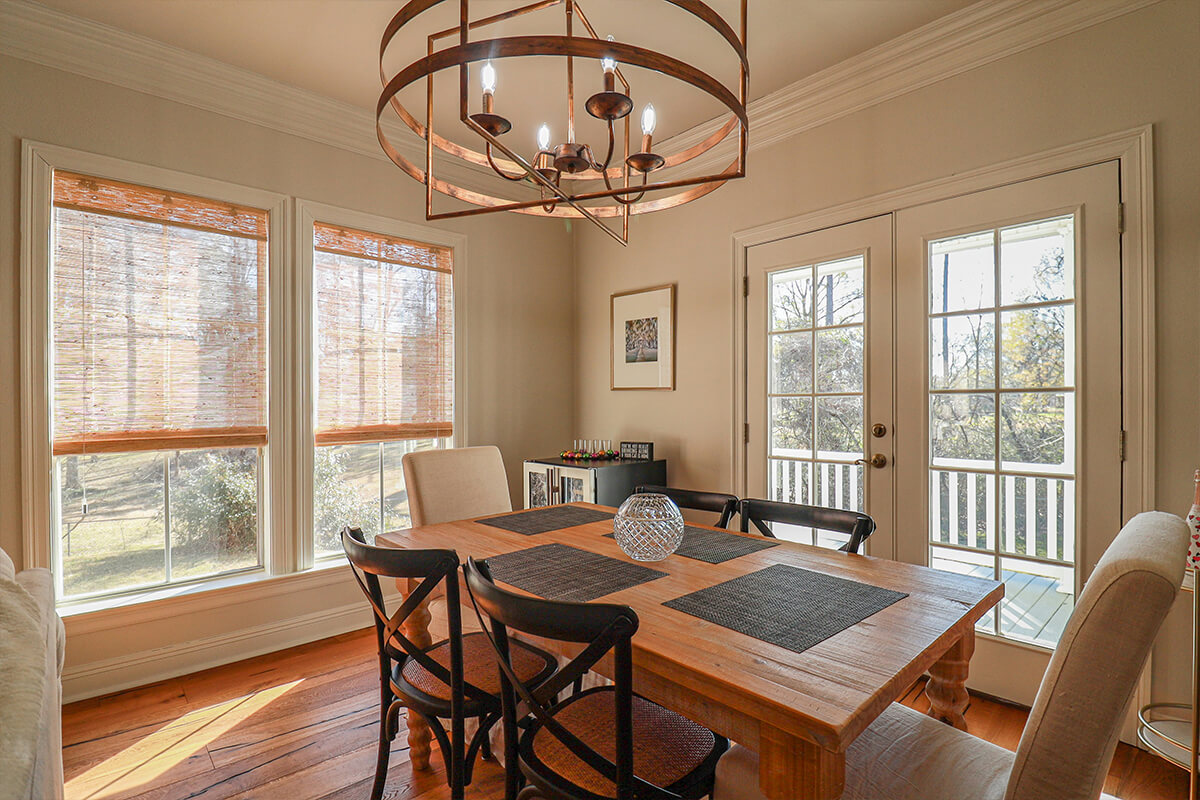
One of the biggest advantages of millwork is that it makes a room feel intentional. Even simple spaces can feel more refined when they include well-designed trim, wall details, or ceiling elements.
This happens because millwork adds depth and definition. It breaks up large flat surfaces, creates shadow lines, and gives the eye something to follow. A room with plain drywall can feel unfinished, while the same room with clean casing, baseboards, or paneling often feels complete.
A good place to start is with the transitions in a room. Look at the areas around doors, windows, ceilings, and floors. If those spaces feel bare, millwork can help tie everything together. A few easy examples include:
- Taller baseboards for a stronger architectural look
- Window and door casing that frames openings more clearly
- Wall paneling to make a dining room, office, or entry feel more defined
- Crown moulding to soften the connection between wall and ceiling
The goal is not to add detail everywhere. It is to make the room feel considered.
2. A Better Fit for Your Space
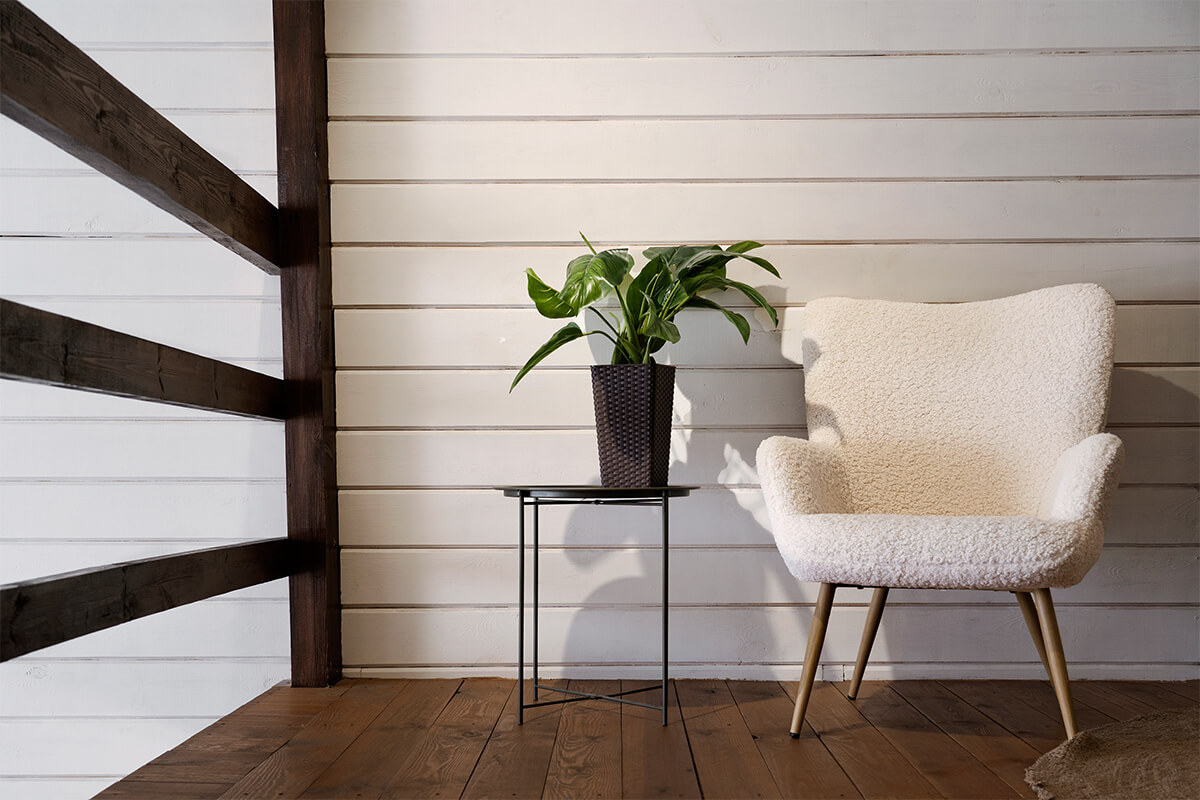
One reason custom millwork stands out is that it is made for the home instead of adapted to it. Off-the-shelf pieces can work in some rooms, but they often leave awkward gaps, wasted corners, or proportions that do not feel quite right.
Millwork allows you to work with the actual dimensions of the room. That is especially helpful in homes with unusual layouts, older architecture, or spaces that need to do more than one job.
For example, a built-in bench under a window can turn an empty wall into useful seating. A wall of shelving can make a family room feel more organized without taking up extra floor space. A custom ceiling treatment can help define one area within an open-concept layout.
This is where millwork becomes more than decoration. It solves problems while improving the design. A helpful rule is to look for underused spaces such as:
- Alcoves
- Long blank walls
- Corners that collect clutter
- Areas under stairs
- Shallow walls where freestanding furniture feels bulky
When millwork is sized and designed for the room, the result feels natural instead of added on later.
3. More Impact Than Furniture
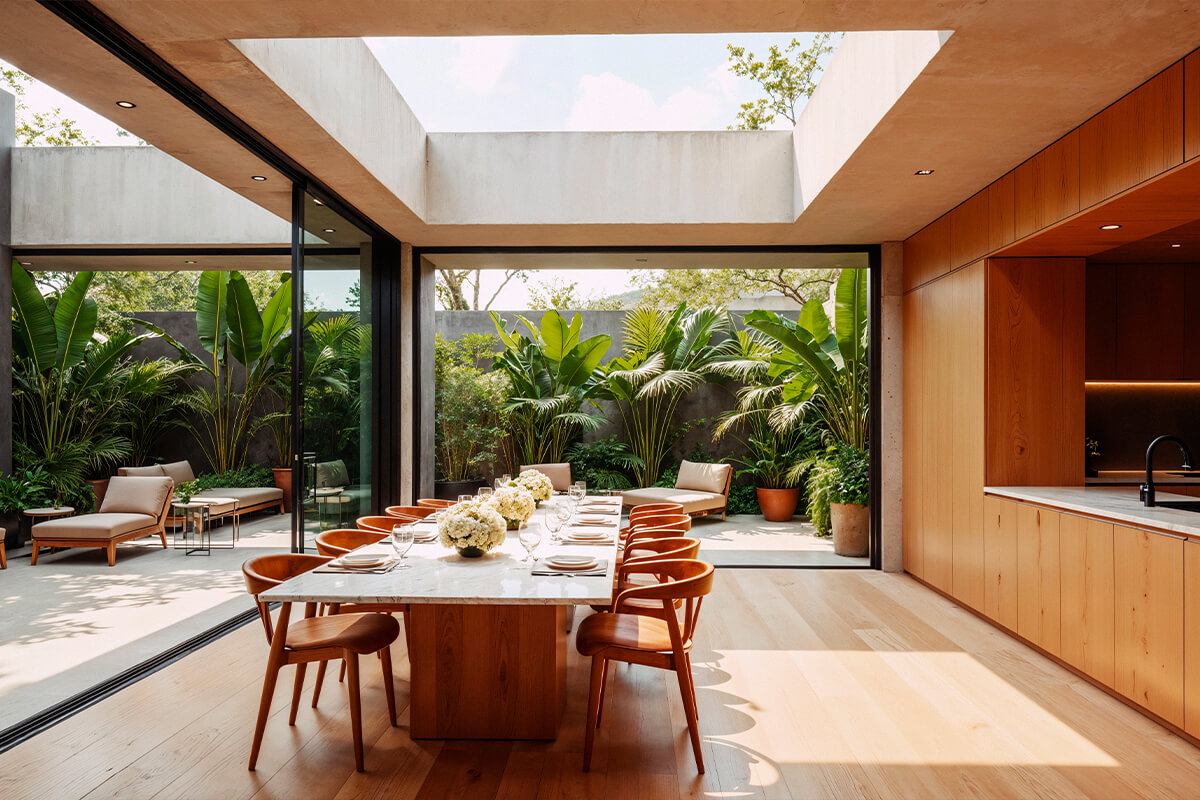
Furniture can bring comfort and style into a home, but millwork changes the structure of the room itself. That is why it often creates a stronger and longer-lasting impression.
A wood floor, for example, does more than fill the room. It influences the tone of the entire interior. A wide plank floor can make a space feel calmer and more open. A patterned floor can make it feel richer and more detailed. The same is true for wall paneling, beams, built-ins, and ceilings. These are the features that shape the room before any furniture is even placed inside it.
If you want a room to feel more memorable, millwork often does more than another chair, table, or accessory ever could.
This does not mean every room needs a dramatic feature. Sometimes one strong element is enough:
- A paneled wall behind the bed
- A coffered or wood ceiling in the living room
- Built-in shelving around a fireplace
- A herringbone or wide plank wood floor in a main gathering area
A good approach is to decide where you want the eye to land first. Then use millwork to support that focal point.
4. Long Term Value
Millwork is one of the few interior upgrades that can offer both daily enjoyment and long-term value. Homeowners tend to notice the beauty right away, but the staying power is just as important.
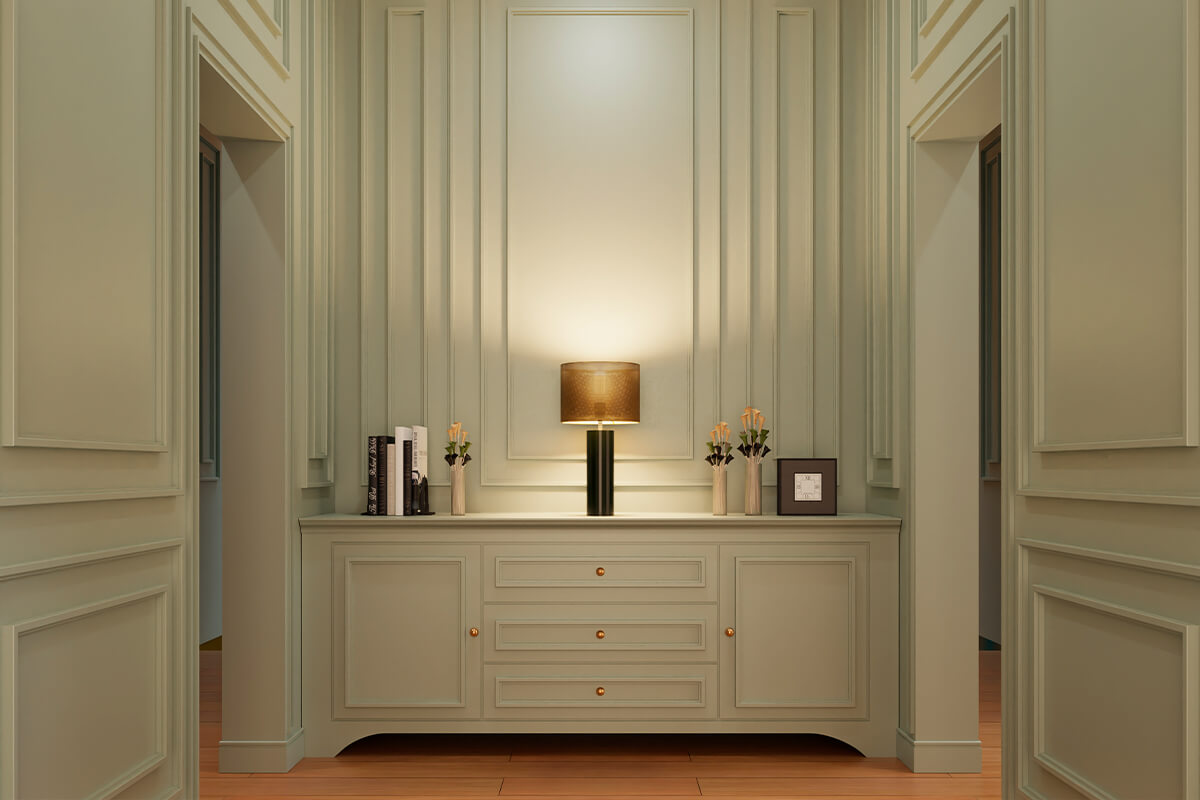
High-quality millwork does not go out of style as quickly as many decorative trends. Well-proportioned trim, strong built-ins, real wood details, and thoughtful paneling tend to age well because they feel architectural rather than temporary.
That makes millwork a smart choice for homeowners who want improvements that will still feel right years from now.
It can also make a home more attractive to future buyers. People notice when a home feels more custom, more cohesive, and better cared for. Built-in details often communicate quality in a way that is easy to feel, even if someone cannot immediately name what is different.
To get the best long-term value, focus on features that are:
- Useful every day
- Consistent with the home’s style
- Made with durable materials
- Installed with clean proportions and good finishing
The best millwork does not feel trendy. It feels like it belongs.
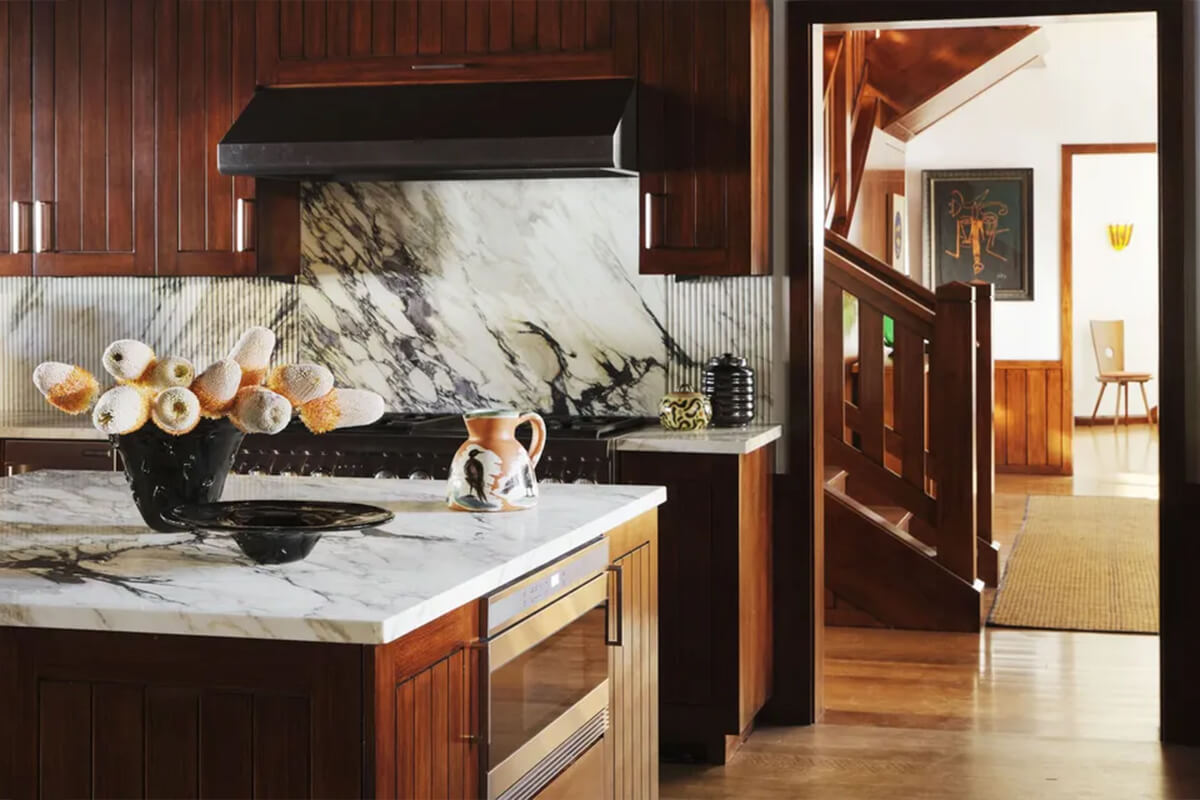
5. Beauty That Works Harder
The most successful millwork is not only beautiful. It also makes the home easier to live in.
That might mean adding storage where there was none. It might mean creating more visual order in a busy room. It might mean helping an open floor plan feel more structured. Good millwork has a practical side, and that is part of what makes it so valuable.
Built-ins are a great example. They can reduce clutter, improve organization, and make better use of wall space, all while looking more integrated than freestanding pieces. The same idea applies to mudroom storage, media walls, custom shelving, bench seating, or cabinetry designed around how the household actually functions.
Before adding millwork, it helps to ask a few simple questions:
- What does this room need more of?
- Where does clutter build up?
- What feels unfinished or disconnected?
- What feature would improve the room every day, not just visually?
When beauty and function work together, millwork becomes much more than a design upgrade.
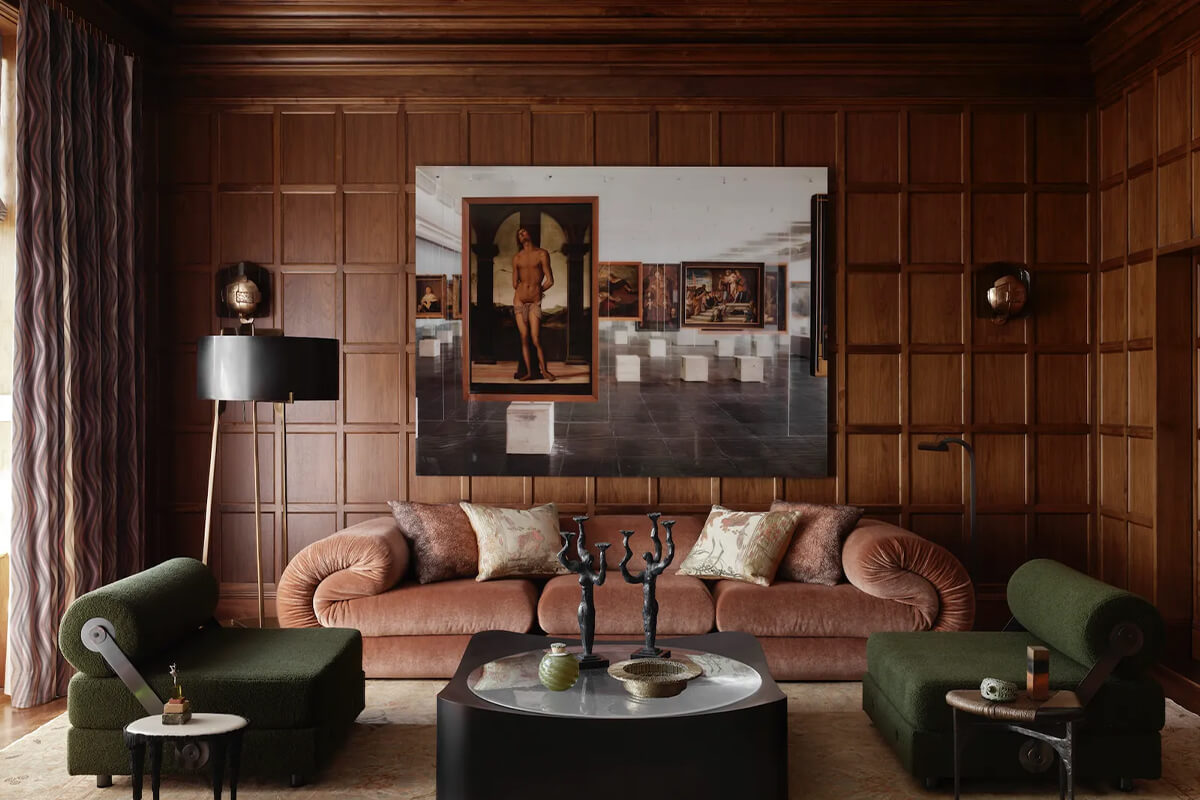
Why More Homeowners Are Turning to Millwork
More homeowners are looking for ways to make their interiors feel more personal, more architectural, and less builder-grade. That is one reason millwork is getting more attention. It adds character, depth, and function in a way that furniture often cannot.
It also works across a wide range of home styles. Some homeowners want to preserve traditional details or make an older home feel more intentional. Others want to warm up newer spaces with wood features that feel custom, grounded, and timeless. In both cases, millwork helps bring style and function together.
Another reason for its growing appeal is visibility. Homeowners are seeing more examples of how millwork can transform a space, from paneled studies and wood ceilings to built-ins, custom flooring, and statement wall details. These features do more than fill a room. They shape how the home feels day to day.

Furniture fills a room but millwork shapes it
Millwork has a unique ability to make a home feel more complete. It adds detail, warmth, structure, and function in a way that paint and furniture alone usually cannot. It can help small spaces work harder, make plain rooms feel more finished, and bring lasting character into the home.
The best part is that millwork does not have to mean doing everything at once. Even one thoughtful addition can change the feel of a room. The key is to choose features that fit the space, support daily life, and add something the home is missing.
When done well, millwork does not just decorate a room. It improves the way the room looks, feels, and works.