
7 Best Woods for Pet-Friendly
Furniture and Millwork
Living with pets is real life: zoomies, wet paws, claws on corners, and a steady layer of fur that shows up five minutes after you clean. The good news is you can design a home with beautiful wood furniture and custom millwork without treating every scratch like a personal tragedy, so here are the best woods for pet-friendly furniture and millwork you can choose for your house.
The secret is choosing woods (and finishes) that match how pets actually live in a space , then adding a few smart design details that protect your investment while keeping your interiors elevated.
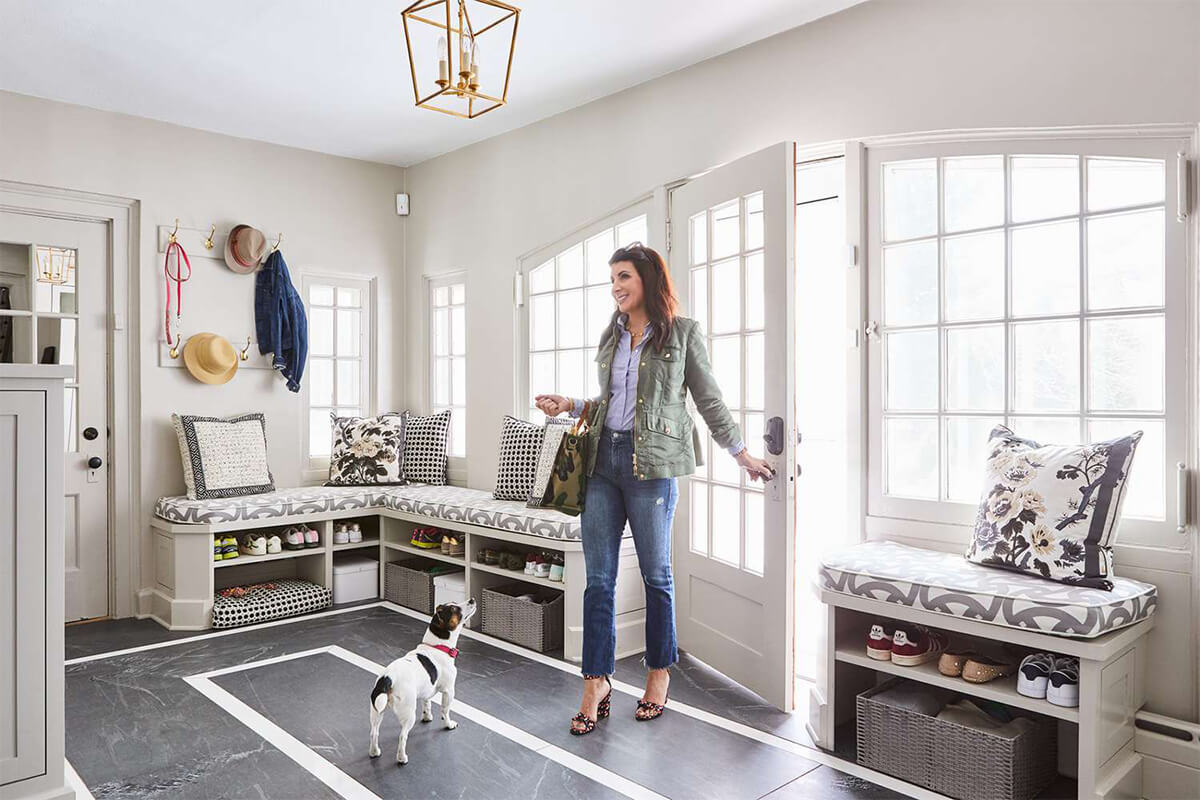
Designing for pets without sacrificing style
Pet-friendly doesn’t mean “utilitarian.” It means you pick materials that are:
- Hard enough to resist dents and claw marks
- Grain-forward enough to hide wear
- Finish-friendly so you can clean, touch up, and move on with your life
- Low-sheen so scratches don’t scream under sunlight
If you love a sleek look, you can still have it. You’ll just want to avoid ultra-high gloss wood finishes and overly delicate species in high-contact zones (baseboards, stair parts, cabinet faces, window seats, built-ins at “tail height,” etc.).
Why pets damage wood?
Scratches
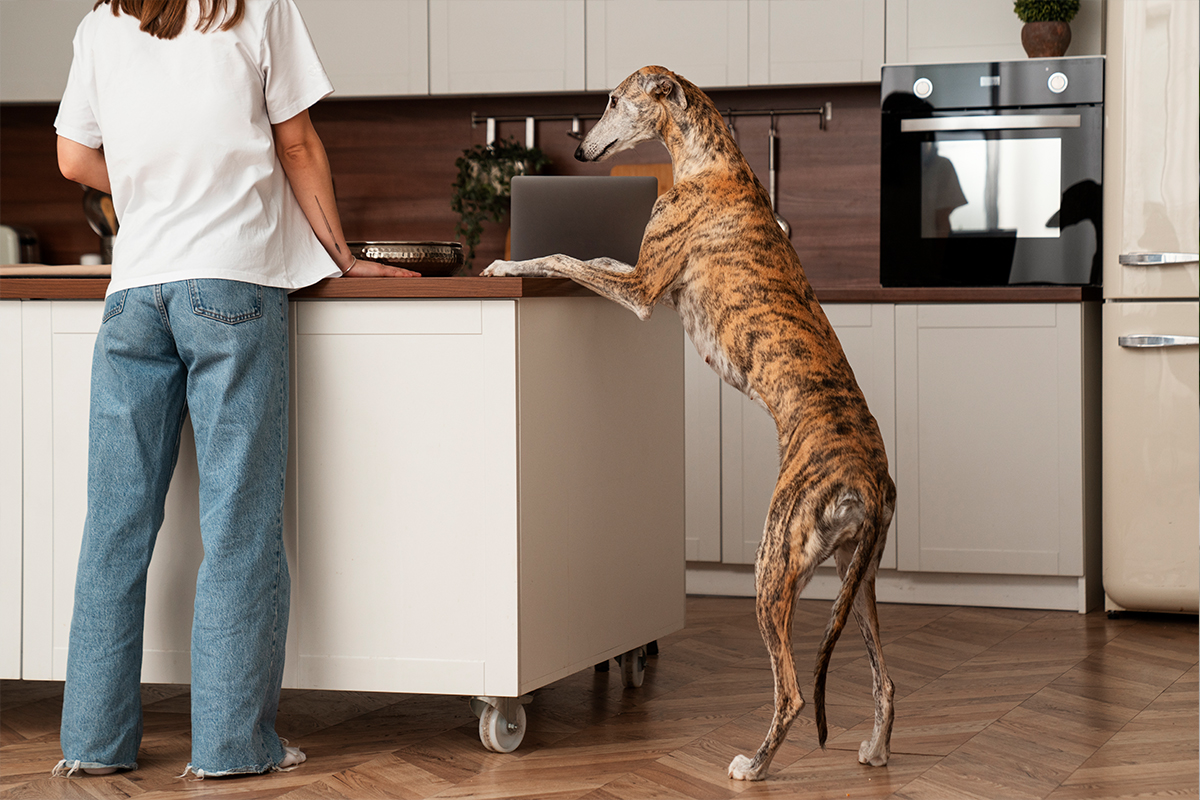
Scratches usually come from two different patterns: dogs tend to create nail scuffs from everyday movement and sudden stops (those quick pivots and zoomies), while cats are more likely to cause damage through repeated scratching in the same spot with sharper claws.
Dents
Dents are most common in homes with larger dogs, where weight and momentum can create impact marks, especially on softer wood species.
Moisture, stains, and discoloration
Typically show up around real-life “pet zones,” like water bowl splash areas, wet paws after coming inside, or even drool, and when accidents happen, urine can react with compounds in the wood and lead to dark staining if it isn’t cleaned up quickly.
Finish wear
Is often what makes damage look worse than it is: high-gloss finishes highlight every mark, and softer or more brittle finishes can chip at edges and corners (think built-ins, cabinet doors, and other high-touch millwork).
So the best pet-friendly wood choices combine hardness + grain pattern + a repairable, protective finish.
Important tip
If your home has:
- Cats: Prioritize scratch camouflage (visible grain, texture, matte sheen) and offer better scratching alternatives
- Dogs: Prioritize hardness, dent resistance, and moisture protection near entries and feeding stations
- Both: Choose forgiving grain, satin/matte finish, and wipeable topcoats
Best woods for pet-friendly furniture and millwork
1) White Oak (the all-around winner)
Why it’s great: White oak is famously durable, and its grain pattern naturally disguises scuffs. It’s a top choice for floors, cabinetry, doors, trim, and built-ins in pet homes.
Best for: Dogs and cats, high-traffic spaces, visible built-ins
Design tip: Choose a satin or matte finish and consider a brushed texture to hide micro-scratches even more.
2) Hard Maple (smooth, strong, and modern-friendly)
Hard maple is dense and tough which is excellent for pets, especially if you prefer a cleaner, more minimal look.
Best for: Dog-heavy homes (dent resistance), modern cabinetry
Watch out: Maple’s tighter grain can show scratches more than oak if you go too smooth and too glossy.
Best move: Keep sheen low and consider subtle texture or a softly toned stain.
3) Hickory (maximum toughness for heavy wear)
If your home is basically a racetrack, hickory is one of the most resilient domestic species you can choose.
Best for: Big dogs, busy family homes, high-impact floors, durable built-ins
Style note: Hickory has more color variation, great if you like character and movement.
4) Teak (the moisture-resistance superstar)
Teak is naturally oily and known for handling moisture better than many woods, making it a strong option for areas where water and pets overlap.
Best for: Mudroom moments, benches, bathroom-adjacent cabinetry, pieces near doors
Bonus: It ages gracefully and doesn’t look “ruined” when it gets a few character marks.
5) Ash (strong with bold grain that hides life)
Ash offers strength with a grain pattern that helps disguise scratches.
Best for: Pet-friendly cabinetry, trim, furniture pieces that get touched a lot
Design tip: Ash looks amazing with warm stains and satin finishes, very forgiving in real life.
6) Mahogany (classic, stable, and scratch-forgiving with the right finish)
Mahogany isn’t the hardest wood on the list, but it has strong stability and a refined grain that can still perform beautifully in a pet home, especially for vertical millwork and furniture.
Best for: Doors, wall paneling, built-ins, trim where impact is lower
Make it pet-friendly: Avoid high gloss. Use a durable topcoat and choose a medium tone to hide wear.
7) Walnut (luxury look)
Walnut is gorgeous, but it’s typically softer than the top performers here. That doesn’t mean “no walnut,” it means smart walnut.
Best for: Feature pieces, higher-up cabinetry, office built-ins, areas away from daily claw contact
Pro move: Use walnut where it’s admired, not attacked, then pair it with more durable woods in high-contact zones.
The best wood is the one that fits your pet life
At the end of the day, the best wood choice isn’t just the hardest or the most expensive,it’s the one that matches how your home actually works with pets.
If you want the safest, most forgiving option overall, white oak paired with a durable satin or matte finish and a subtle texture is tough to beat. It wears beautifully over time, hides everyday scuffs better than most species, and still delivers that elevated, timeless look.
Ready to design pet-friendly interiors that still feel high-end?
If you’re planning custom millwork, built-ins, cabinetry, doors, or wood detailing and want it to look incredible while standing up to real life with dogs or cats, Scobis can help. We’ll guide you through the best wood species, textures, and finish systems for your home so your space feels refined, functional, and built to last.
Leave your contact info through our website contact form or call our team, and we’ll help you start designing a pet-friendly interior that doesn’t compromise on craftsmanship or design.