
Why Door Refinishing in St. Louis Is the Smarter Investment?
Your front door is the first thing people see when they approach your home and in St. Louis, where winters are harsh, summers are humid, and temperature swings are significant, that door takes a beating year-round. It’s important to know if door refinishing in St. Louis is the best option due to the harsh weather.
If you’ve noticed the finish fading, the wood looking dull, or the color losing its richness, you’re probably wondering: should I refinish it or just replace it? The answer, in most cases, is refinish. And here’s why.
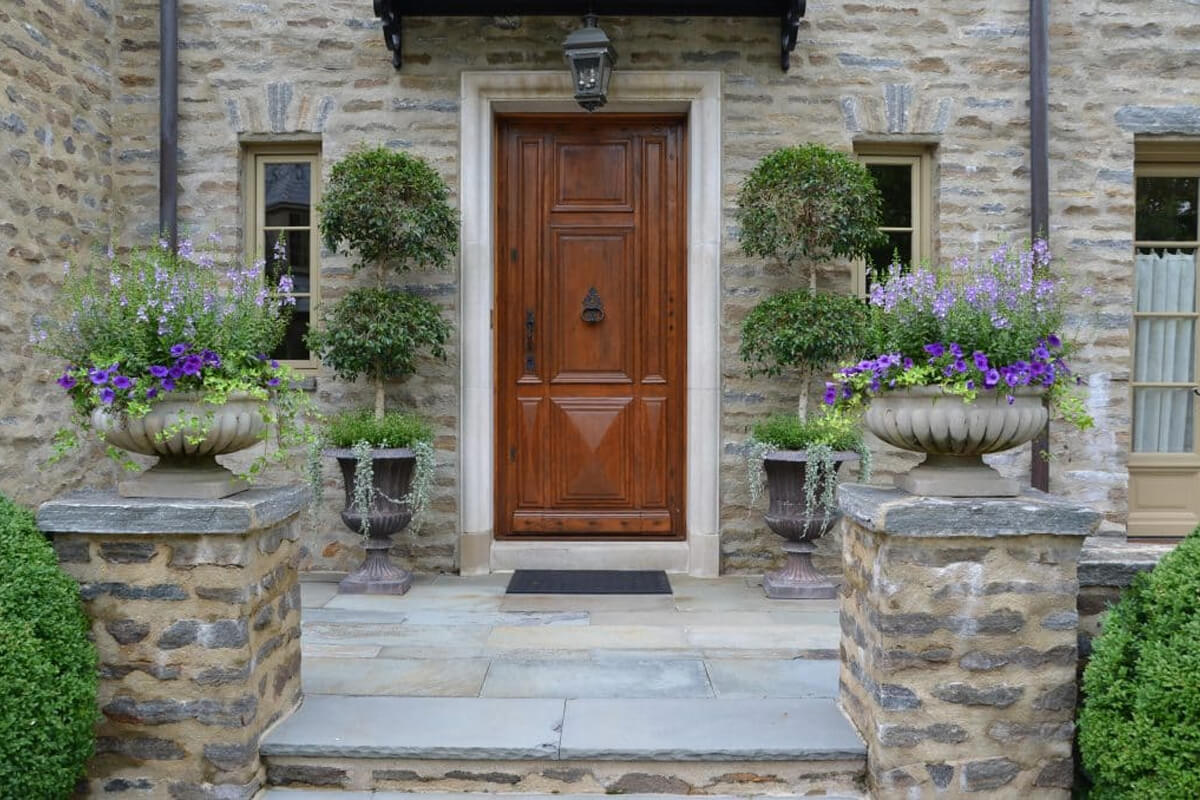
What is door refinishing?
Door refinishing is the process of stripping the old, deteriorated finish from a wood door and applying fresh stain, paint, or protective topcoat to restore its beauty and protection. It’s not a paint-over, it’s a full restoration that starts with bare wood. A proper refinish typically includes:
- Stripping or sanding the existing finish down to bare wood
- Repairing minor surface damage
- Applying a new stain or color coat
- Sealing with multiple layers of UV-resistant, weather-protective topcoat
When done correctly, a refinished door looks as good, sometimes better, than the day it was installed.
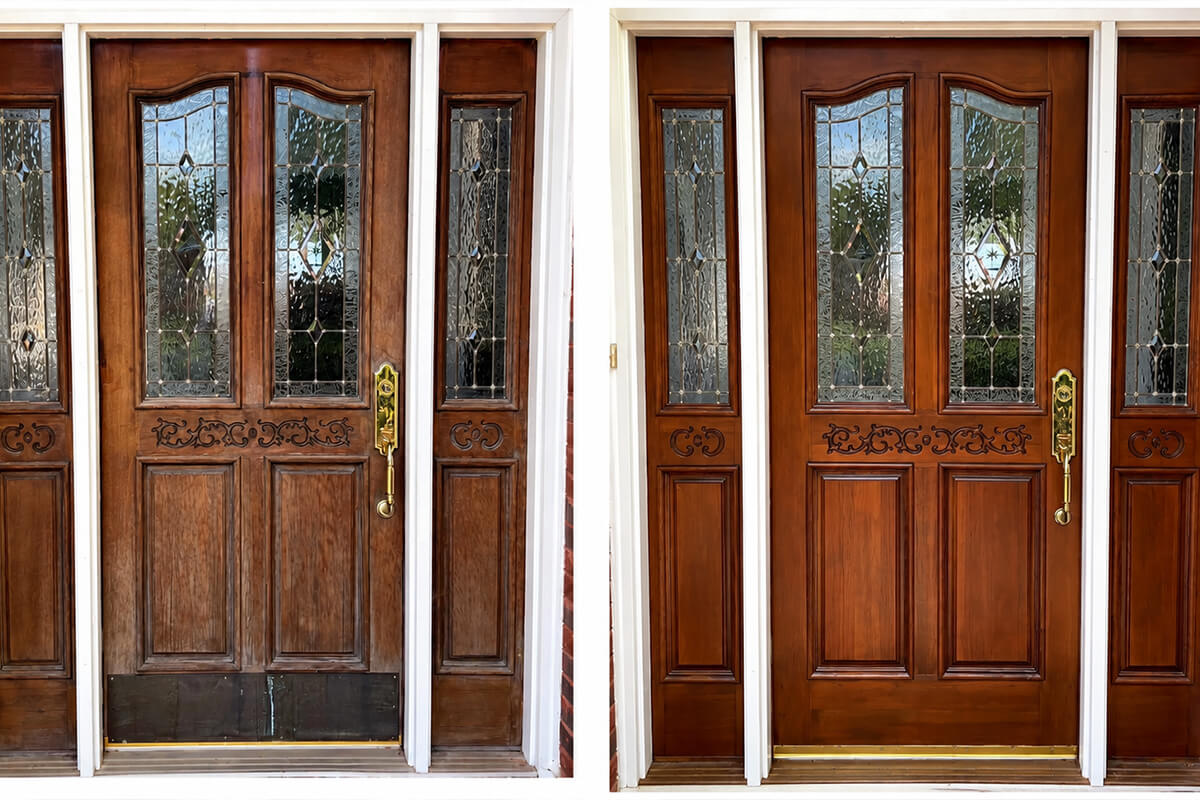
5 signs your exterior door needs refinishing
Not sure if it’s time? Here are the clearest signals:
1. Fading or uneven color: If your door looks washed out or patchy, especially on the side that gets direct sun, the protective finish has broken down and UV damage is setting in.
2. Cracking or peeling finish: Once the topcoat starts cracking, moisture can work its way into the wood. Catching this early saves you from a much bigger problem.
3. Rough or sticky surface: A door that once felt smooth but now feels gritty or tacky means the finish has deteriorated and is no longer protecting the wood properly.
4. Water soaking in instead of beading: Do a quick test and sprinkle a few drops of water on the surface. If they soak in rather than bead up, the protective barrier is gone.
5. Graying wood or dark stains around hardware: These are signs that moisture has already penetrated. Address it now before it becomes rot.
The earlier you act, the simpler and less expensive the refinishing process will be.
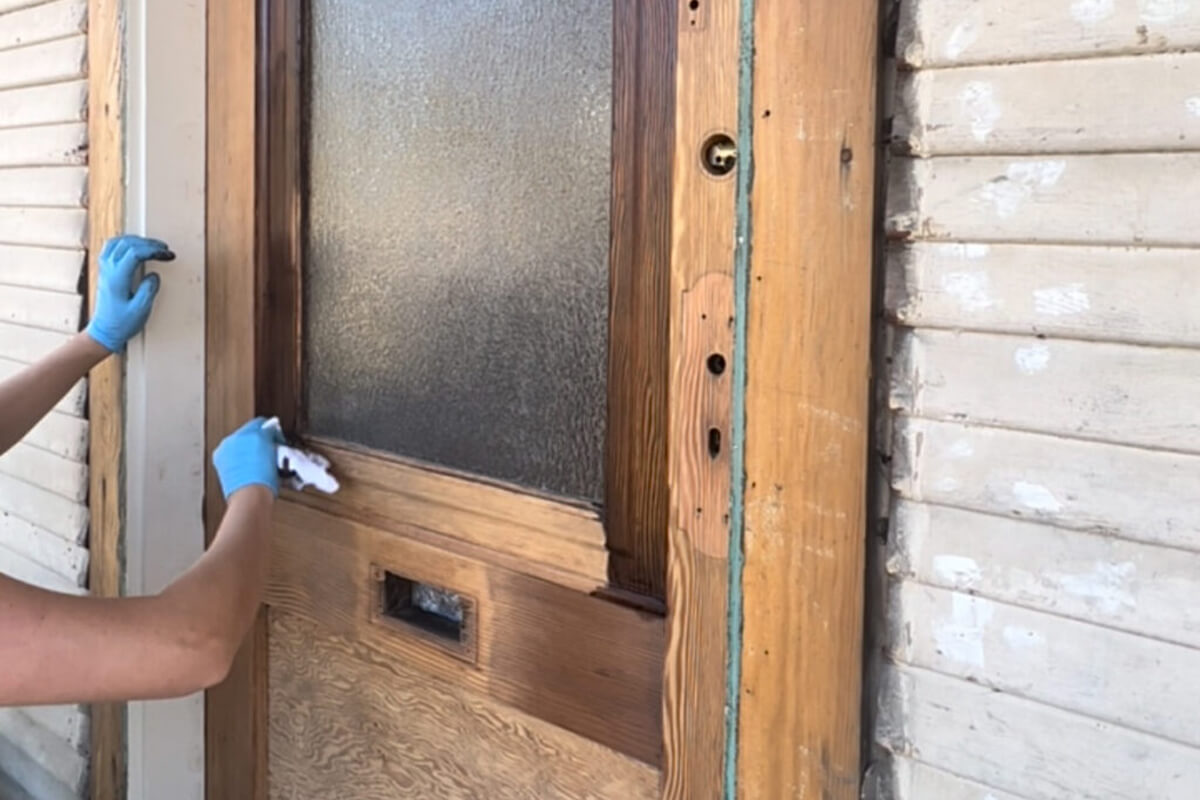
When to refinish or replace a wood door?
This is the question most St. Louis homeowners wrestle with, and it comes down to the condition of the wood, not just how it looks.
Refinish when:
- The wood is structurally sound (no soft spots, rot, or delamination)
- The door has character or craftsmanship worth preserving
- Fading, cracking, or surface wear are the primary issues
- You want to update the color without the cost of replacement
Replace when:
- There is active rot or significant wood deterioration
- The door is warped and no longer seals properly
- The damage has compromised the structural integrity of the frame or rails
In most cases, refinishing is the right call. Professional refinishing typically costs a fraction of that, while preserving the character and craftsmanship your home already has.
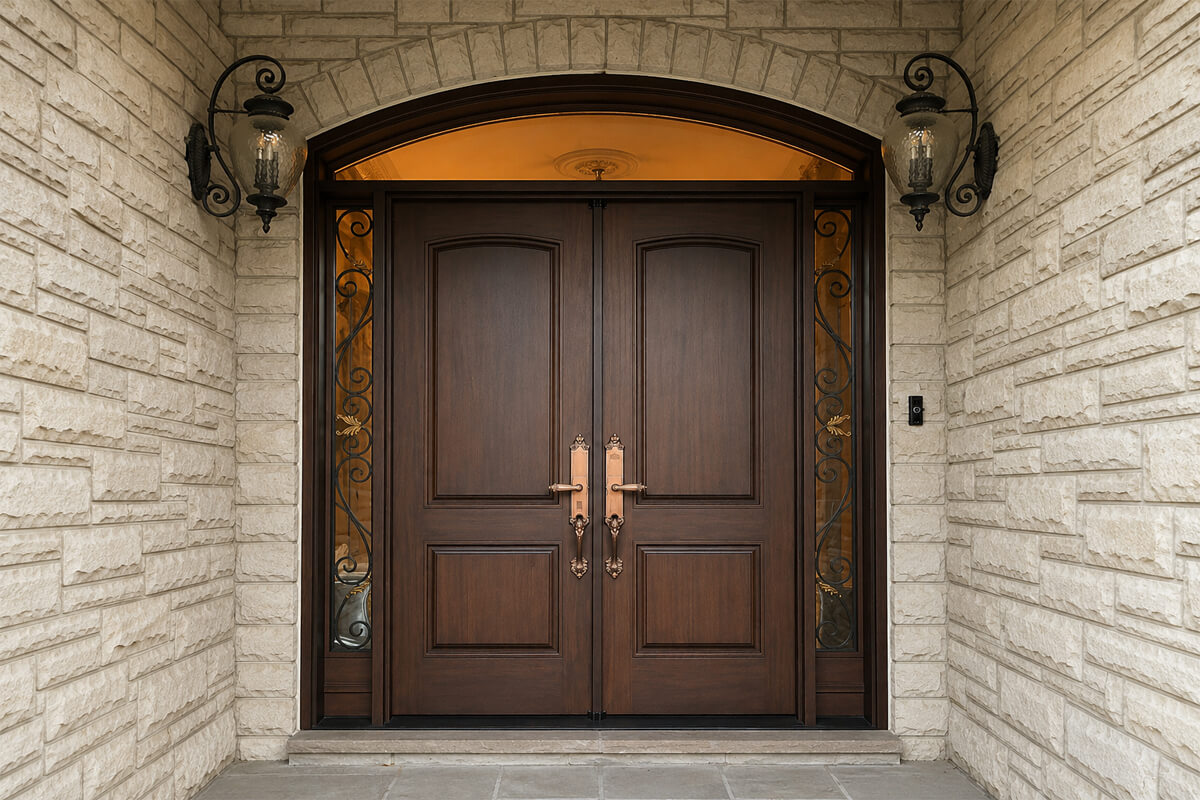
How door refinishing works? (Step by Step)
Whether you hire a professional or tackle it yourself, here’s what the process looks like:
Step 1: Preparation
Hardware is removed and the door is prepped. Ideally, the door is removed from its hinges for easier access, though experienced professionals can also work with the door in place.
Step 2: Stripping the old finish
A chemical stripper or orbital sander removes the existing finish down to bare wood. This is the most labor-intensive part and where most DIY projects run into trouble — skipping grit steps or over-stripping can damage the wood.
Step 3: Sanding
A multi-grit progression (typically 80, 120, 150, and 220 grit) creates a clean, smooth surface. Edges, panels, and carved details require hand sanding to preserve their shape.
Step 4: Pre-stain conditioning
A conditioner is applied to help the wood absorb stain evenly — especially important for species like maple or pine that tend to blotch.
Step 5: Staining
The new color is applied following the wood grain. Gel stains are popular for vertical surfaces because they don’t drip and provide excellent coverage. A test patch in an inconspicuous area is always recommended before committing to the full door.
Step 6: Topcoat application
At least 3 coats of UV-resistant exterior urethane, varnish, or spar finish are applied. Each coat is lightly sanded before the next to ensure proper adhesion and a smooth result.
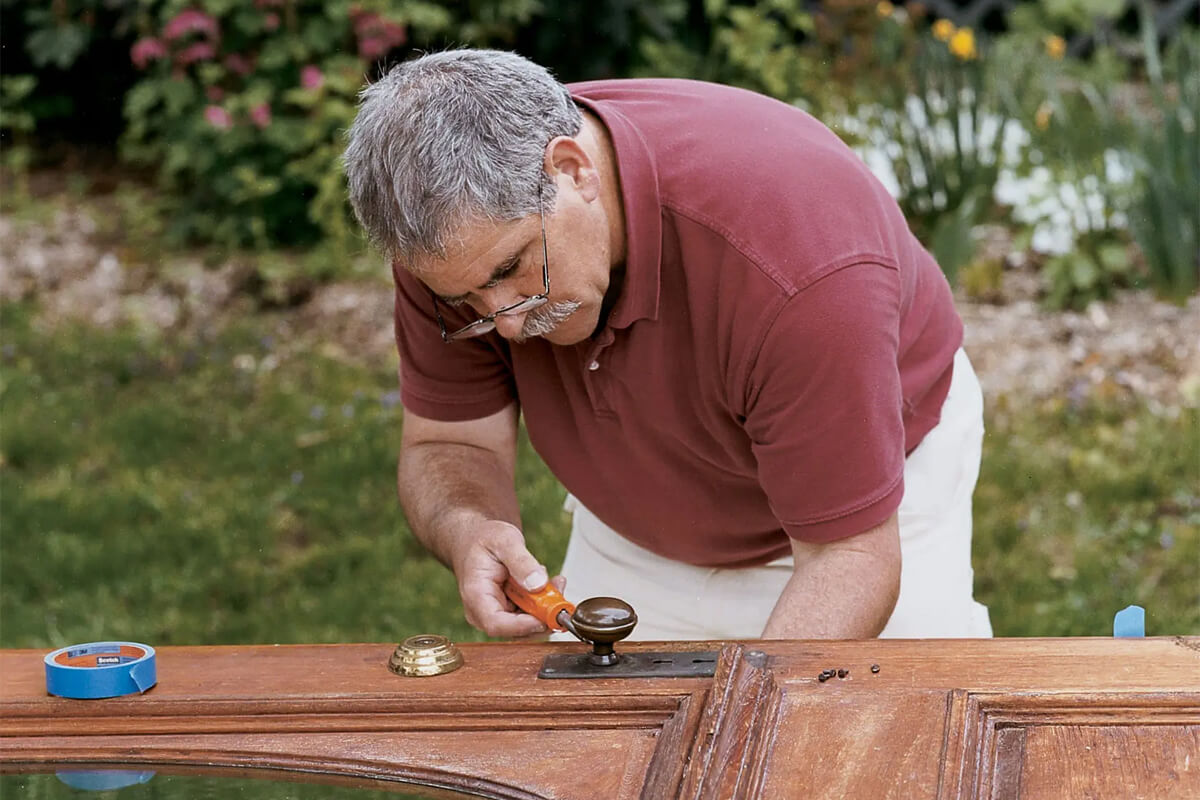
DIY or hire a professional to refinish your door?
DIY refinishing is possible, but exterior doors demand more precision than most homeowners expect. Here’s what separates a professional result from a frustrating weekend project:
St. Louis climate expertise:
Humidity in summer, freeze-thaw cycles in winter, and intense UV exposure all affect which products perform and which fail. A professional knows how to select finishes that hold up specifically in the Midwest.
Proper prep:
The most common DIY mistake is rushing the sanding phase. Swirl marks and uneven surfaces telegraph straight through a clear topcoat. Professionals use moisture meters, HEPA dust collection, and calibrated multi-grit progressions to get it right.
Commercial-grade products:
Professional-grade stains, toners, and topcoats aren’t available at your local hardware store. They cure faster, bond stronger, and last significantly longer.
Same-day completion:
What might take a homeowner three weekends can typically be completed by a professional team in a single day with the door reinstalled and fully functional by the time they leave.
Warranty:
Professional refinishing services come with guarantees. DIY doesn’t.
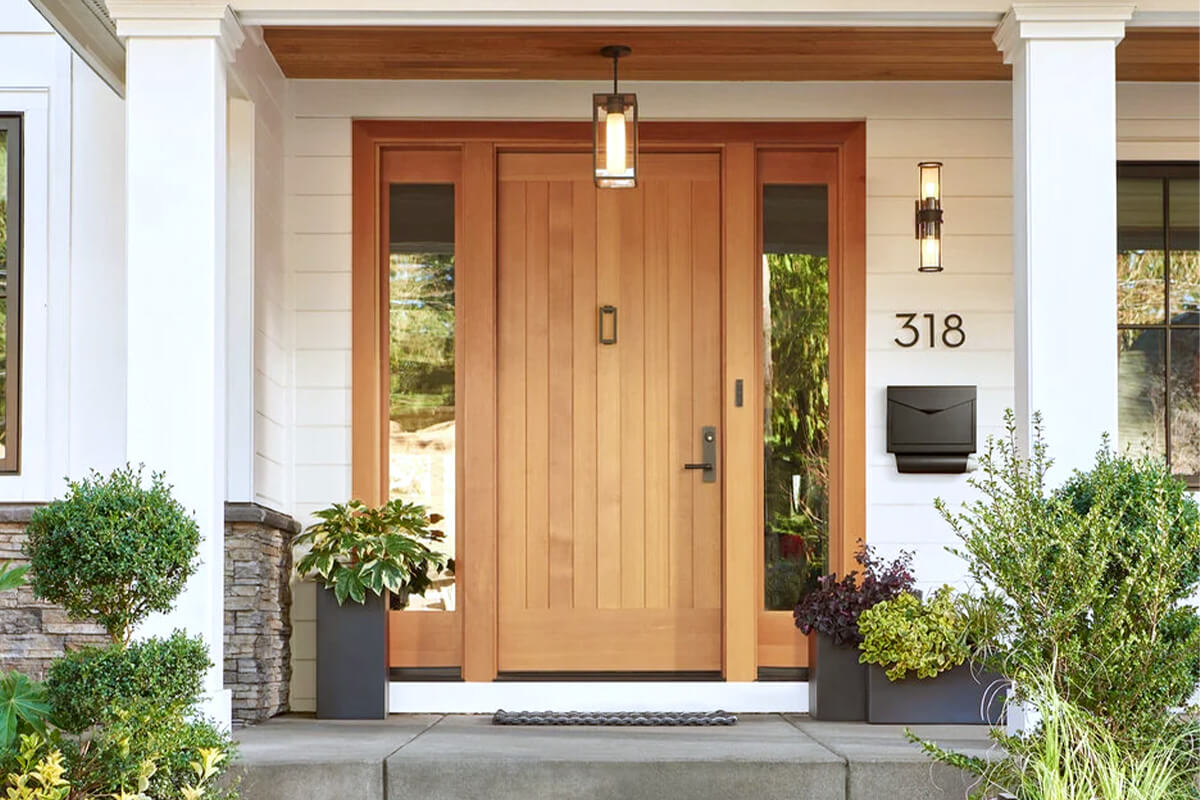
How to maintain your refinished door?
A well-done refinish can last 5–7 years with proper care. Here’s how to protect that investment:
- Monthly: Wipe down with mild soap and water; avoid harsh chemical cleaners.
- Every 6 months: Inspect sun-facing panels for early signs of gloss loss or finish breakdown.
- Every 1–2 years: Apply a maintenance topcoat, a light scuff-sand and fresh clear coat can extend the life of your finish without a full strip.
- As needed: Touch up chips or scratches immediately to prevent moisture from getting under the film.
Doors with awnings or covered porches last considerably longer because they’re shielded from direct UV and rain.
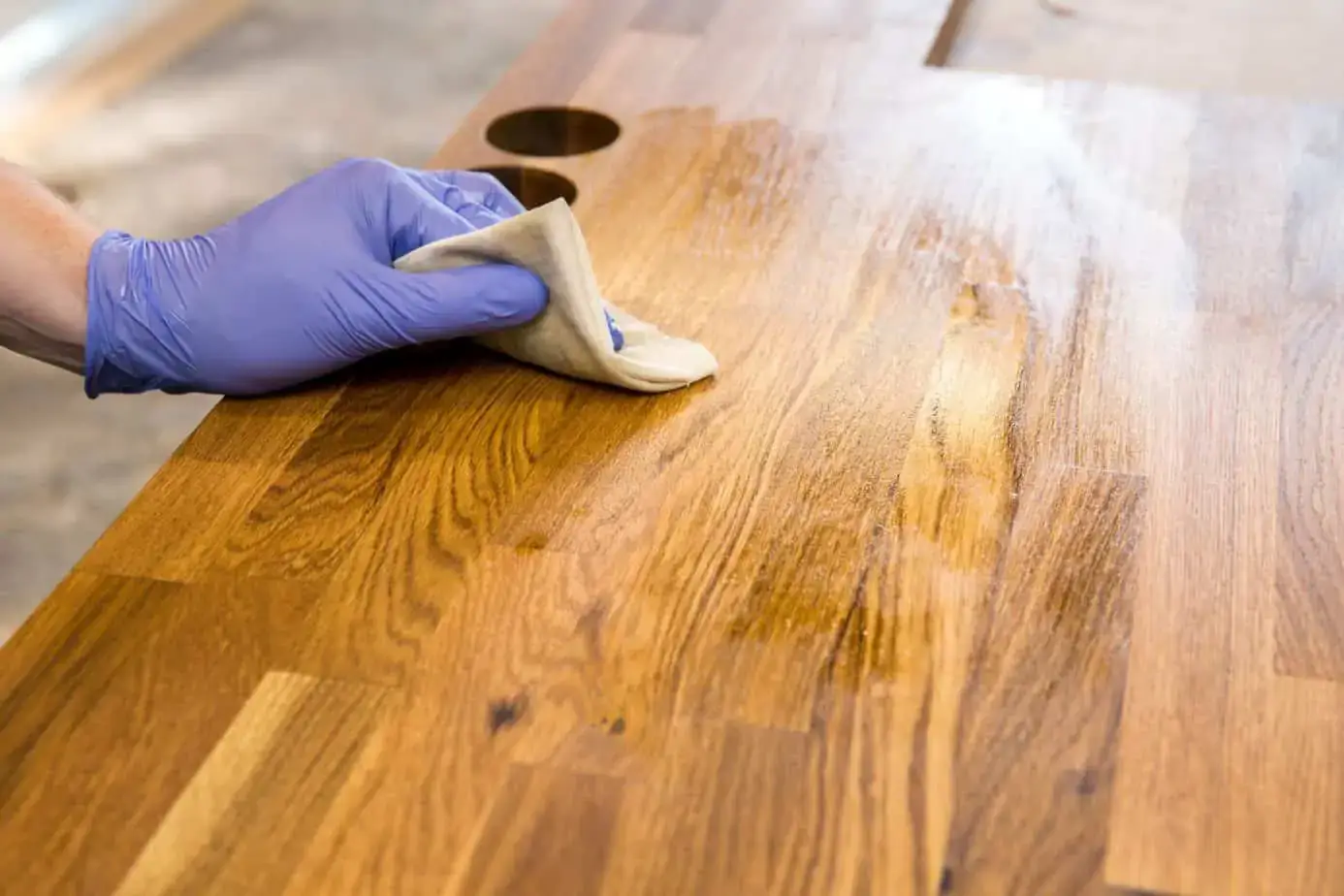
What's your best option?
Your front door works hard and in St. Louis, it faces real seasonal extremes. Refinishing is not just a cosmetic upgrade. It’s structural protection, curb appeal, and a smart financial decision all in one.
For most homes, refinishing costs a fraction of replacement while delivering results that look just as good, sometimes better, than a brand-new door. The key is acting before the damage goes too deep, and choosing a professional who understands both the craft and the climate.
If your door is showing any of the signs above, now is the right time to act.