
How Much Does Custom Millwork Cost in the Midwest?
If you’re planning a custom millwork project, whether that’s built-in cabinetry, architectural trim, a statement entry door, or a full kitchen renovation, one of the first questions you’ll ask is: what is this actually going to cost?
It’s a fair question, and one that deserves a straight answer. The ranges we share in this guide are based on real industry data and our experience working with homeowners, architects, and builders across Missouri, Illinois, Kansas, and the broader Midwest. That said, these are estimates, not quotes. Every project is different, and your actual cost will depend on scope, materials, complexity, and site conditions. Think of this as a framework to help you plan, not a final number.
One more thing worth noting: Midwest markets such as St. Louis, Kansas City, Chicago suburbs, Indianapolis, tend to have more competitive labor costs than coastal metros like New York or San Francisco. That’s a meaningful difference when you’re comparing numbers you see online to what you’ll actually pay here.
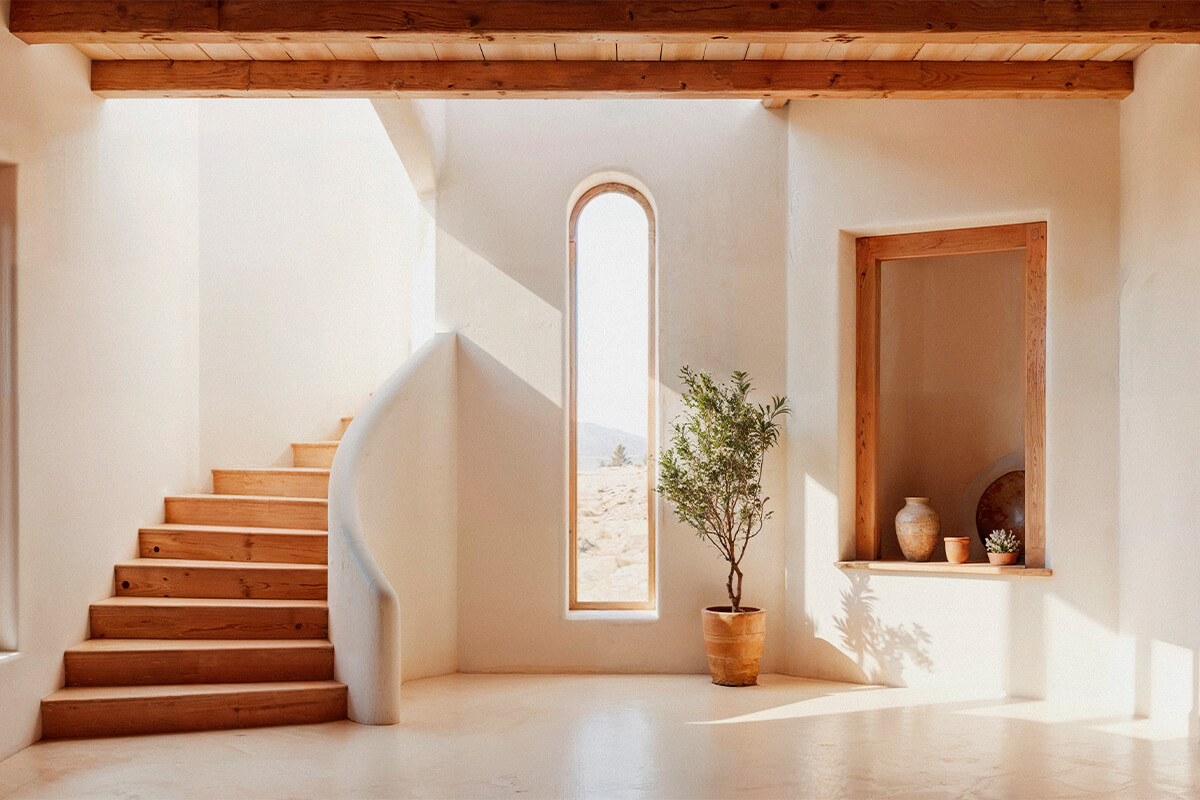
What Drives the Price of Custom Millwork?
Before we get into numbers, it helps to understand what you’re actually paying for. Custom millwork isn’t a commodity, every piece is designed, fabricated, and installed for your specific space. That means pricing varies based on several key factors.
Material Selection
Wood species is one of the biggest levers on your total cost. MDF and softwoods like pine are the most budget-friendly and work beautifully for painted finishes. Mid-range hardwoods like red oak, maple, ash and alder, add durability and richer character. Premium species like walnut, white oak, cherry, or mahogany can increase material costs by 30–60% or more, but they deliver a finish that’s genuinely hard to replicate.
Beyond wood species, your choices around finishes, hardware, and specialty elements (glass inserts, integrated lighting, soft-close mechanisms) all layer into the final number.
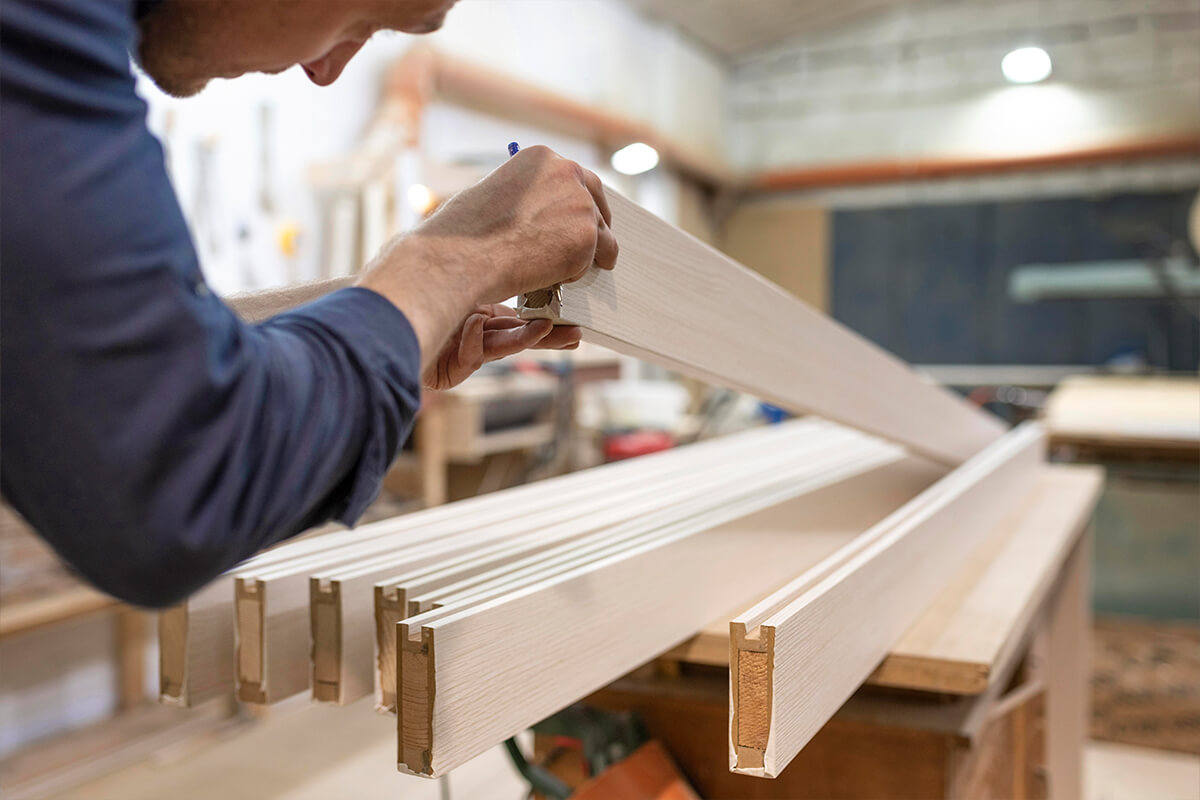
Desing Complexity
A clean, flat-panel built-in is less labor-intensive than a piece with curved profiles, arched details, intricate molding layers, or integrated cabinetry with custom organizers.
Complexity directly affects fabrication time, and fabrication time is a significant driver of cost. If you’re drawn to more architectural or ornate designs, which is where millwork really shines, plan for that in your budget.
Project Scale
Custom millwork is typically priced by linear foot for cabinetry and built-ins, or by square foot for wall paneling and trim systems. Larger projects generally bring a better per-unit cost, but total investment grows with scope. A single accent wall is very different from a full kitchen plus a home office.
Shop Drawings and Pre-Construction Work
Before fabrication begins, detailed shop drawings are created to ensure everything is built and installed precisely. Depending on project complexity, this design and documentation phase typically runs $500–$2,500 or more. It’s not an optional step, it’s what separates millwork that fits perfectly from millwork that doesn’t.
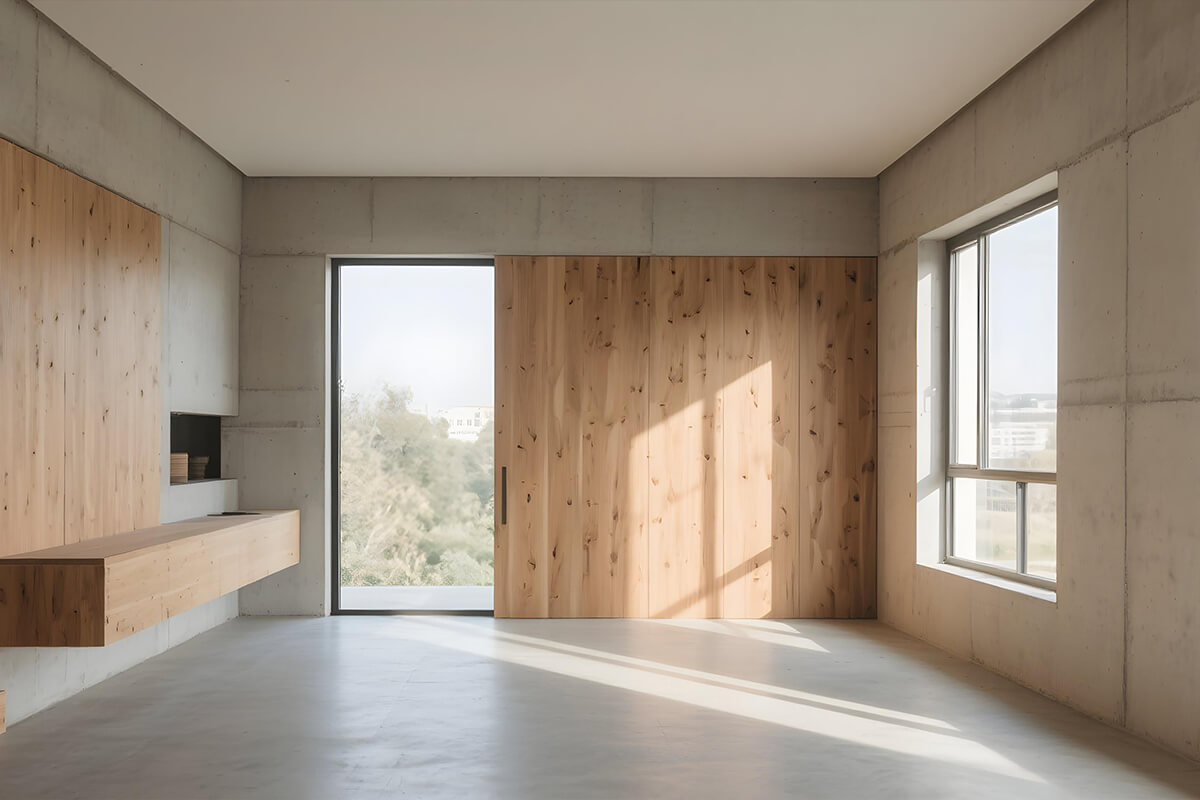
What Custom Millwork Actually Costs in the Midwest
These ranges reflect current market conditions in the Midwest and are meant to give you a realistic starting framework. Costs on the coasts, particularly New York or California, can run 20–40% higher due to labor rates and overhead. Always treat these as ballpark estimates until you have a formal quote in hand.
By Linear Foot (Built-ins, Cabinetry, and Trim Systems)
- Entry-level / painted MDF: 50–00 per linear foot
- Mid-range hardwood (oak, maple, cherry): $600–$1,100 per linear foot
- Premium / complex millwork (walnut, white oak, custom profiles): $1,100–$1,800+ per linear foot
These figures include materials, fabrication, finishing, and standard installation. Add-ons like integrated lighting, specialty glass, or custom hardware are priced separately.
By Linear Foot (Built-ins, Cabinetry, and Trim Systems)
- Small feature (floating shelves, accent built-in, entry millwork): $3,000–$9,000
- Mid-size project (bedroom built-ins, home office cabinetry, media wall): $9,000–$28,000
- Full kitchen cabinetry (custom, not semi-custom): $18,000–$55,000+
- Large whole-room or multi-room installation: $40,000–$100,000+
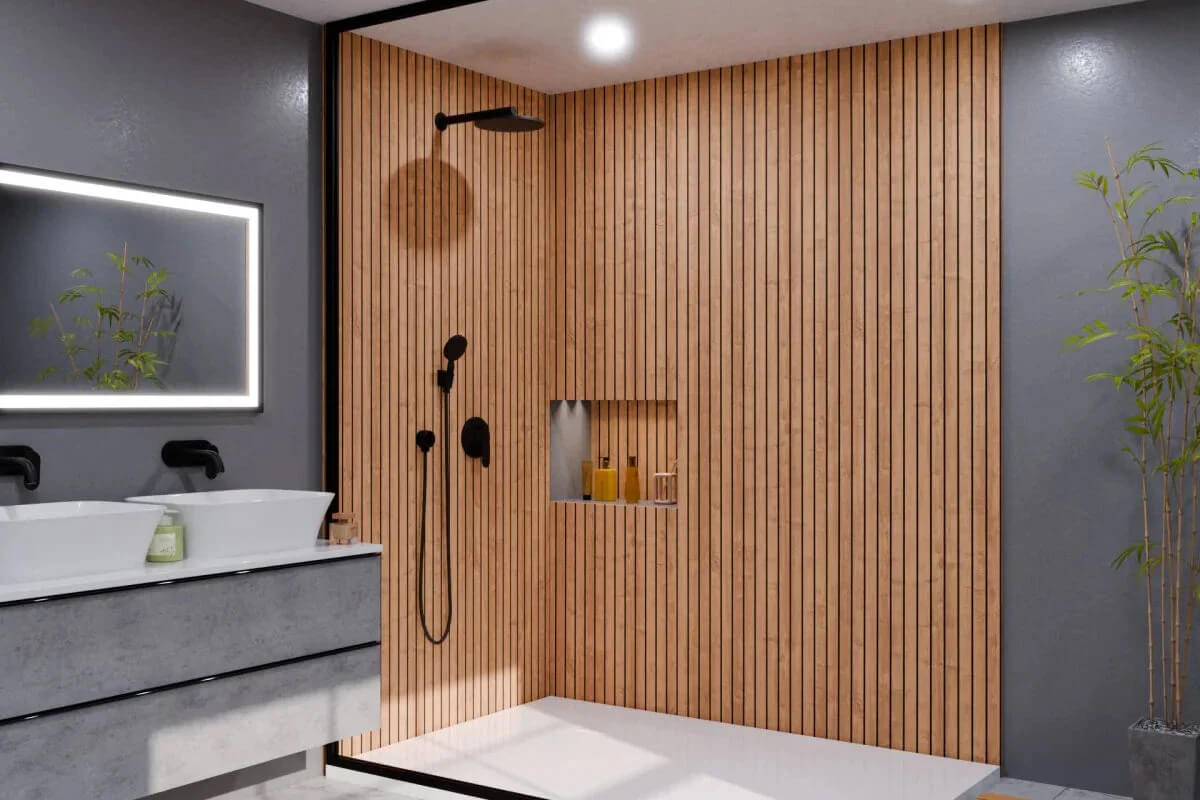
How to Budget Smarter for Your Millwork Project
Custom millwork is a craft-intensive investment and like any serious investment, a little planning up front goes a long way.
Prioritize the spaces that matter most: Not every room needs premium hardwood and hand-rubbed finishes. Focus your investment where it will be seen and used most like the kitchen, a main living space, or a signature entry. Simplify in secondary areas without sacrificing quality.
Mix materials strategically: You don’t have to go all-in on solid walnut from floor to ceiling. A common approach is using premium species in high-visibility zones like cabinet fronts, feature shelving, a mantel, and more economical materials on structural or hidden components.
Know what the quote includes: When comparing proposals, make sure you’re comparing apples to apples. Ask whether shop drawings, delivery, hardware, and installation are included or billed separately. A lower number that excludes installation isn’t really a lower number.
Build in a contingency: For any custom project, it’s wise to keep 10–15% of your total budget in reserve for unexpected site conditions, design refinements, or upgraded details you’ll want once the project is underway.
Why These Numbers Are Estimates?
We want to be transparent about something: there is no universal price list for custom millwork. By definition, every project is one-of-a-kind. Factors like your home’s existing conditions, access constraints, the complexity of the design, and lead-time demands all influence the final number in ways that only become clear through a proper consultation and site review.
The ranges above give you a realistic sense of what quality custom millwork costs in the Midwest market — they’re grounded in real project data, not wishful thinking. But treat them as the starting point for a conversation, not the end of one.
At Scobis, we’re always happy to walk through your project early, help you understand what’s realistic for your budget, and identify where smart trade-offs can give you more of what matters most.
Frequently Asked Questions
How much does custom millwork cost in the Midwest compared to other U.S. regions?
Midwest markets like St. Louis, Kansas City, and the Chicago suburbs generally run 20–40% more affordable than major coastal metros. Labor rates and shop overhead tend to be more competitive here, which is meaningful on larger projects. Premium material costs (walnut, white oak, specialty hardware) are roughly consistent nationwide, so the biggest savings show up in the labor and fabrication portion of your budget.
Is the price per linear foot a reliable way to estimate my full project cost?
Per-linear-foot pricing is a useful starting framework for cabinetry and built-ins, but it has real limitations. It works best for straightforward, continuous runs. Once you introduce complexity like curved profiles, integrated appliances, specialty finishes, or architectural details, linear foot estimates can significantly understate the real cost. Always get a project-specific quote before making financial commitments.
How long does a custom millwork project typically take?
From initial consultation to installation, most mid-size projects run 6–12 weeks. Smaller feature pieces can move faster; large whole-home or commercial millwork packages can take longer depending on fabrication queue and project coordination. Lead times tend to stretch during peak construction seasons, so earlier planning gives you more flexibility.
What’s the difference between custom and semi-custom millwork?
Fully custom millwork is designed and fabricated from scratch to fit your exact space, specifications, and aesthetic. Semi-custom millwork uses pre-engineered components that are modified and finished to order, offering some personalization at a lower price point, but with constraints around sizing, profiles, and material options. If your project has unusual dimensions, distinct architectural goals, or you want something that truly can’t be found off the shelf, fully custom is the right choice.
Does custom millwork add value to my home?
Yes. Quality custom millwork consistently enhances perceived value and buyer appeal, particularly in kitchens and primary living spaces. Industry data suggests kitchen renovations that include custom cabinetry can return 60–80% of their cost in resale value. Beyond resale, the daily functional and aesthetic value is the reason most of our clients invest.
How do I get an accurate quote for my project?
The best quotes start with a proper consultation, ideally with measurements, photos of the space, and a clear sense of your material preferences and design goals. At Scobis, we offer project consultations (in-person or virtual) to help you understand what’s realistic for your budget before anything goes on paper. Complete the form below or call us at (636) 530-7545.