
How Often Should You Refinish a Wood Front Door?
A wood front door does more than welcome people in. It sets the tone for your home, adds warmth and character, and creates the kind of first impression that feels both personal and lasting. The entry should feel like a true reflection of the home and the people who live there so here’s a quick guide to know when to refinish a wood front door.
Sun, rain, humidity, seasonal shifts, and daily use slowly wear down the finish that protects the wood beneath. The question homeowners ask is simple: how often should you refinish a wood front door? The answer depends on exposure, finish quality, and the condition of the door, but in most cases, a wood front door should be professionally evaluated every year and refinished before minor wear turns into permanent damage.
For some doors, that may mean a maintenance coat within a couple of years. For others, especially those protected by a deep overhang, it may be several years before a full refinish is needed. The key is not waiting until the damage is obvious.
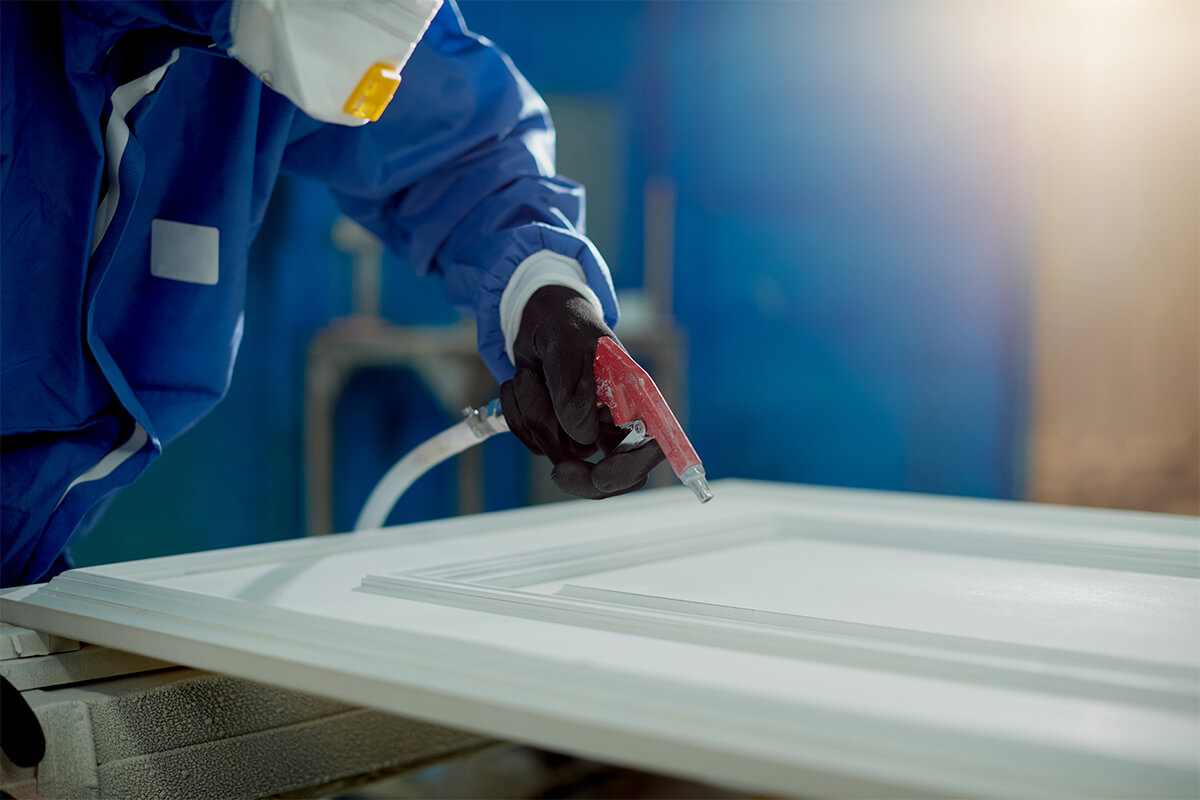
What determines how often a wood door needs refinishing?
No two entry doors age at the same rate. A south-facing door that gets hours of direct sun every day will usually need attention much sooner than a door tucked beneath a covered porch. Exposure to moisture, temperature swings, and even the species of wood can affect how long the finish lasts.
Scobis builds with premium hardwoods such as mahogany, oak, walnut, cherry, and sapele, and uses kiln-dried wood to reduce the risk of warping, cracking, and shrinkage. Protective finish systems, including stains, paints, and topcoats, are selected for weather resistance and UV protection.
That matters because refinishing is not just cosmetic. It is part of preserving the performance of the door itself.
As a general rule, doors with heavy sun and weather exposure may need refinishing more often, while doors in protected areas can go longer. What matters most is watching for the early warning signs.
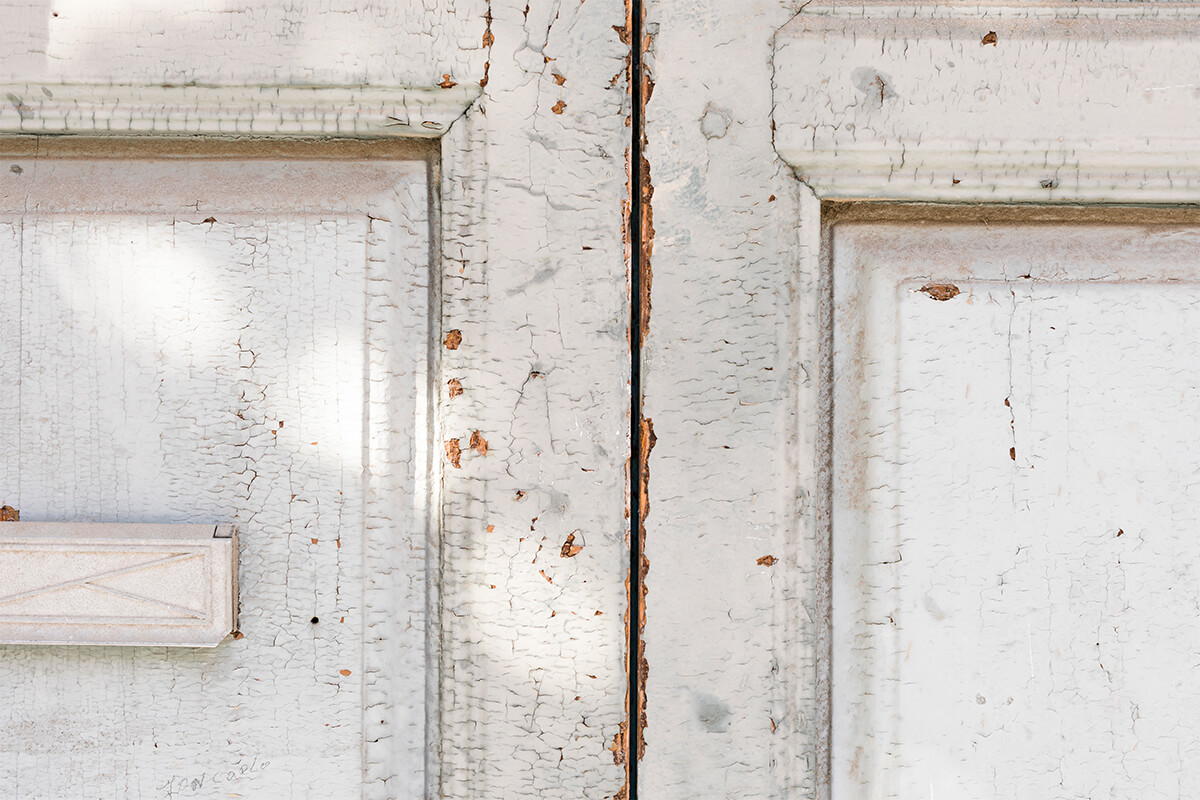
5 warning signs your wood door needs refinishing
1. The color looks faded or uneven
One of the earliest signs is fading. Rich wood tones start to look washed out, dull, or uneven across the surface. Sometimes one section fades faster than another because it gets more direct sunlight.
This is more than a style issue. Fading often means the UV protection in the finish is breaking down. Once that protective layer weakens, the wood becomes more vulnerable to drying, discoloration, and surface damage.
If your door no longer has the depth and richness it once had, refinishing is usually the next step.
2. The finish is cracking, peeling, or flaking
When a clear coat or stain begins to crack or peel, it creates openings for moisture to get into the wood. Once that happens, the problem can move quickly from finish failure to structural damage.
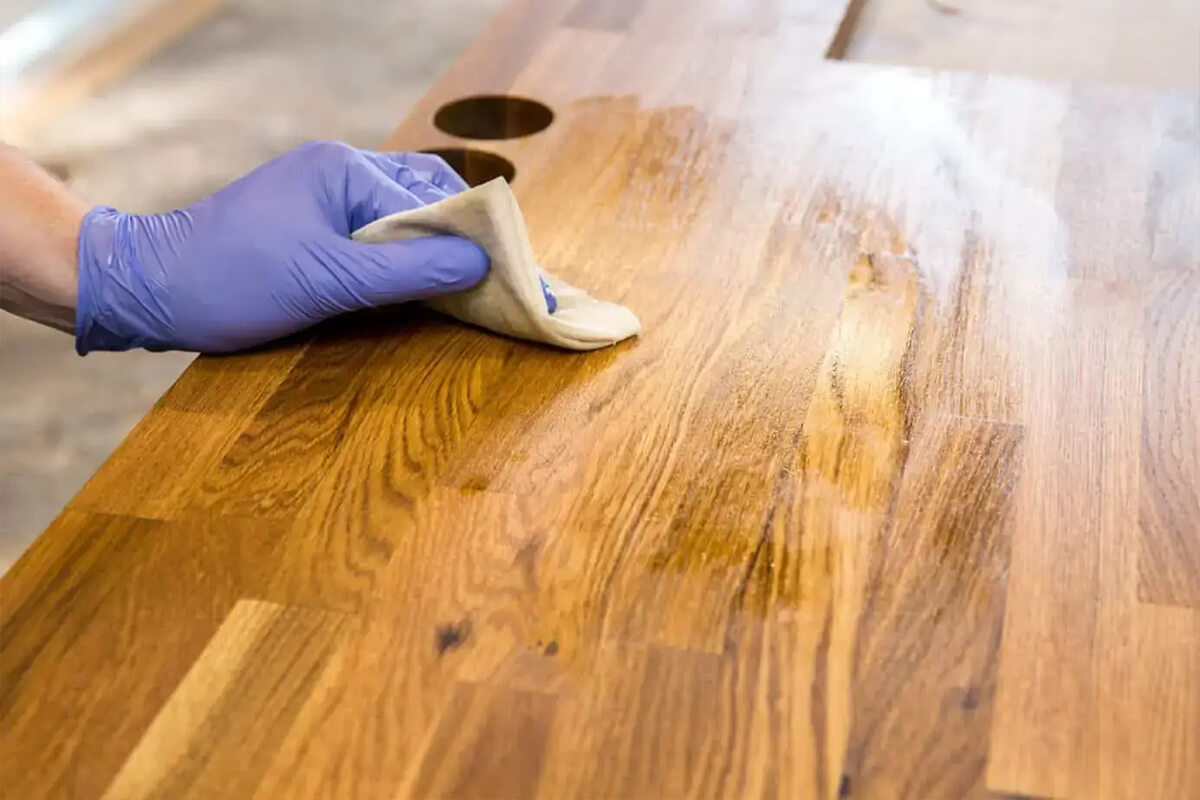
A professional refinish removes the failing finish, properly prepares the surface, and applies a new protective system that bonds to the wood correctly.
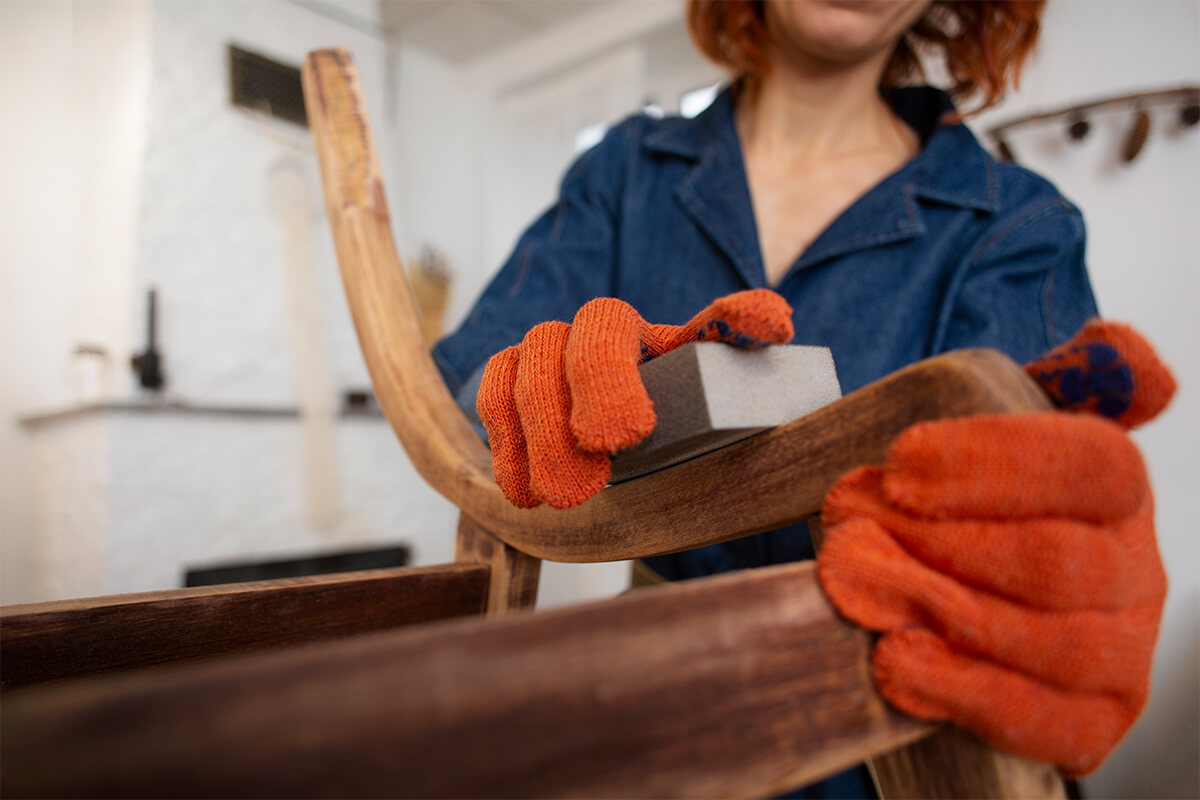
3. The surface feels rough, dry, or sticky
A healthy finish should feel smooth and sealed. If the surface feels rough, gritty, sticky, or dry, the finish may be deteriorating. Dust and debris can settle into a compromised coating, and sun exposure can leave the door feeling parched.
A simple test is to place a few drops of water on an inconspicuous area. If the water beads up, the finish is still doing its job. If it spreads out or absorbs into the wood, the protective barrier is weakening and the door likely needs attention soon.
4. You see water stains, swelling, or early warping
Water damage is one of the clearest signs that refinishing has been delayed too long. Look closely at the bottom edge of the door, panel joints, and any exposed areas near glass or hardware. Darkened spots, swelling, softness, or movement in the wood can signal moisture intrusion.
Minor issues can often be addressed during refinishing. Severe warping, rot, or structural failure may point to replacement instead.
5. The door looks tired even if it is still functional
Sometimes the issue is not major damage. The door still works, but it no longer complements the home the way it should. The finish may look dated, cloudy, or flat. For a custom wood entry, that can take away from the entire facade.
Refinishing can restore the natural beauty of the grain, deepen the tone, and bring the entry back in line with the architecture of the house. Since Scobis doors are designed as statement pieces that blend craftsmanship, security, and aesthetic value, keeping the finish in top condition protects more than the wood. It protects the overall impression of the home.
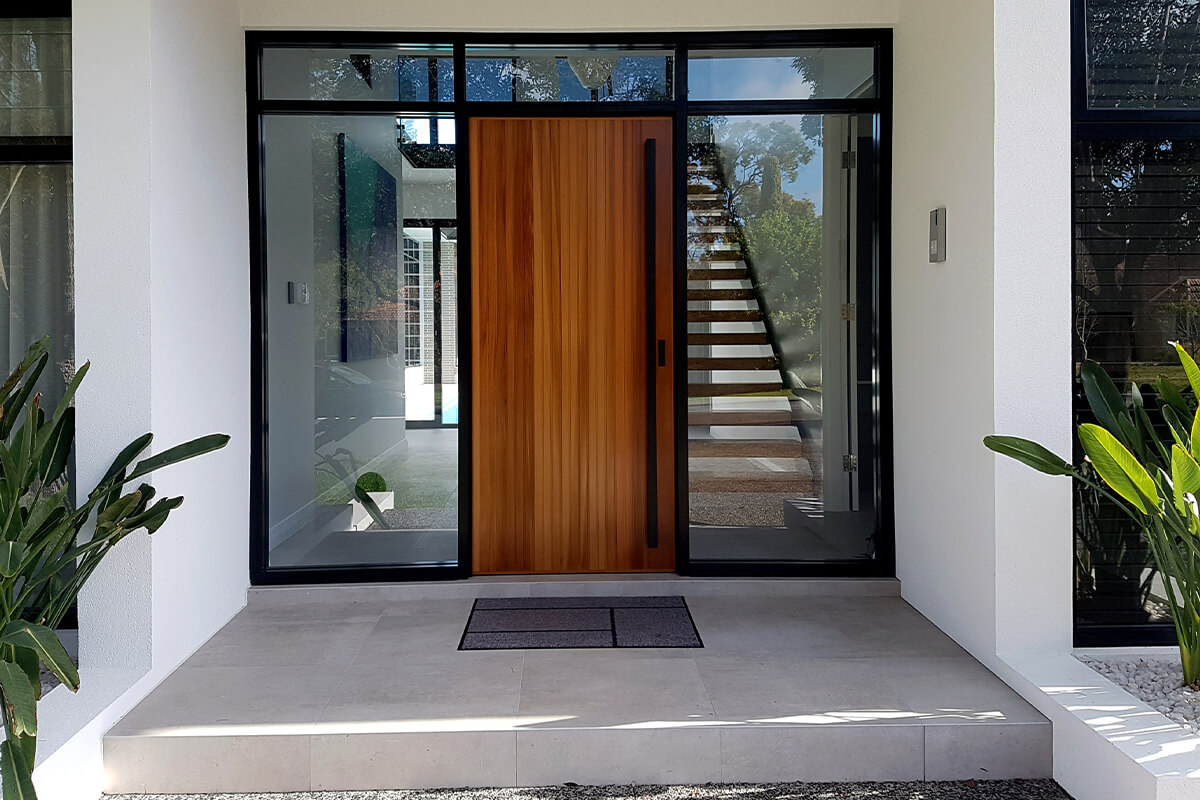
Should you finish or replace your door?
Many homeowners assume a worn wood door has to be replaced. Often, that is not the case.
If the door is structurally sound, still closes properly, and the wood beneath the finish is in good condition, refinishing is usually the smarter move. It preserves the craftsmanship, costs less than replacement, and can dramatically extend the life of the door.
Replacement becomes more likely when there is major rot, deep cracking, severe warping, failing joints, or damage that affects security and operation.
Why professional refinishing makes a difference
A wood front door is not a simple weekend project.
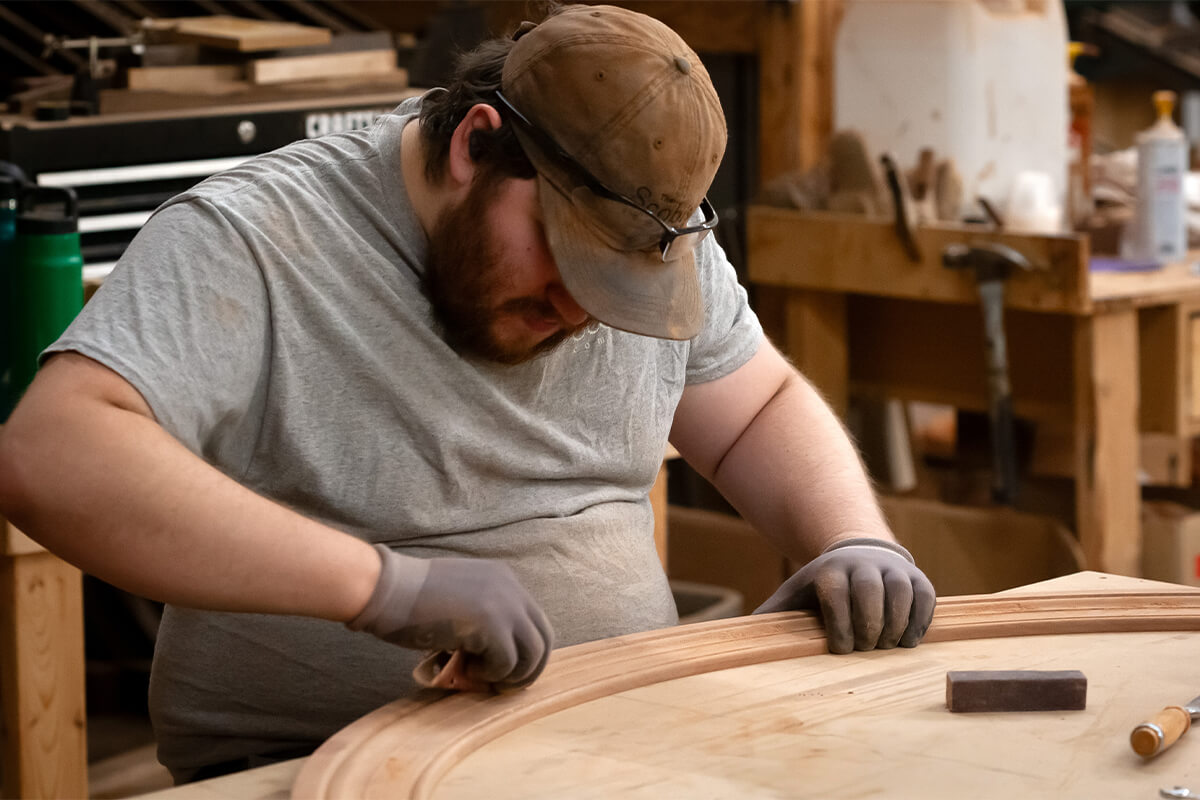
A long-lasting refinish depends on correct preparation, proper sanding, stain compatibility, moisture awareness, product selection, and careful application. Small shortcuts can lead to blotchy color, premature peeling, or a finish that fails much sooner than it should.
Scobis’s broader process is built around precision, material expertise, and craftsmanship from consultation through final walk-through. That same philosophy applies to maintaining fine wood doors. The company’s materials, finishing options, and attention to detail are all geared toward long-term performance, not just appearance on installation day.
How to make your finish last longer
A few simple habits can extend the life of your door’s finish:
- Clean it gently with mild soap and water rather than harsh chemicals.
- Inspect it seasonally for fading, peeling, or water intrusion.
- Pay extra attention to doors with direct sun exposure.
- Address small finish failures early before the wood is exposed.
- Schedule maintenance before the door looks severely worn.
So, how often should you refinish a wood front door?
There is no single schedule that fits every home, but the right approach is simple: inspect it regularly, watch for early warning signs, and refinish it before the finish fails completely. Sun exposure, moisture, and everyday wear all affect timing, but fading, peeling, rough texture, water absorption, and visible wear are your clearest signals that the door needs attention.
A wood front door should never be treated like an afterthought. When properly maintained, it remains one of the most striking and valuable architectural features of a home.
And when the door is built with premium hardwoods, kiln-dried stability, handcrafted detailing, and protective finishing systems like those highlighted by Scobis, refinishing becomes not just maintenance, but a way to preserve beauty, performance, and the character of the entry for years to come.