
How to Add Texture and Warmth to Your Home with Millwork
There’s a reason so many homeowners are moving away from cold, flat surfaces and sterile interiors. After years of ultra-minimalist design, people want their homes to feel like something layered, grounded, alive. So here’s how to add texture and warmth to your home with millwork.
From wide-plank hardwood floors to hand-crafted ceiling coffers and wall paneling, millwork is the single most effective way to introduce real texture and lasting warmth into any living space. It’s not just decorative. And when done right, it transforms a house into a home.
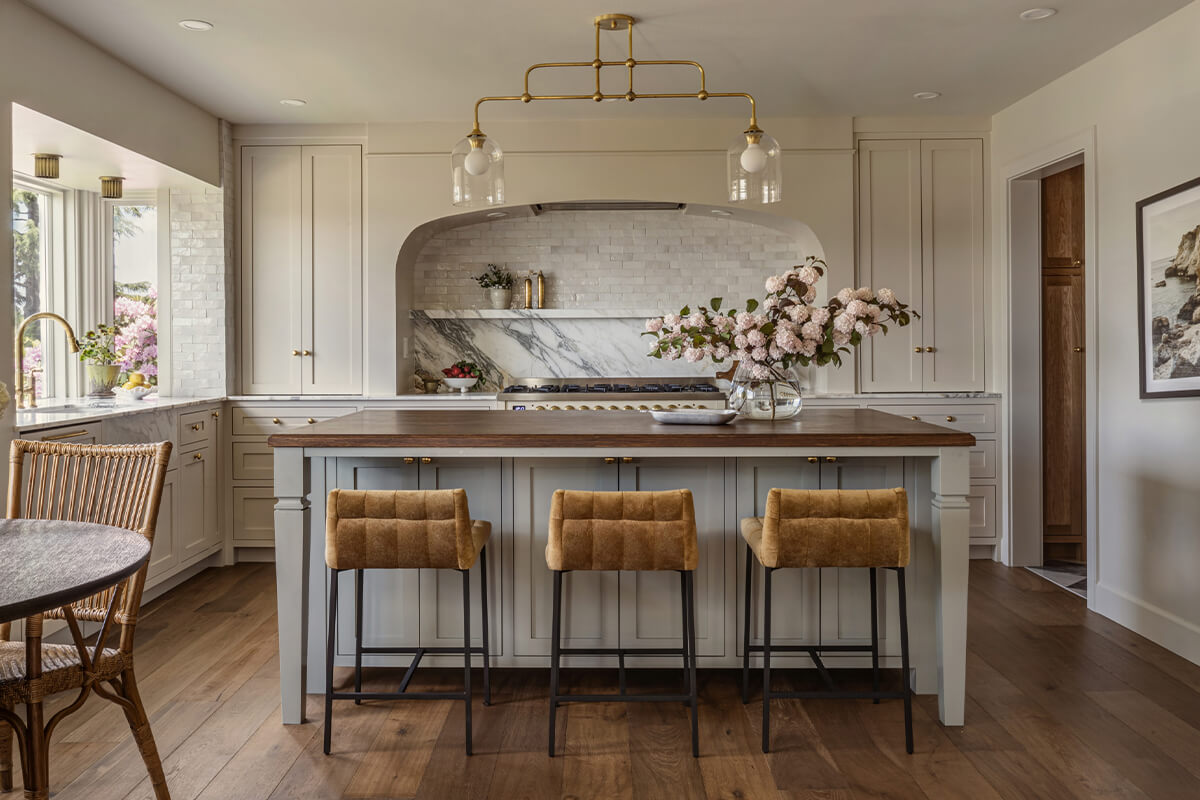
Why does millwork matter for interior texture?
Millwork refers to wood products and architectural elements that are custom-fabricated for a specific space. Think built-in cabinetry, wall panels, crown molding, wood doors, flooring, ceiling details, and trim work. Unlike off-the-shelf finishes, custom millwork is designed to fit your exact dimensions, style, and material preferences.
When it comes to texture and warmth, millwork delivers on multiple levels:
- Visual texture: Natural wood grain, surface patterns, and layered profiles add depth that paint and drywall simply cannot replicate.
- Tactile warmth: Wood is a naturally insulating material that feels warmer to the touch and creates a sense of coziness in any room.
- Architectural character: Millwork gives a space a sense of permanence and craftsmanship that elevates its entire feel.
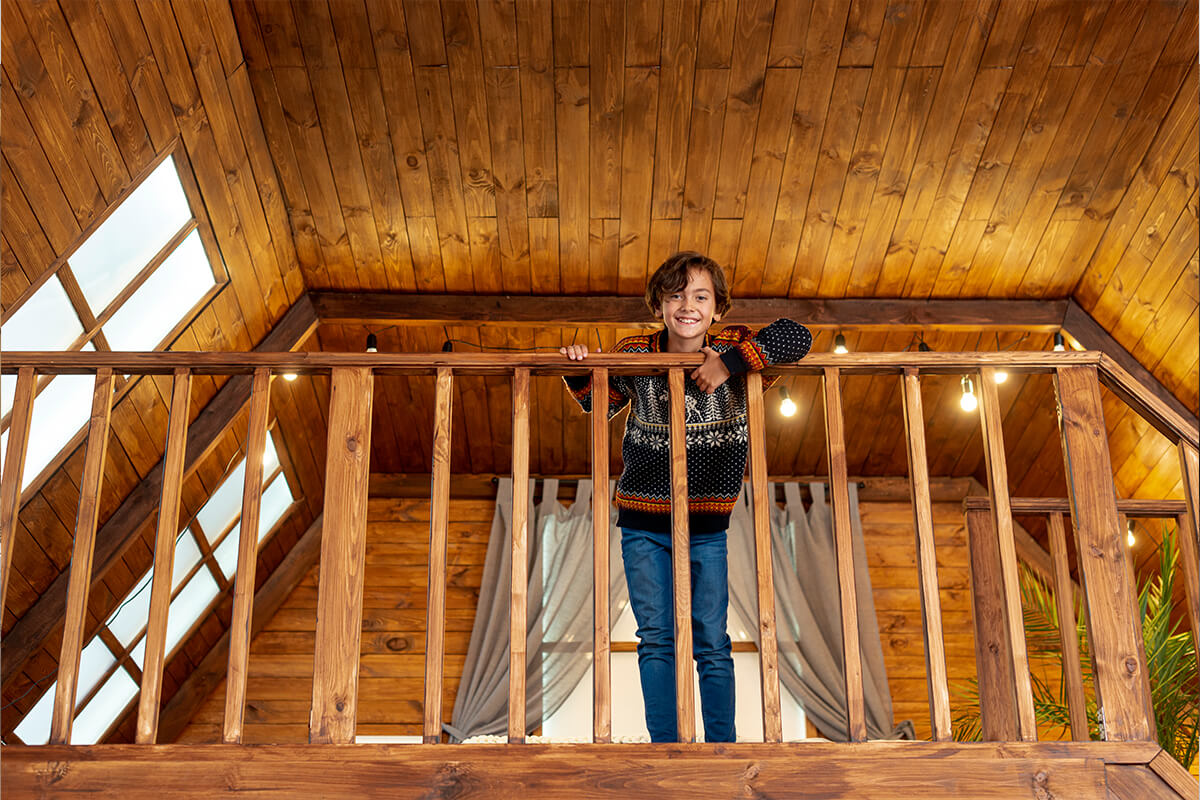
What are the best millwork elements for adding warmth to a home?
Not all millwork serves the same purpose. Here’s a breakdown of the most impactful elements for texture and warmth, and where to use them:
1. Wood Wall Paneling
Wall paneling is one of the fastest ways to transform a room. Wide vertical or horizontal planks, especially in White Oak, Walnut, or Mahogany, create a rich, layered backdrop that adds dimension without overwhelming the space.
- Best used in: Living rooms, primary bedrooms, home offices, entryways.
- Pro tip: A soft matte finish enhances the wood’s natural grain while keeping the look modern and refined, rather than heavy or rustic.
2. Custom Wood Flooring
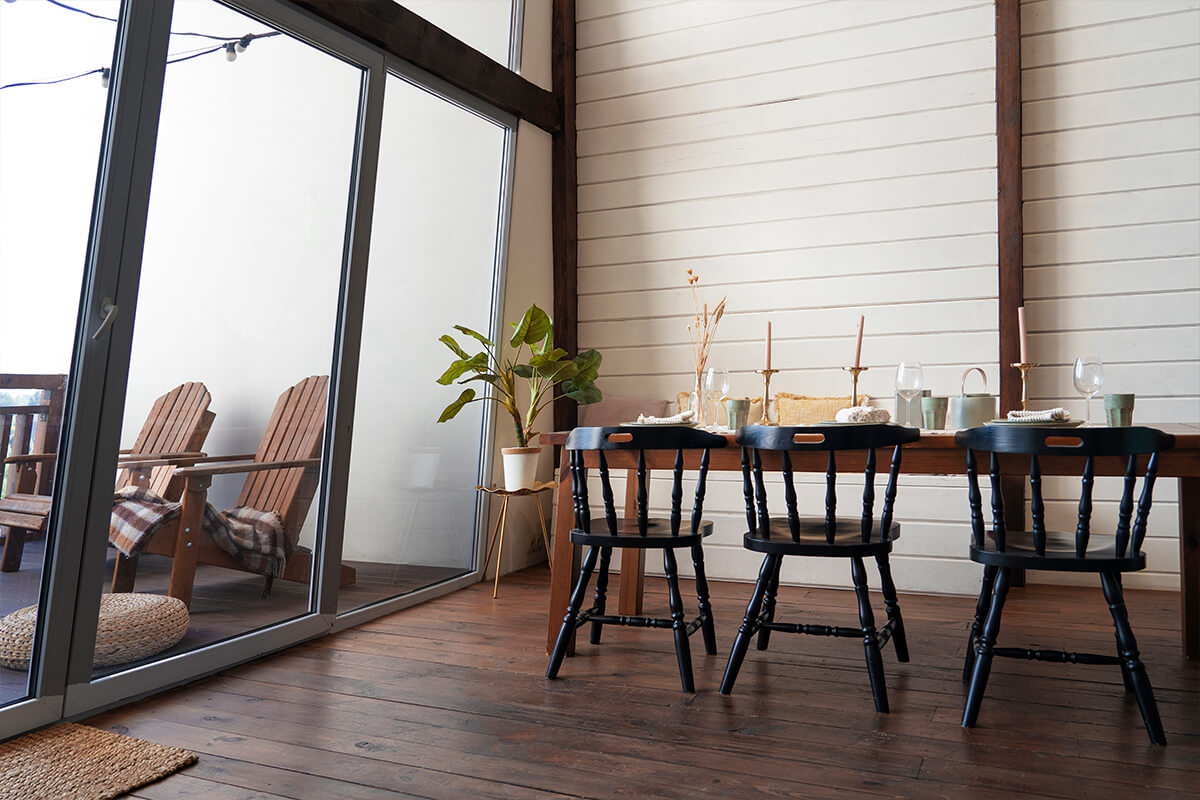
The floor is the largest surface in any room and the right wood floor can anchor an entire design. Wide-plank floors minimize seams and create a sense of expansiveness, while herringbone or chevron patterns introduce graphic texture underfoot.
- Best used in: Open-plan living areas, kitchens, hallways.
- Pro tip: A distressed or wire-brushed finish adds a lived-in, authentic quality while still looking intentional and elevated.
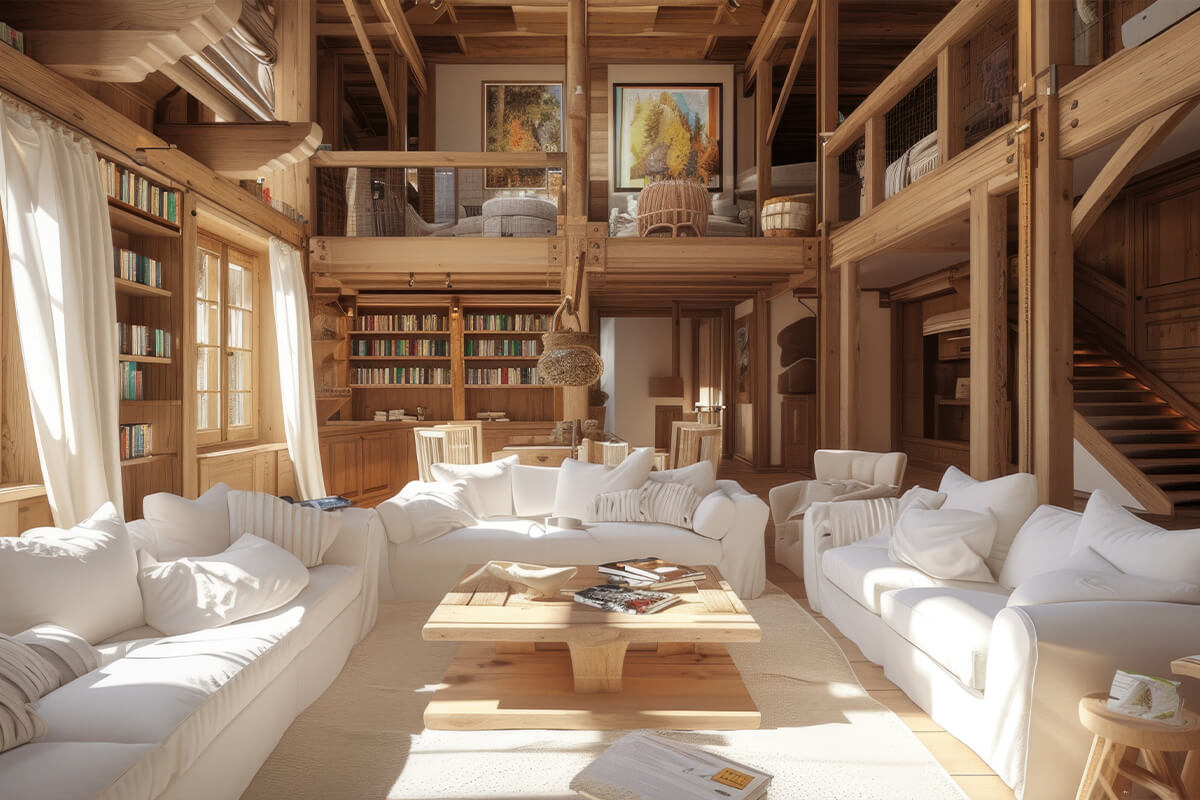
3. Ceiling Coffers and Wood Beam Details
Ceilings are one of the most underused surfaces in interior design. Adding hand-selected wood planks, exposed beam detailing, or classic coffered panels brings warmth from above, literally and visually. It creates an enveloping sense of coziness that makes even large rooms feel intimate.
- Best used in: Dining rooms, libraries, great rooms, covered outdoor spaces.
- Pro tip: Match your ceiling wood to floor tones for a cohesive look, or contrast them intentionally for a layered, designer feel.
4. Custom Wood Doors
A beautifully crafted entry door or interior barn door does more than open and close, it sets the tone for the entire space. The natural grain, weight, and finish of a custom wood door communicates quality the moment someone walks in.
- Best used in: Entryways, home offices, primary suite, pantry or library.
- Pro tip: Pair darker wood species like Walnut or Mahogany with warm-toned hardware in brass or bronze for a cohesive, layered aesthetic.
5. Built-Ins, Cabinetry, and Timber Tops
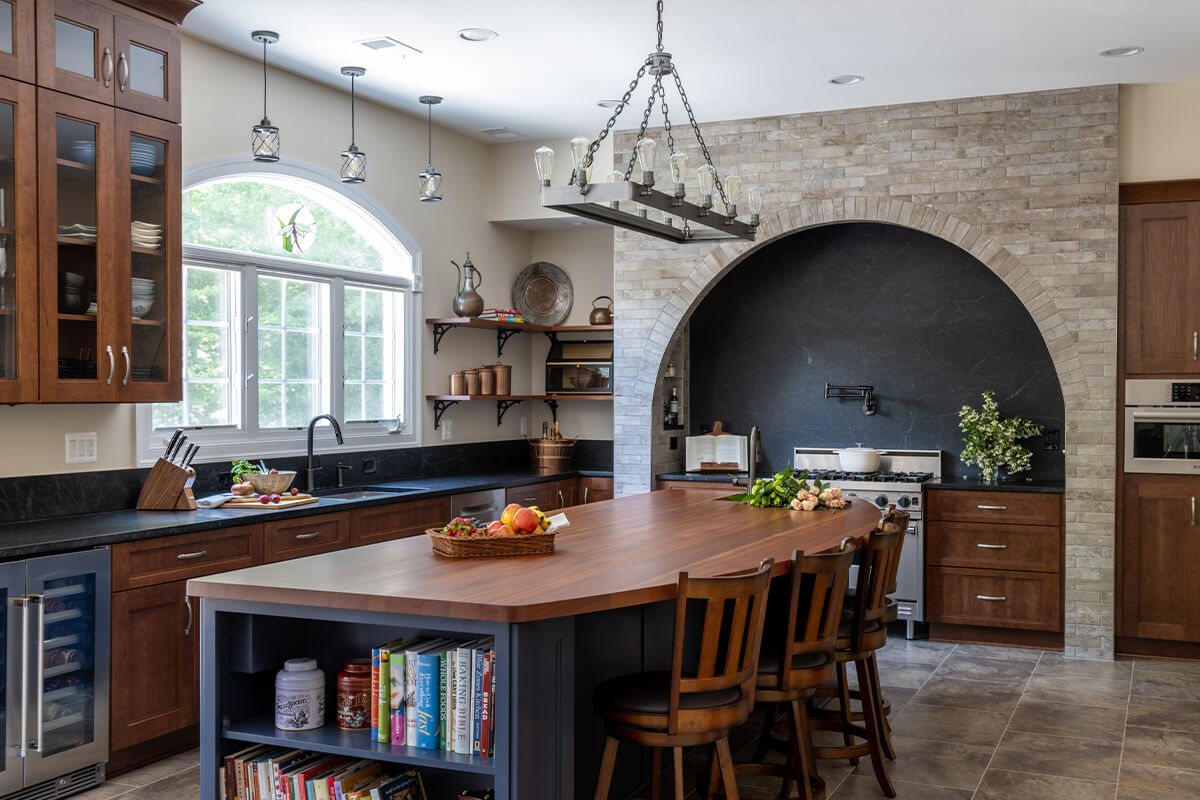
Built-in shelving, cabinetry, and custom timber tops (countertops or tabletops made from solid wood) add functional warmth. They’re not just storage, they’re design statements that bring organic material into everyday living.
- Best used in: Kitchens, mudrooms, home libraries, entertainment walls.
- Pro tip: Leave some open shelving in built-ins to display objects and break up solid surfaces, which adds visual rhythm to the texture.
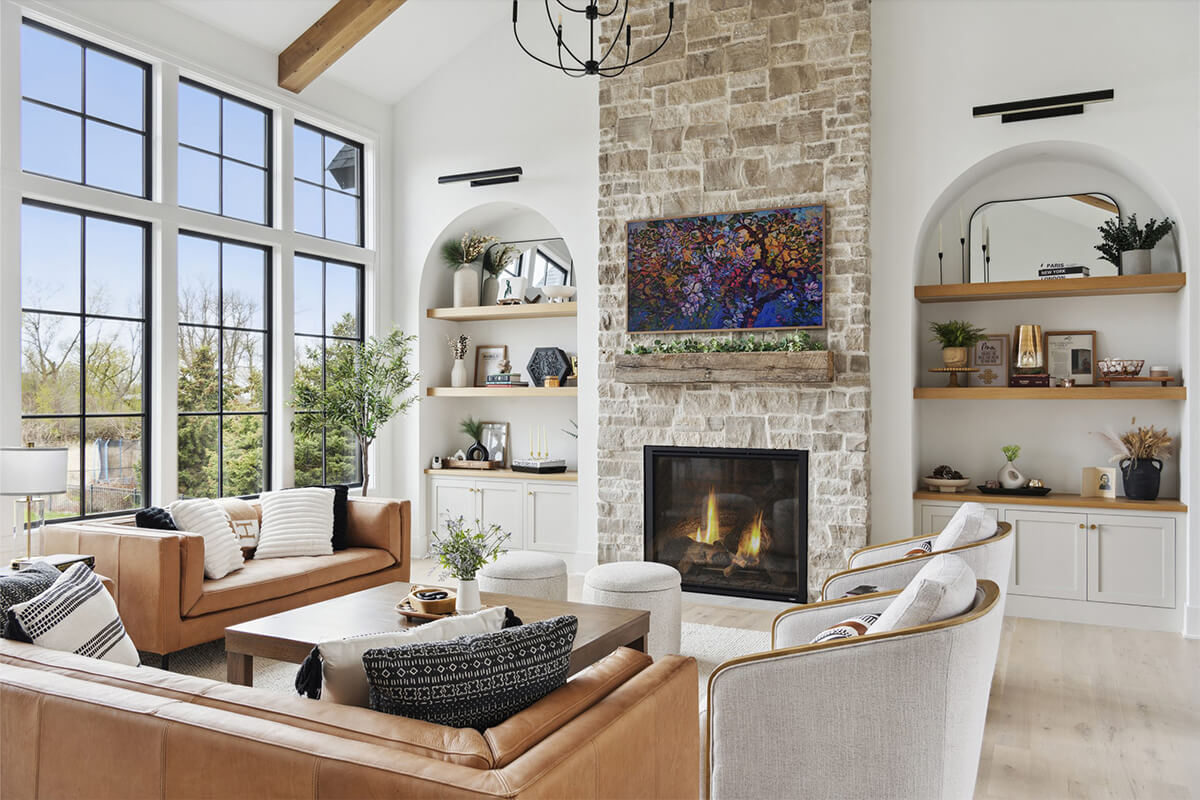
Choosing the right wood species for texture
The wood species you choose dramatically affects the tone and character of your space. Here’s a quick reference guide:
| Wood Species | Tone & Character | Best Style Fit | Texture Level |
|---|---|---|---|
| White Oak | Cool, light, durable | Modern, Scandinavian, transitional | Medium |
| Walnut | Deep chocolate, sophisticated | Contemporary, luxury, mid-century | Medium-High |
| Mahogany | Rich reddish-brown, elegant | Traditional, tropical, classic | Medium |
| Alder | Warm, subtle knots | Rustic, farmhouse, casual | High |
| Cherry | Smooth, darkens over time | Traditional, timeless | Low-Medium |
| Sapele | Ribbon grain, warm amber | Formal, high-end, architectural | High |
| Ash | Light, strong, straight grain | Modern, versatile | Medium |
| Maple | Pale, clean surface | Contemporary, minimalist | Low |
Not sure which species is right for you?
Scobis offers physical samples and specification guides so you can see and feel the difference before committing to a direction.
How to layer millwork texture throughout your home?
Adding millwork isn’t about installing one element, it’s about building a cohesive material story throughout the space. Here’s a simple framework:
Start with the floor
It's your foundation. Choose a species and finish that sets the tone, light and airy, or rich and warm.
Add vertical texture
Bring wall paneling or wainscoting into key rooms to create visual layers and definition.
Frame openings
Custom wood doors and trim around windows and passages reinforce the handcrafted character of the space.
Bring in the ceiling
Even a simple wood-planked ceiling in one room creates an anchor that pulls the design together.
Finish with built-ins
Custom cabinetry and timber tops complete the story — adding function and a final layer of warmth.
Contact Our Team!
Whether your door needs a professional refinish or a full custom replacement, we’d love to take a look. Don’t hesitate in contacting us and one of our experts will be in touch shortly.
Millwork texture by interior style
| Interior Style | Recommended Millwork | Wood Species | Finish |
|---|---|---|---|
| Modern / Contemporary | Wide-plank floors, flush-panel walls | White Oak, Ash | Matte, natural |
| Traditional / Classic | Crown molding, coffered ceilings, wainscoting | Cherry, Mahogany | Satin, stained |
| Rustic / Farmhouse | Exposed beams, barn doors, shiplap | Alder, Red Oak | Distressed, oiled |
| Luxury / High-End | Full wall paneling, custom built-ins | Walnut, Sapele | Hand-rubbed, layered |
| Transitional | Mix of trim, flooring, and paneling | White Oak, Walnut | Soft matte |
4 pro tips for getting millwork right
Match your finish to the light in the room.
Dark species like Walnut shine in rooms with natural light; lighter woods like Maple work well in lower-light spaces.
Don't overlook the ceiling.
It's called the "fifth wall" for a reason, a wood ceiling detail can completely redefine a room's character.
Consistency matters.
Using the same wood species across floors, panels, and trim creates a cohesive, elevated look. Mixing too many species in one room can feel busy.
Choose matte over gloss for a natural feel.
High-gloss finishes can make wood look plastic. A soft matte or hand-rubbed oil finish emphasizes texture and grain.
Choose matte over gloss for a natural feel.
High-gloss finishes can make wood look plastic. A soft matte or hand-rubbed oil finish emphasizes texture and grain.
The texture trend is especially strong in St. Louis homes
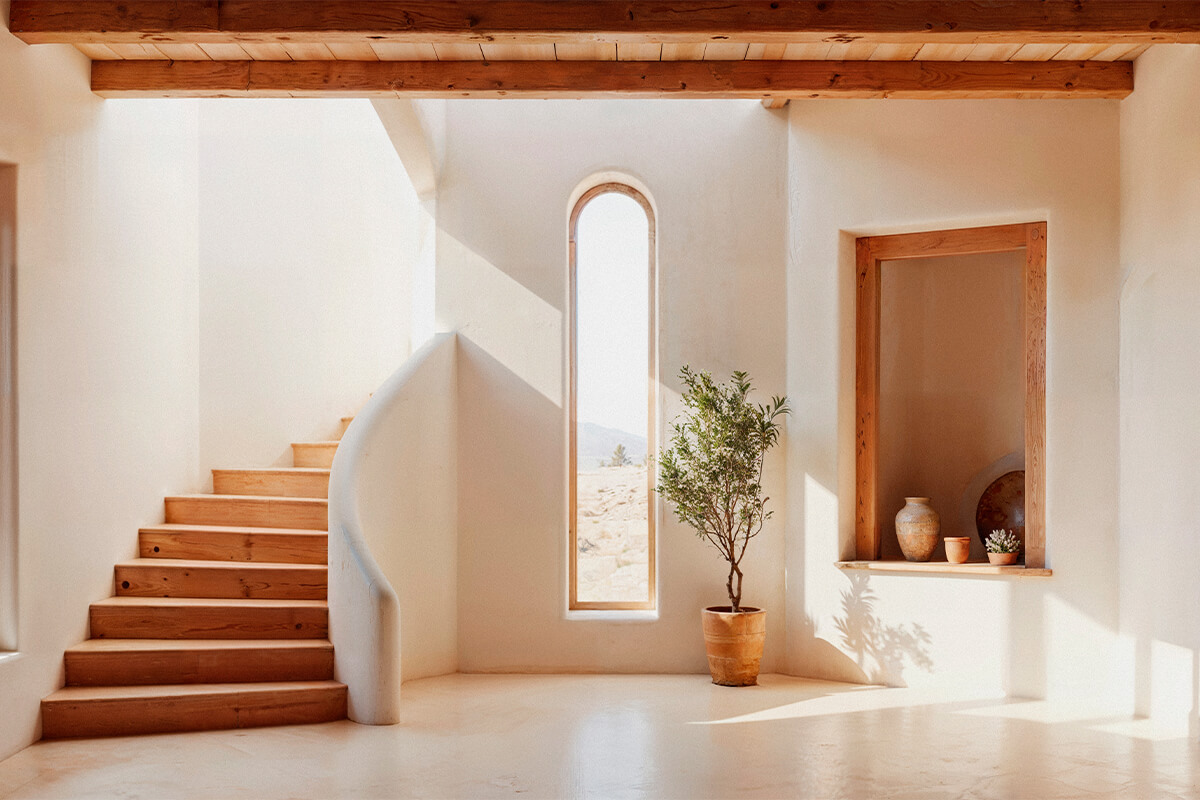
Across the St. Louis metro area, homeowners are increasingly turning to custom millwork to bring character and warmth back into their interiors.
St. Louis has a deep architectural heritage. The region’s classic brick homes, Tudor revivals, and mid-century ranches have long been defined by rich interior woodwork from original oak floors and built-in cabinetry to decorative molding and paneled entryways. Today, that tradition is experiencing a modern revival.
Contact Our Team!
Whether your door needs a professional refinish or a full custom replacement, we’d love to take a look. Don’t hesitate in contacting us and one of our experts will be in touch shortly.
What's driving the trend in St. Louis?
Renovation boom
St. Louis homeowners are investing in long-term upgrades that increase both livability and resale value. Custom millwork consistently ranks among the highest-return interior investments in the market.
Reaction to over-minimalism
After years of gray-on-gray interiors with flat surfaces and cold finishes, local designers and homeowners are actively seeking materials that feel warm, natural, and handcrafted.
New construction with soul
Luxury builds in west St. Louis County neighborhoods like Wildwood, Creve Coeur, and Des Peres are increasingly specifying custom millwork packages, as standard features rather than upgrades.
Biophilic design
The desire to bring natural materials indoors is a growing movement, and nothing delivers that connection to nature more authentically than real wood millwork.
Ready to add texture and warmth to your home?
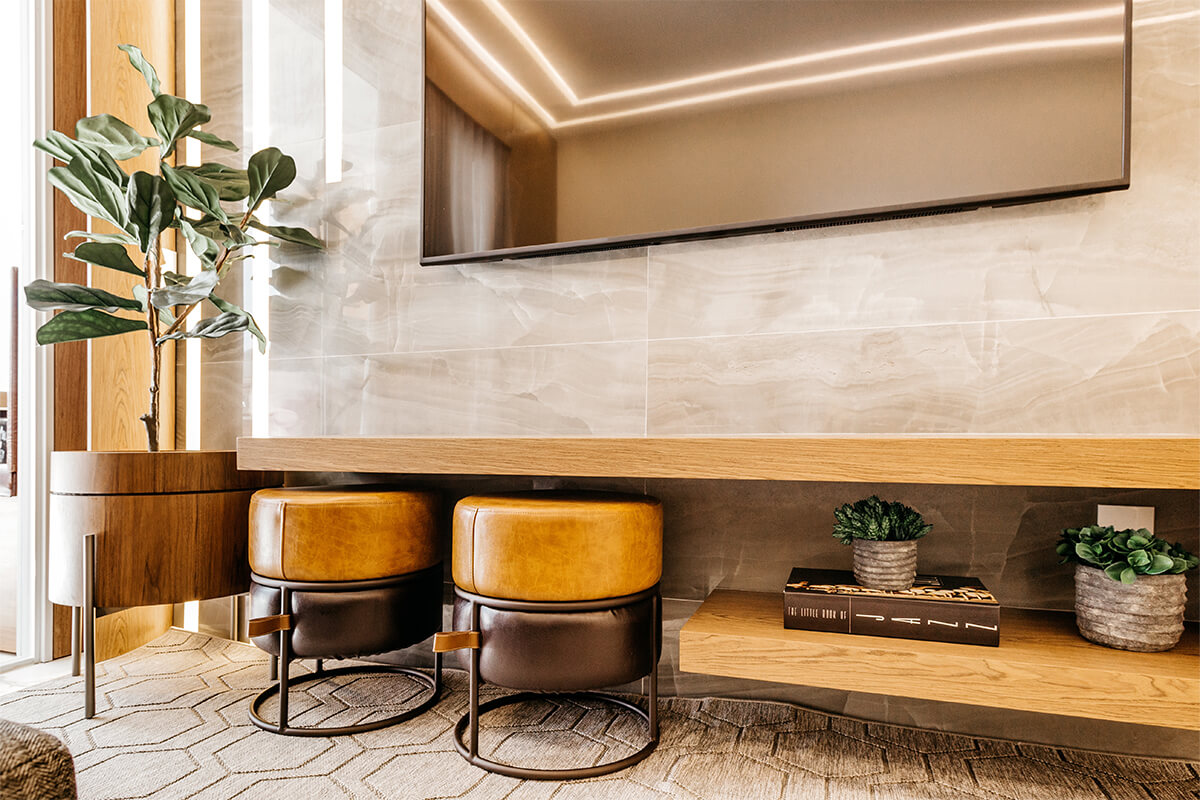
Custom millwork is not just a finish, it’s a commitment to quality, character, and a home that feels exactly the way it should. Whether you’re starting from scratch or transforming an existing space, the right millwork makes all the difference.
At Scobis Millwork + Design, our team works with homeowners, architects, and interior designers to bring each vision to life from material selection and design to fabrication, delivery, and installation. Every piece is handcrafted with precision and backed by a one-year warranty.
Explore our residential millwork services and request your free consultation today.