
How to Choose a Custom Wood Door in St. Louis
(2026 Guide)
Your front door is the first thing visitors see and the last line of defense before they step inside. For St. Louis homeowners, it also has to perform through humid summers, cold winters, and everything in between. Replacing it with a stock door from a big-box store is one option, but if you want something that actually fits your home, matches your style, and holds up for decades, here’s how to choose a custom wood door in St. Louis.
This guide covers everything you need to make a confident decision, from wood species, glass and hardware options, what drives pricing, what the process looks like from consultation to installation, to which local St. Louis providers can deliver.
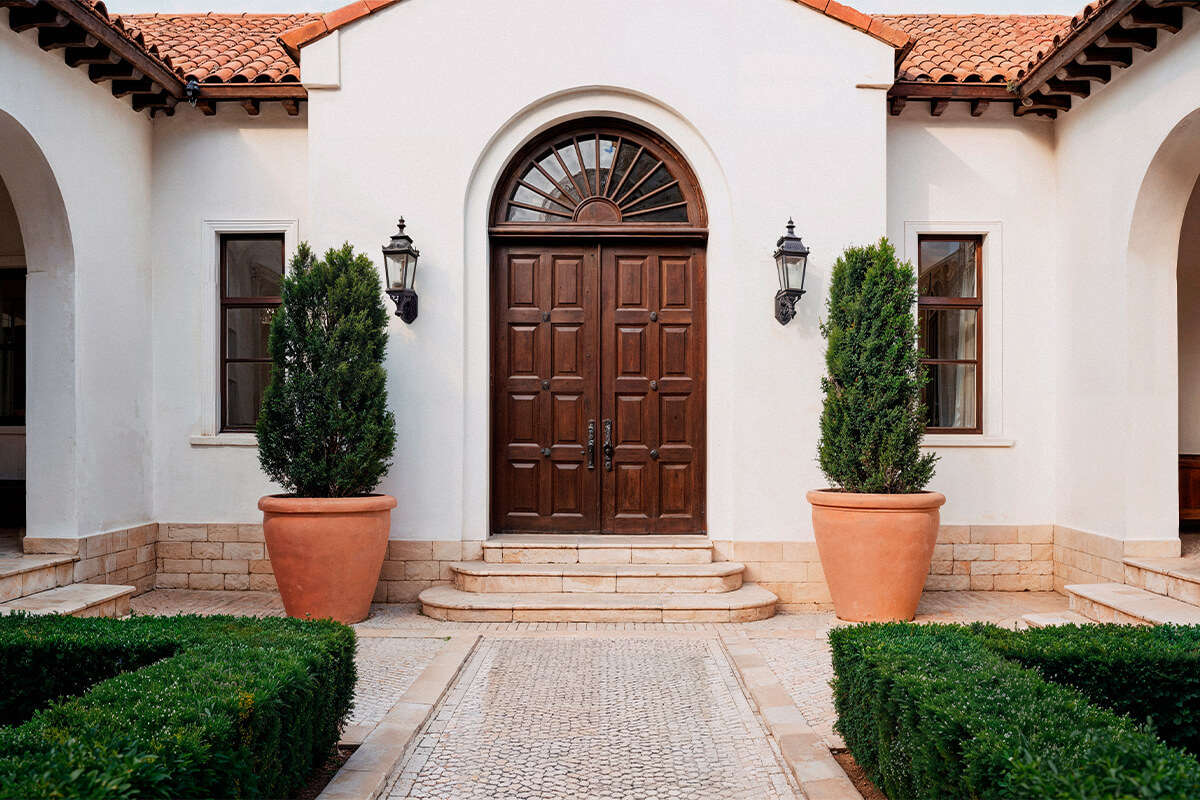
Why a custom wood door is worth it for St. Louis homes
Stock doors are built to generic dimensions for generic homes. If your entryway is non-standard, wider, taller, arched, or part of a historic home, a stock door either won’t fit or will require ugly filler trim to make it work.
Custom wood doors are engineered to your exact opening. No gaps. No fillers. No compromise on aesthetics. Beyond fit, they give you full control over:
- Wood species: Oak, walnut, mahogany, sapele, cherry, and more
- Panel design: 2-panel, 5-panel, full lite, radius lite, Dutch door
- Glass inserts: Frosted, leaded, stained, tinted, acoustic
- Hardware: Bronze, brass, brushed steel — mortise locks, smart locks, multi-point systems
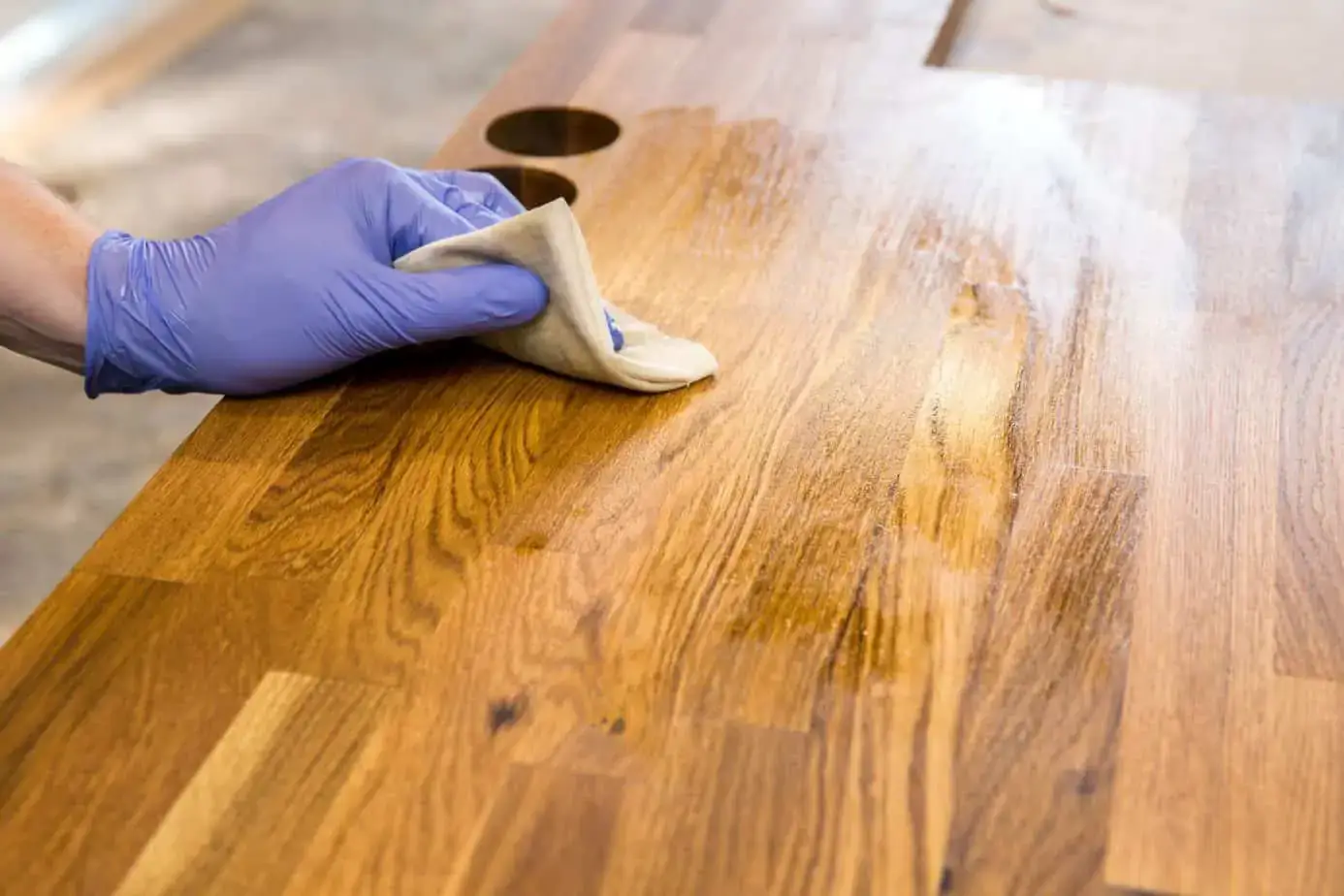
- Finish: Hand-applied stains, custom paint, UV-protective topcoats
For St. Louis neighborhoods like Ladue, Webster Groves, Kirkwood, or the Central West End, where curb appeal and architectural character matter, a custom door is also a genuine home value investment.
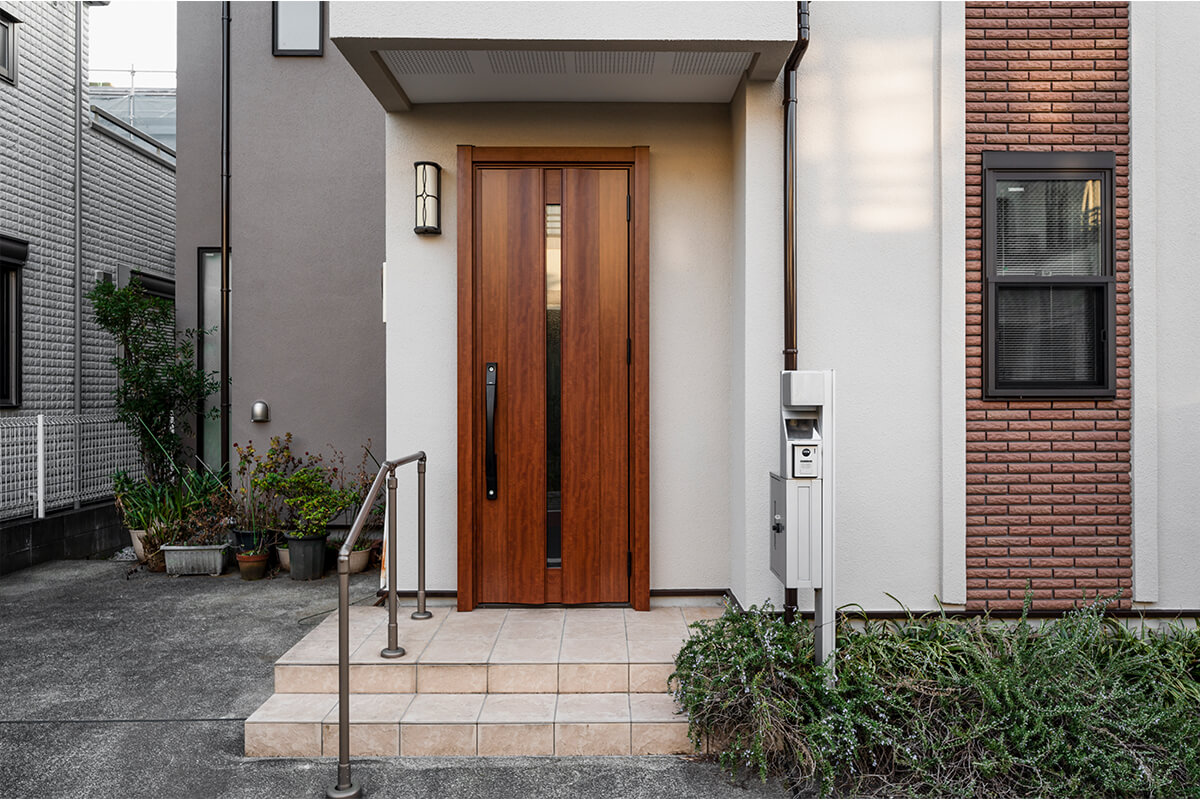
Which wood should you choose for door?
The wood species you pick determines how your door looks, how long it lasts, and how much maintenance it needs. Here are the most popular options for St. Louis homes:
Mahogany: The Gold Standard for Entry Doors
Rich reddish-brown tones, consistent grain, and outstanding rot resistance make mahogany the top choice for exterior doors. It insulates well, adapts to classic and contemporary styles alike, and darkens beautifully over time.
Best for: statement entry doors and sidelite systems.
White Oak: Durable and Moisture-Resistant
White oak is dense, water-resistant, and highly stable — important in Missouri’s humid summers. Its cooler grayish tone suits modern and transitional homes. It’s also increasingly popular for exterior applications because of its natural durability.
Best for: contemporary entries and high-moisture exposures.
Walnut: Sophisticated and Modern
Deep chocolate hues with sophisticated grain movement make walnut a favorite for modern and upscale interiors. Less weather-resistant than mahogany or white oak, walnut shines best in sheltered entryways or interior applications.
Best for: interior French doors, office entries, statement interiors.

Cherry: Warm and Timeless
Cherry starts with a reddish-brown tone and darkens gracefully over time, developing a rich patina that’s uniquely its own. Medium density makes it easier to work with for intricate paneling.
Best for: traditional homes and interior doors.
Sapele: A Premium Alternative to Mahogany
Sapele (sapele mahogany) has a uniform interlocking grain and excellent panel stability, making it ideal for larger door configurations like double doors with sidelites.
Best for: large-scale entries and contemporary panels.
Alder: Budget-Friendly with Rustic Charm
Knotty alder’s subtle knots and warm tone create natural rustic character at a more accessible price point. It takes stain well and works best for interior or protected exterior applications.
Best for: interior doors and rustic-style homes.
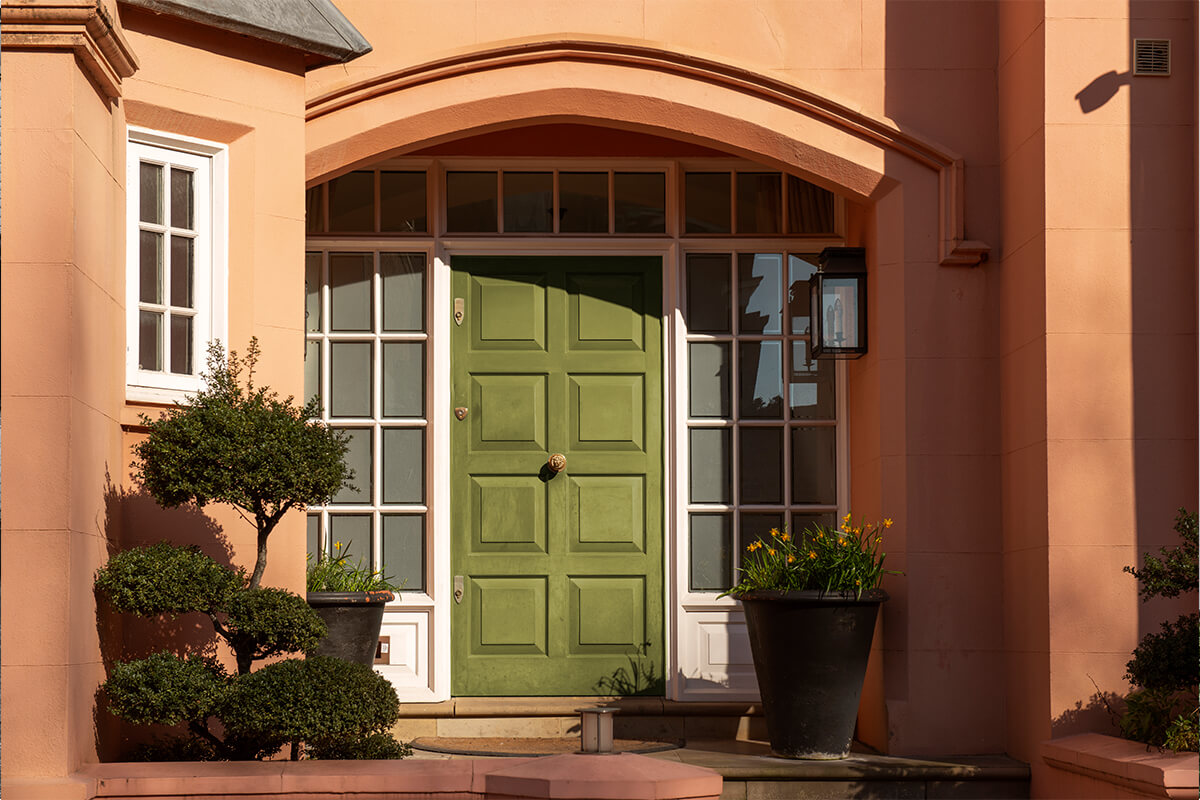
How to add light with glass options
Adding glass to a custom door changes its entire feel, more light, more visual depth, and more design possibilities. The key is choosing the right type for your privacy and security needs:
- Frosted glass: Diffuses light while blocking visibility, ideal for sidelites facing a street
- Leaded or stained glass: Traditional, decorative, and highly custom, common in historic St. Louis neighborhoods
- Textured glass: Patterned for privacy with a contemporary aesthetic
- Tinted glass: Reduces heat gain, useful for south-facing entries in St. Louis summers
- Acoustic glass: Reduces exterior noise, great for homes near busy roads
Scobis, for example, offers all of these options and works with clients to preview glass choices before fabrication, ensuring the final result matches the design intent.
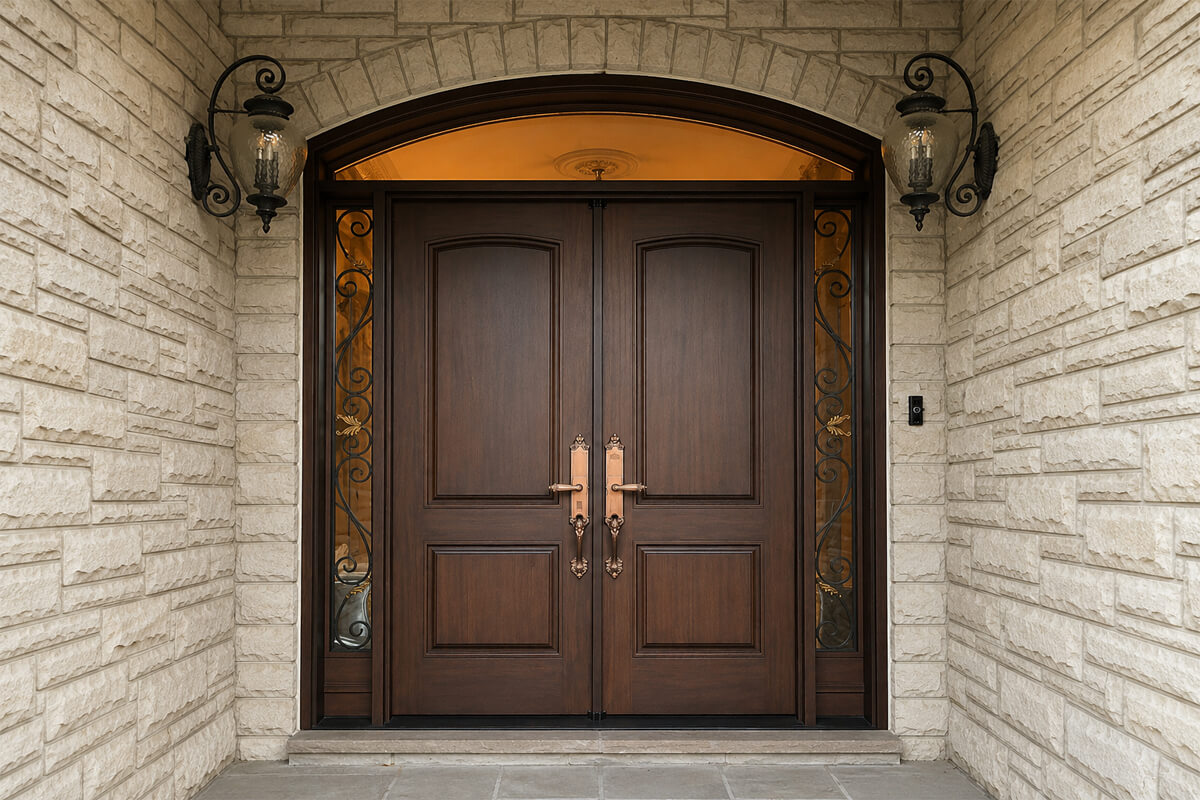
What does a custom wood door cost in St. Louis?
Pricing varies significantly depending on wood species, configuration, glass, and hardware. Here’s a price range for 2026, however keep in consideration this is only for reference and not a quote. For an accurate quote for your project, please contact us here:
- Entry-level custom door (single slab, basic wood, no glass): starting around $3,000–$5,000 installed
- Mid-range custom entry system (single door + sidelites, mahogany or oak, frosted glass): $8,000–$15,000
- Premium systems (double doors, sidelites, transom, leaded glass, high-end hardware): $18,000–$30,000+
What drives cost up are different variables such as exotic wood species, larger configurations, custom glass inserts, premium hardware (mortise locks, smart lock upgrades), and complex panel designs.
What keeps cost down are simpler profiles, alder or pine species, minimal glass, and standard hardware.

The custom door process from start to installation
Understanding the process helps set expectations and avoid surprises. Here’s how a quality custom door project typically unfolds:
- Consultation & site visit: A specialist reviews your opening dimensions, architectural style, and goals.
- Design & 3D rendering: You receive a visual preview of the door in your actual entryway before anything is built.
- Material selection: Wood samples, finish options, glass styles, and hardware are reviewed in person.
- Fabrication: The door is handcrafted in-house using CNC precision combined with traditional joinery. Moisture testing ensures proper fit for St. Louis humidity.
- Quality assurance & installation: Pre-assembly trials before delivery; professional installation with options for pre-hung units to minimize site labor.

St. Louis custom wood doors providers
Choosing a local provider means faster communication, easier site visits, and no guessing about what your door will look like when it arrives. Here are the main options in the St. Louis area:
Scobis Millwork + Design: Custom Craftsmen, Built in St. Louis
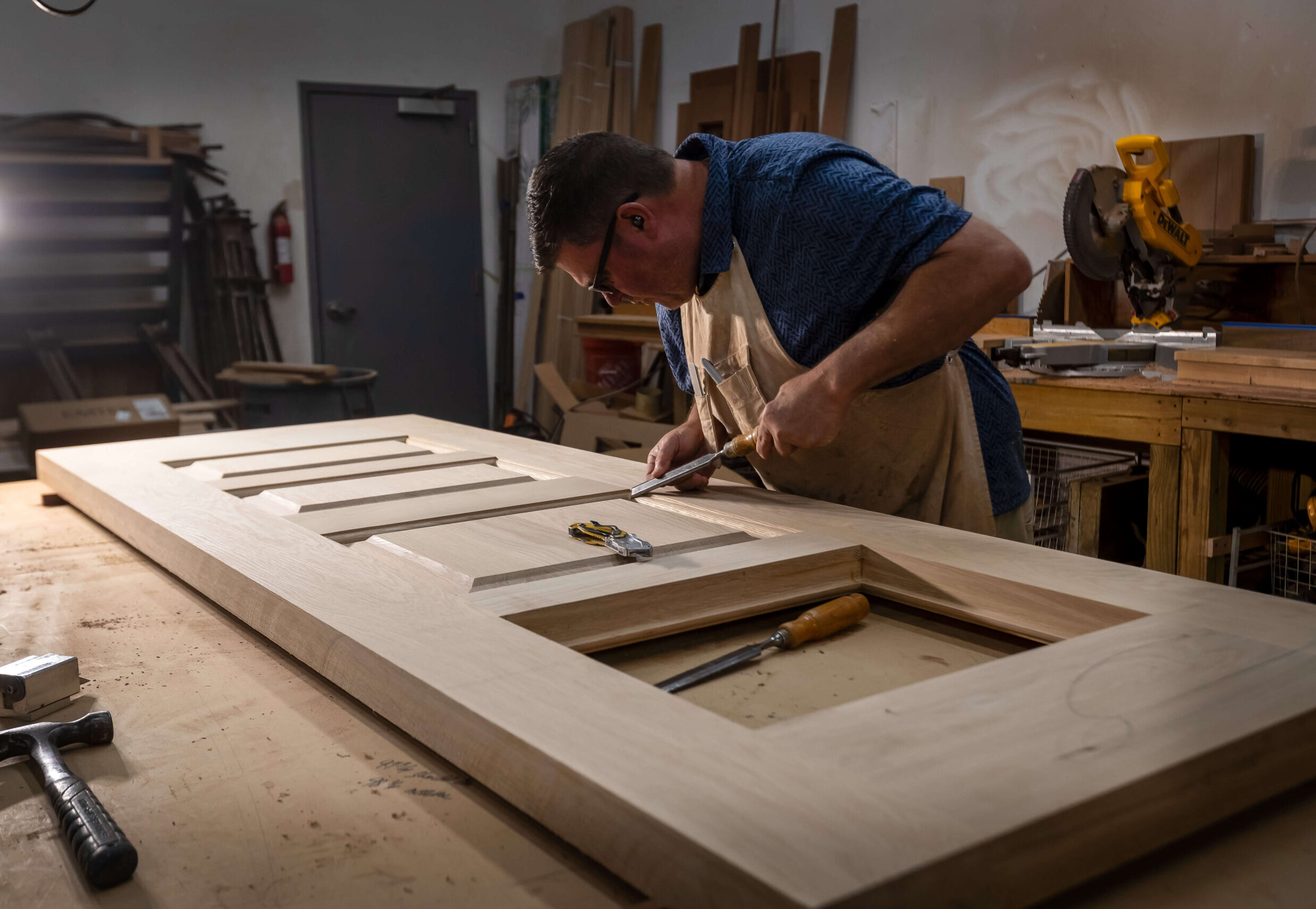
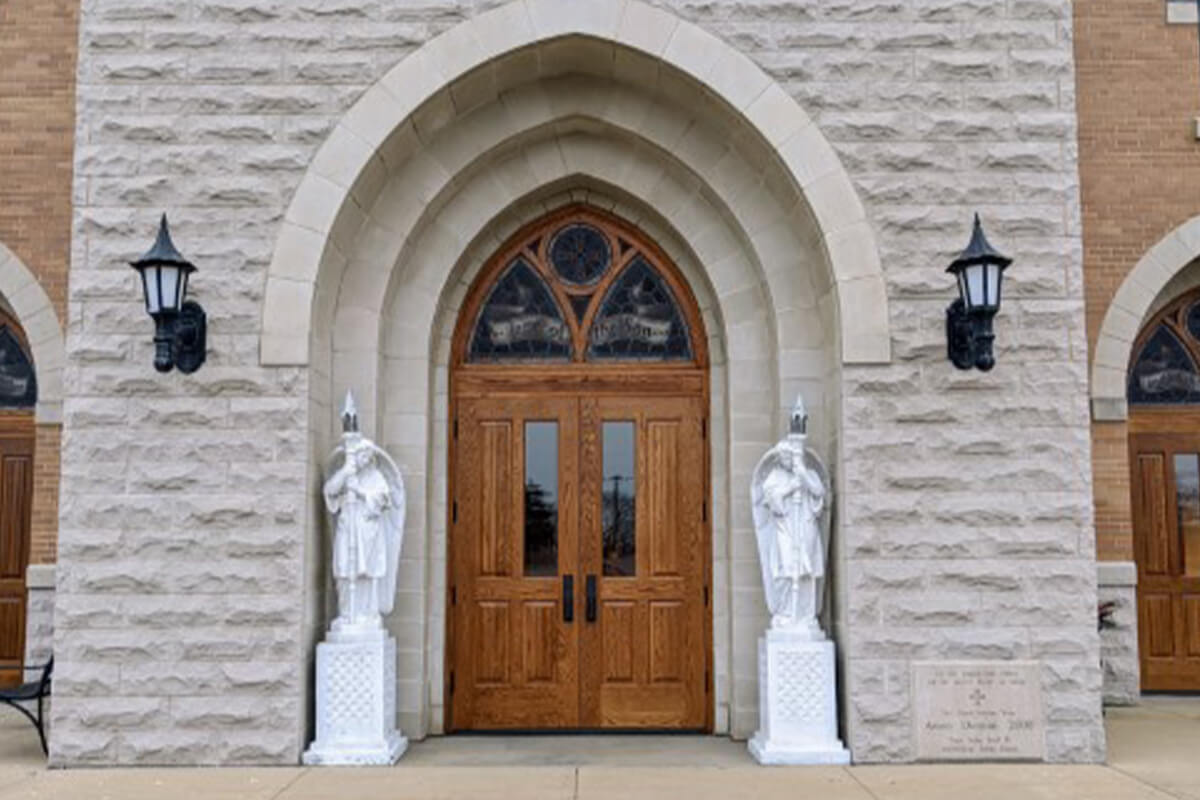
Scobis is St. Louis’s dedicated custom door and millwork specialist, operating an in-house workshop where every piece is handcrafted to order. They serve both residential and commercial clients and offer the full spectrum of door types that include residential entry doors, custom wood interior doors, commercial assemblies, and even church doors.
What sets Scobis apart is the end-to-end ownership of the process: design, fabrication, and installation all happen under one roof in St. Louis. Clients can visit the workshop, meet the craftsmen, inspect work in progress, and see material samples before committing. They also provide 3D renderings so you can visualize the final result before fabrication begins.
Best for: Homeowners and commercial clients seeking fully custom, locally made doors with design-to-installation service
Pella Windows & Doors
Pella is a national brand with a local showroom presence in St. Louis. They offer wood, fiberglass, and composite door options with a range of standard customizations. Lead times are generally shorter than fully custom shops, and pricing is more predictable.
Trade-off: Less design flexibility and no in-house fabrication, doors are manufactured at Pella’s national facilities.
Best for: Homeowners wanting a reliable brand with showroom support and faster timelines
Andersen Windows & Doors
Andersen offers wood-clad and fiberglass entry door systems through local authorized dealers in the St. Louis area. Good quality for standard configurations, but not a true custom shop.
Trade-off: Door styles are selected from a catalog rather than designed from scratch.
Best for: Standard-size openings, replacement projects with budget constraints
Schnucks Home Improvement
Several smaller millwork and carpentry shops in the St. Louis metro area offer custom door work on a project-by-project basis.
Trade-off: Quality varies significantly, always ask to see portfolio work, visit their facility if possible, and get a detailed scope before signing anything.
Best for: Small projects where local craftsmanship is prioritized over brand recognition
5 questions to ask a custom door provider
- Do you fabricate in-house, or outsource manufacturing? In-house means tighter quality control and easier problem-solving.
- Can I visit your facility and see work in progress? A shop confident in their quality will say yes.
- What wood species do you recommend for my specific opening and St. Louis climate? Look for someone who considers Missouri’s humidity, not just aesthetics.
- What does your process look like from deposit to installation and what’s the current lead time? Get this in writing.
- What warranty do you offer on materials and workmanship? Reputable shops stand behind their work.
Ready to See What's Possible?
The best way to understand what a custom door can do for your home is to see one in person. Scobis Millwork + Design invites St. Louis homeowners and project teams to visit their St. Louis workshop, meet the craftsmen, see doors in progress, and walk through the design process with no pressure.