
The 4 Best Woods for Painted Interior Doors
Choosing woods for painted interior doors is a different decision than choosing wood for a stained one. When you’re staining, the grain is the point. When you’re painting, the grain can work against you, telegraphing through every coat and making the finish look textured instead of smooth.
The best woods for painted interior doors share three traits: a tight, closed grain that stays hidden under paint; dimensional stability that resists warping with seasonal humidity changes; and a smooth surface that sands cleanly and holds primer evenly. Here are the four species our St. Louis door company recommends most often, along with one to avoid.
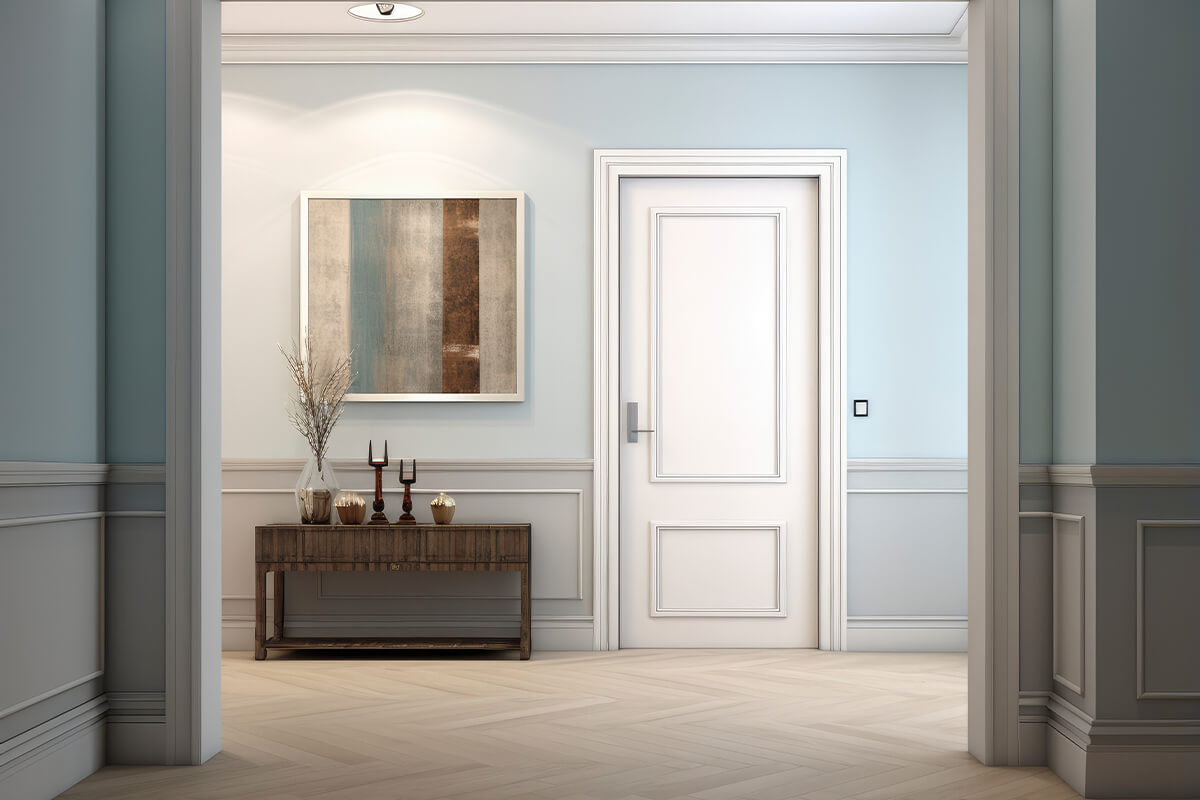
Which wood is best for painted interior doors?
1. Poplar: The paint-grade standard
Poplar is the most common choice for paint-grade interior doors, and for good reason. Its fine, even grain barely shows through paint, it sands to a smooth surface with minimal effort, and it accepts primer and enamel coats exceptionally well. It’s also one of the more affordable hardwoods, making it ideal for multi-door projects.
One caveat: poplar is softer than maple, so it can dent more easily in very high-traffic hallways. It also has a slight greenish tint in the raw wood, but this disappears entirely under primer.
2. Soft Maple: The premium pick
Soft maple (sometimes called silver maple) is roughly twice as hard as poplar, making it significantly more resistant to everyday dings and dents. Its tight, consistent grain produces a near-furniture-grade surface under paint. For high-traffic areas like entry halls, kids’ rooms, home offices, soft maple is worth the 15–30% price premium over poplar.
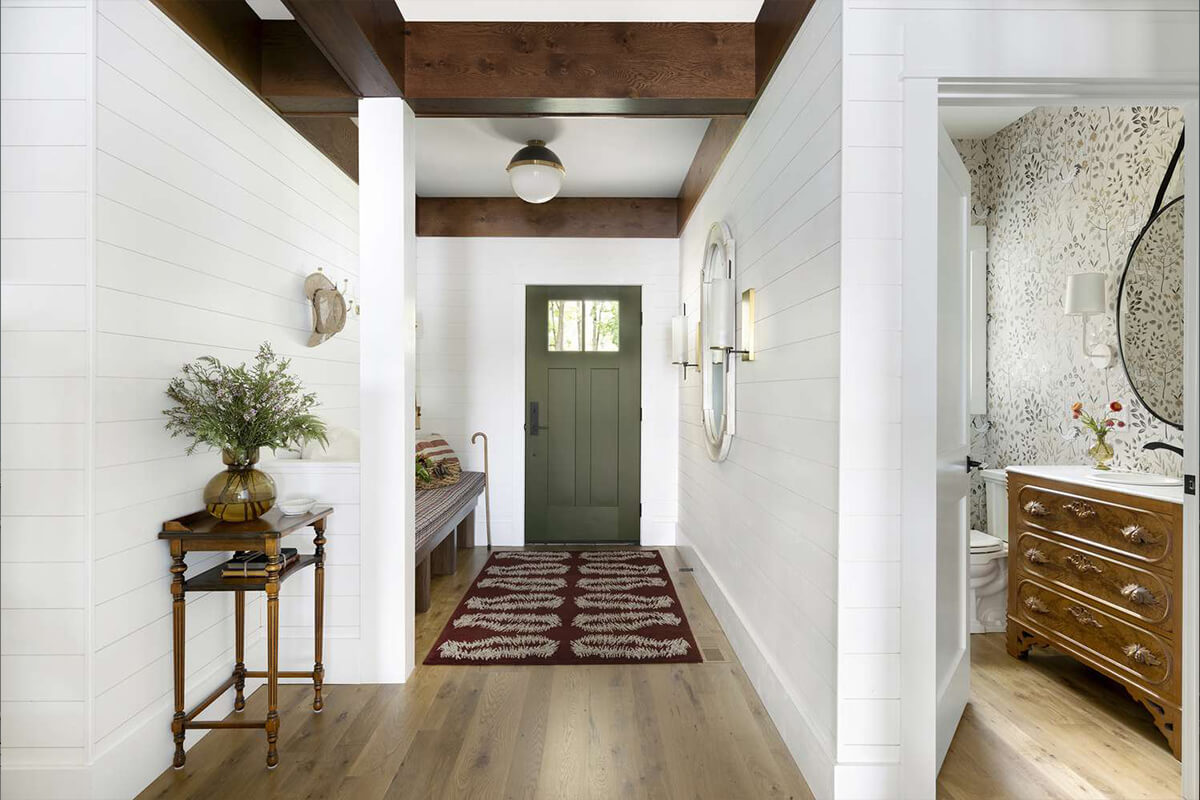
3. Clear-Grade Alder: The versatile option
Clear-grade alder has a fine, relatively closed grain and machines cleanly, making it a solid paint-grade choice when specified in clear grade. Note the distinction: knotty alder (the more common and affordable grade) is better suited to staining. For painted applications, always request clear grade. It performs similarly to poplar but may be priced higher depending on your region.
4. MDF-Core Stile & Rail: The stability champion
Engineered doors with solid wood stiles and rails and MDF panel inserts combine real wood construction with the dimensional stability of medium-density fiberboard. MDF has virtually no grain, which means zero grain telegraphing and an exceptionally smooth paint surface. These doors also resist warping better than all-solid-wood construction, a real advantage in humid climates like St. Louis summers.
Important: MDF-core doors should only be used in dry, interior environments. They are not suitable for bathrooms, exterior applications, or areas with heavy moisture.
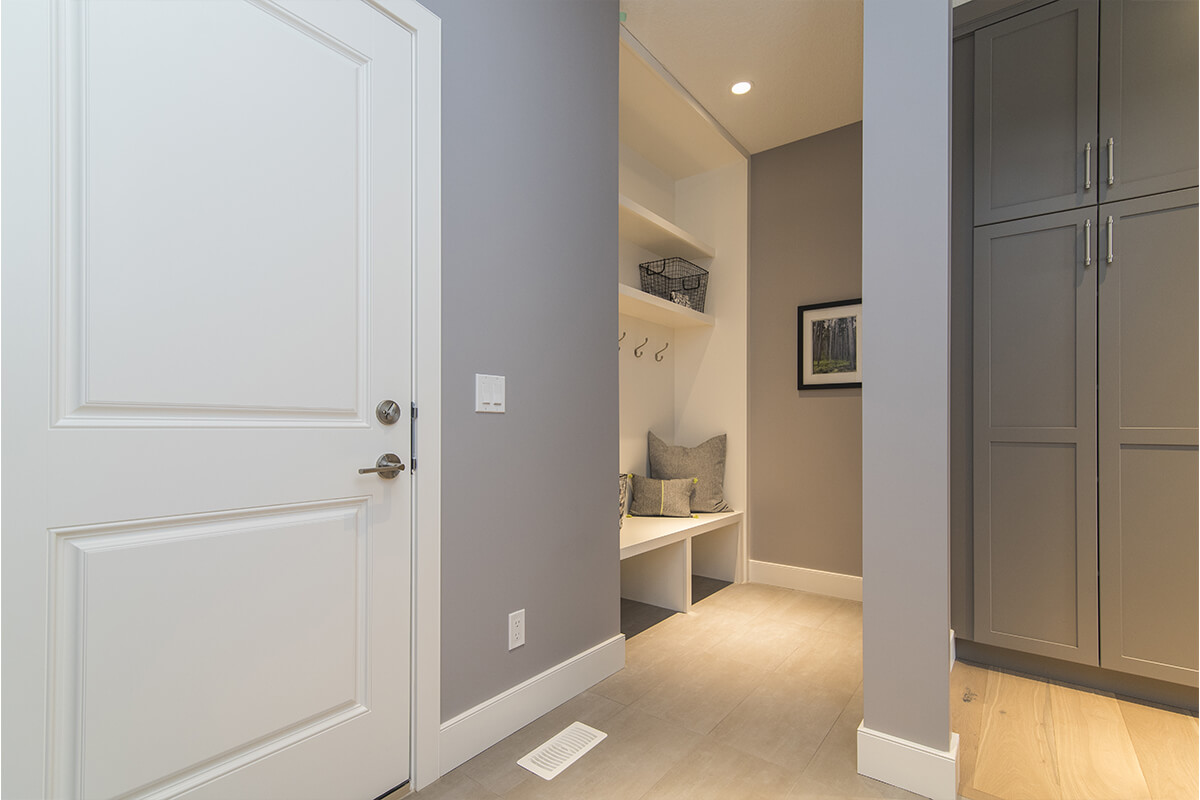
Paint-grade wood comparison
We created this table to compare your options quickly. Oak is included as a reference point, and a cautionary example.
| Wood type | Category | Durability | Cost | Paint grade | Verdict |
|---|---|---|---|---|---|
| Poplar | Soft hardwood | ★★★★☆ | $$ | ★★★★★ | Best all-around |
| Soft maple | Hardwood | ★★★★★ | $$$ | ★★★★★ | Premium pick |
| Clear alder | Soft hardwood | ★★★☆☆ | $$ | ★★★★☆ | Good with primer |
| MDF-core | Engineered | ★★★★★ | $$ | ★★★★★ | Best stability |
| Oak | Hardwood | ★★★★★ | $$$ | ★★☆☆☆ | Avoid for paint |
Avoid oak for painted interior doors
Oak is a beautiful, durable hardwood, but it’s a poor choice for painted doors. Its grain is open and pronounced, and no matter how many coats of paint you apply, the texture will continue to show through, especially in raking light. This isn’t a surface prep problem; it’s inherent to the species.
Save oak for stained applications where its bold grain character is an asset, not a liability. The same logic applies to walnut and cherry, both excellent stain-grade species that make little sense under paint.
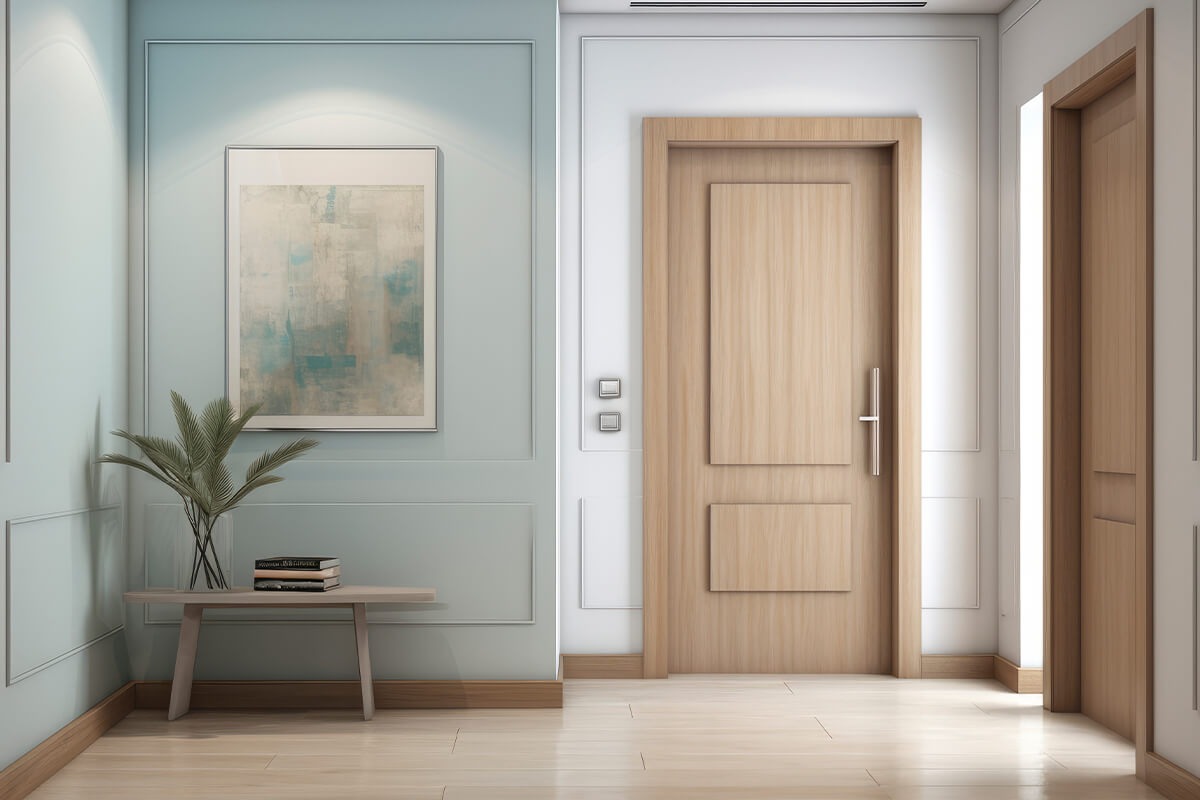
How to give a professional finish to interior doors?
Step 1: Sand & Prep
The difference between an amateur paint job and a furniture-grade result usually comes down to prep, specifically, how much sanding and priming happens before the first drop of topcoat goes on. Follow these four steps:
Step 2: Prime
Apply two thin coats of oil-based primer, sanding lightly between each. This is the most skipped, and most important step.
Step 3: Paint
Apply 2–3 coats of high-quality enamel. Work panel sections first, then rails and stiles. Sand with 320-grit between coats.
Step 4: Protect
For high-traffic doors, finish with a clear satin or semi-gloss topcoat. This adds scuff resistance and extends the finish’s life significantly.
Pro Tip: Allow full dry time between every coat, typically 2–4 hours for latex, 6–8 hours for oil-based products. In humid St. Louis summers, err on the side of extra drying time. Rushing between coats is the single most common cause of a finish that chips, peels, or looks uneven within the first year.

Frequently asked questions
Is poplar or maple better for painted doors?
Both are excellent choices. Poplar is the more affordable option and performs beautifully under paint, it’s our most recommended species for painted interior doors. Soft maple is roughly twice as hard, making it more resistant to dents and dings in high-traffic areas, but costs 15–30% more. For most residential projects, poplar delivers outstanding results. For heavy-use hallways or luxury builds, soft maple is worth the upgrade.
Can I use oak for painted interior doors?
We don’t recommend it. Oak has a very open, pronounced grain that continues to show through paint no matter how many coats you apply, especially in raking light. This isn’t a surface prep issue; it’s inherent to the species. Save oak for stained applications where its bold grain is an asset. For painted doors, choose a closed-grain species like poplar or maple instead.
What's the difference between paint-grade and stain-grade doors?
Stain-grade doors are made from wood with rich, attractive grain character, species like walnut, cherry, or white oak, where the natural wood is meant to be seen and celebrated. Paint-grade doors prioritize a smooth, consistent surface that hides under paint. The best paint-grade woods (poplar, soft maple) are actually less visually interesting in their raw state, which is exactly the point: their tight, even grain disappears under a well-applied finish.
What's the difference between paint-grade and stain-grade doors?
For a professional result the best way is two coats of oil-based primer (sanding lightly between coats), followed by two to three coats of high-quality enamel, with a light sand between each coat. A protective topcoat adds durability in high-traffic areas. Rushing the process, too few coats or skipping the sanding steps, is the most common cause of a finish that chips or looks uneven within the first year.
Where can I find a custom door company in St. Louis?
Scobis Millwork + Design is St. Louis’s premier custom door and millwork company. We design, fabricate, and deliver custom interior and exterior doors from our St. Louis facility, and you’re welcome to visit in person, meet our craftsmen, and see work in progress. Visit scobiscompany.com to learn more or schedule a consultation.
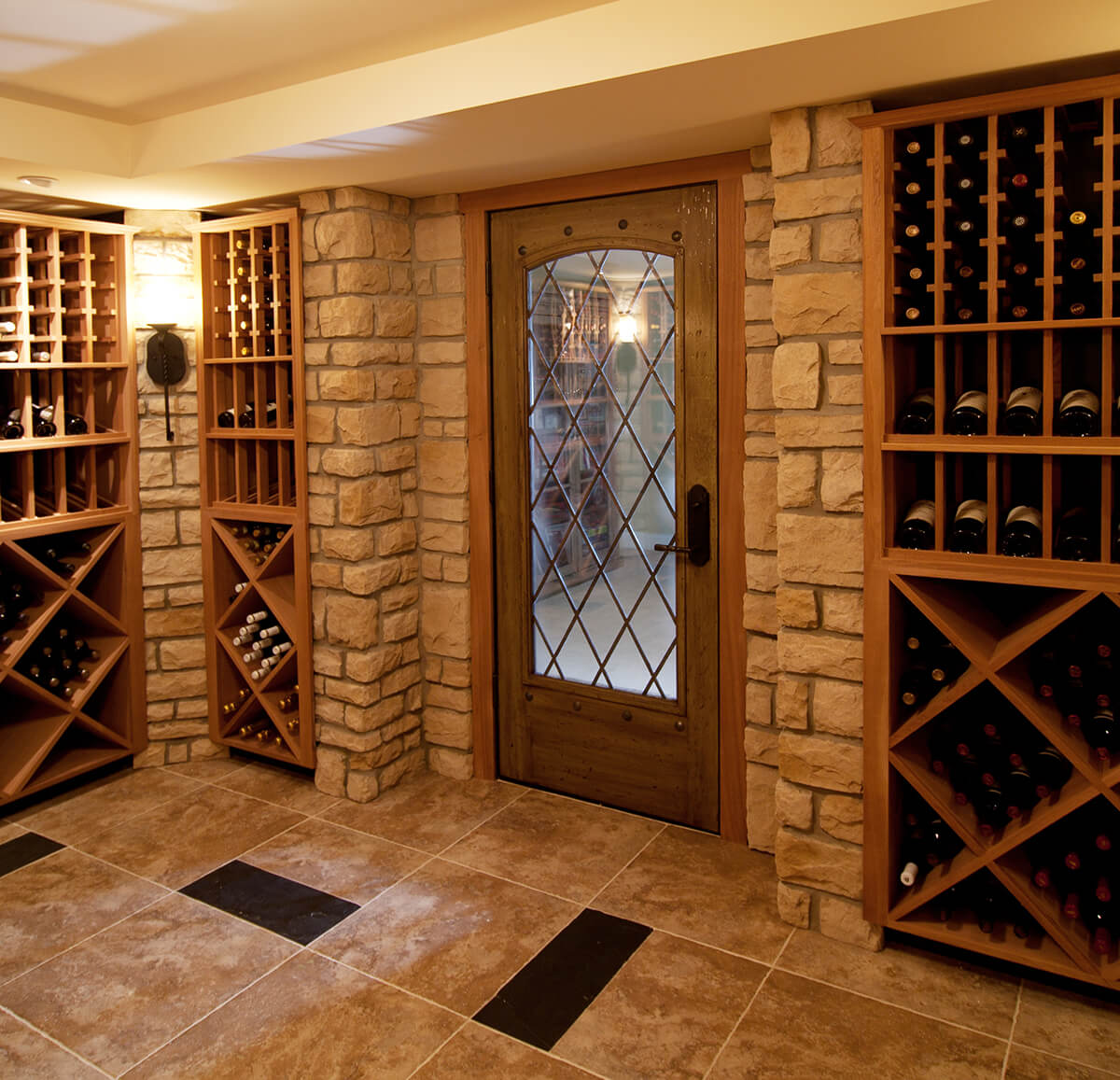
Custom painted interior doors in St. Louis
At Scobis Millwork + Design, we handcraft every interior door in our St. Louis facility, from species selection and milling through finishing and delivery. Whether you need a single statement door or doors for an entire home, we offer:
- Custom profiles and panel layouts (five-panel, flat-panel, craftsman, arched, and more)
- Species selection including poplar, soft maple, alder, walnut, oak, mahogany, and others
- Pre-primed paint-grade doors, ready for your final color on site
- Pre-hung units with custom jamb sizing for seamless installation
There are no overseas factories, no blind trust, and no surprises. You can visit our St. Louis shop, meet our craftsmen, and see work in progress before a single door is built.