
What Type of Glass Should I Choose for My Front Door?
Your front door does a lot of work. It’s the first thing visitors see, the barrier between your home and the outside world, and one of the biggest factors in how much light, privacy, and security your entryway offers. When you add glass to that equation, the decision gets more nuanced, but it doesn’t have to be overwhelming. So here’s a quick guide on the types of glass you can choose from for your front door.
We’ll walk you through every major type of glass used in front doors, what each one does well, and how to match the right choice to your home’s needs and style. Whether you’re building a new custom door or replacing an existing one, this is the starting point.

Why the glass in your front door actually matters
Most homeowners focus on the door itself, the wood species, the panel design, the hardware, and treat the glass as an afterthought. But the glass you choose has a direct impact on four things that matter every single day.
Privacy: How much can someone standing at your door see into your home? Depending on your neighborhood and how your entry is positioned, this can range from a minor consideration to a primary one.
Natural light: A glass panel can transform a dark entryway into a warm, inviting space. The type of glass determines how much light comes through and how it’s distributed.
Energy efficiency: Glass is one of the primary sources of heat gain and loss in a door. The right glazing keeps your home more comfortable year-round and reduces energy costs.
Safety and security: Not all glass breaks the same way. The treatment and construction of the glass affects how resistant it is to impact and how it behaves if it does break.
Once you understand what you’re optimizing for, choosing becomes much easier.
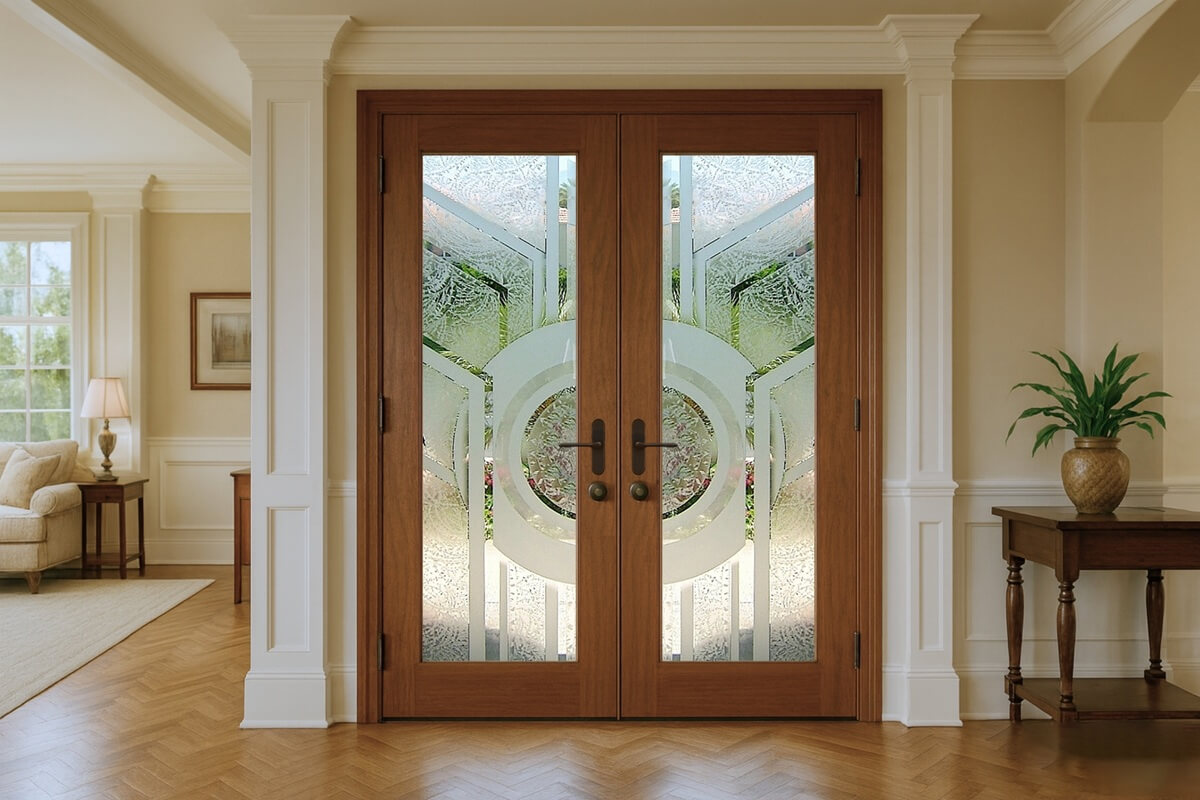
What are the main types of glass for front doors
Not all millwork serves the same purpose. Here’s a breakdown of the most impactful elements for texture and warmth, and where to use them:
Clear Glass
Clear glass is exactly what it sounds like. Transparent, unobstructed, and simple. It’s the most widely used option and the most affordable. If you want to see who’s at your door, enjoy an uninterrupted view of your front landscape, and bring in the maximum amount of daylight, clear glass delivers on all three.
The trade-off is privacy. Clear glass offers none. For doors that face a busy street or a neighbor’s sightline, that’s a meaningful limitation.
Best for: Homes with private entries, covered porches, or where visibility and light are the priority.
Textured and Patterned Glass
This is the broadest category and where most of the interesting decisions happen. Textured glass obscures direct visibility while still allowing light to pass through, the balance between the two varies by type.
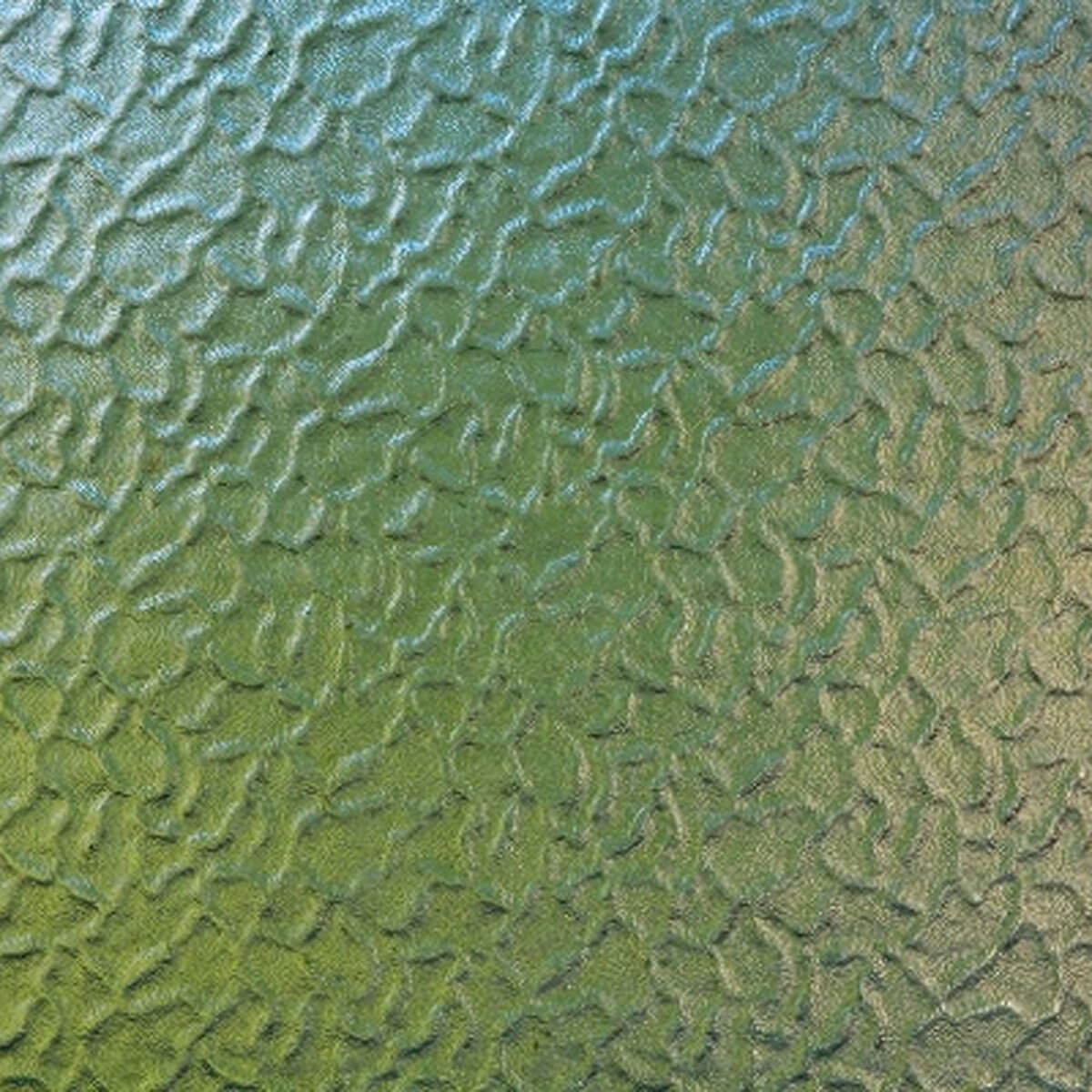
Flemish Glass:
Has a softly distorted, hand-blown appearance that mimics antique windowpanes. Light passes through beautifully, and while shapes can be faintly detected from outside, details are blurred. It suits traditional, craftsman, and cottage-style homes particularly well.
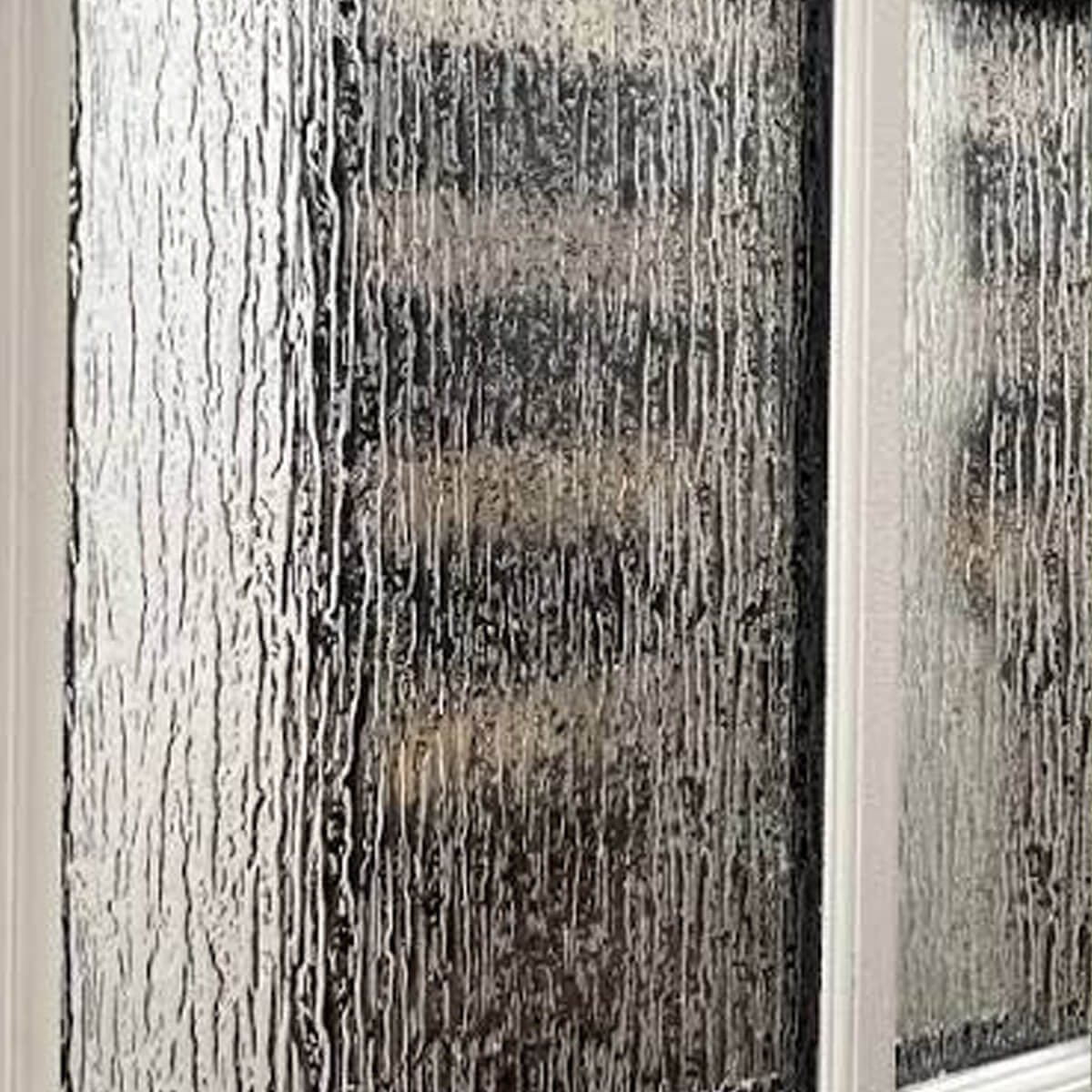
Rain Glass:
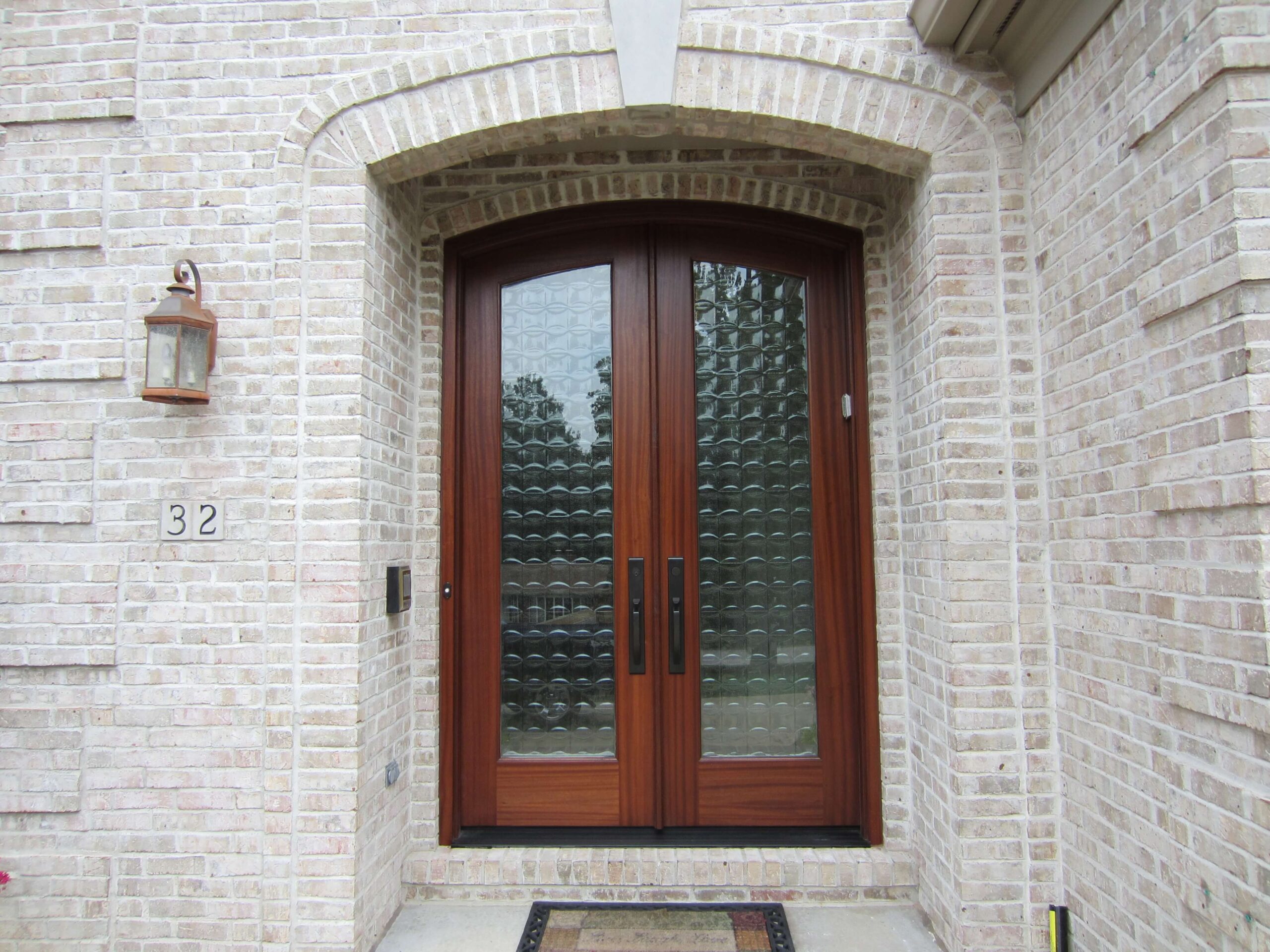
Features a vertical wave pattern on one side that resembles falling water. It provides solid privacy while diffusing light gracefully. It’s known for its durability and works well in humid climates.

Reeded Glass:
Runs ribbed grooves vertically (or horizontally in some applications), creating a clean, linear texture that feels both contemporary and elegant. It’s one of the better options for modern or mid-century homes that still want some visual interest in the glass.
Contact Our Team!
Whether your door needs a professional refinish or a full custom replacement, we’d love to take a look. Don’t hesitate in contacting us and one of our experts will be in touch shortly.
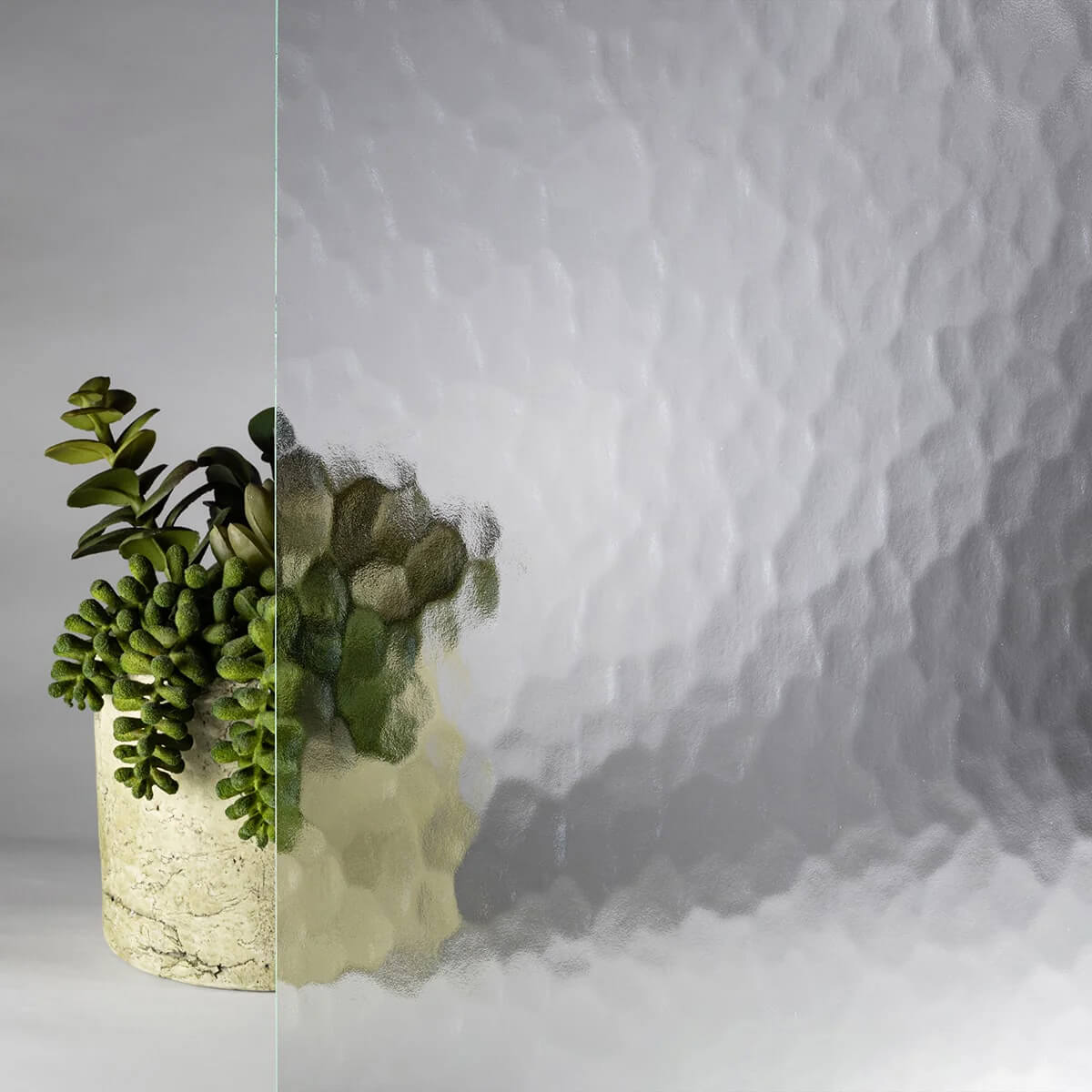
Aquatex Glass:
Has a rippled, water-like surface that’s subtle and versatile. It blurs outlines without the heaviness of more deeply textured options, making it a good middle ground for transitional home styles.
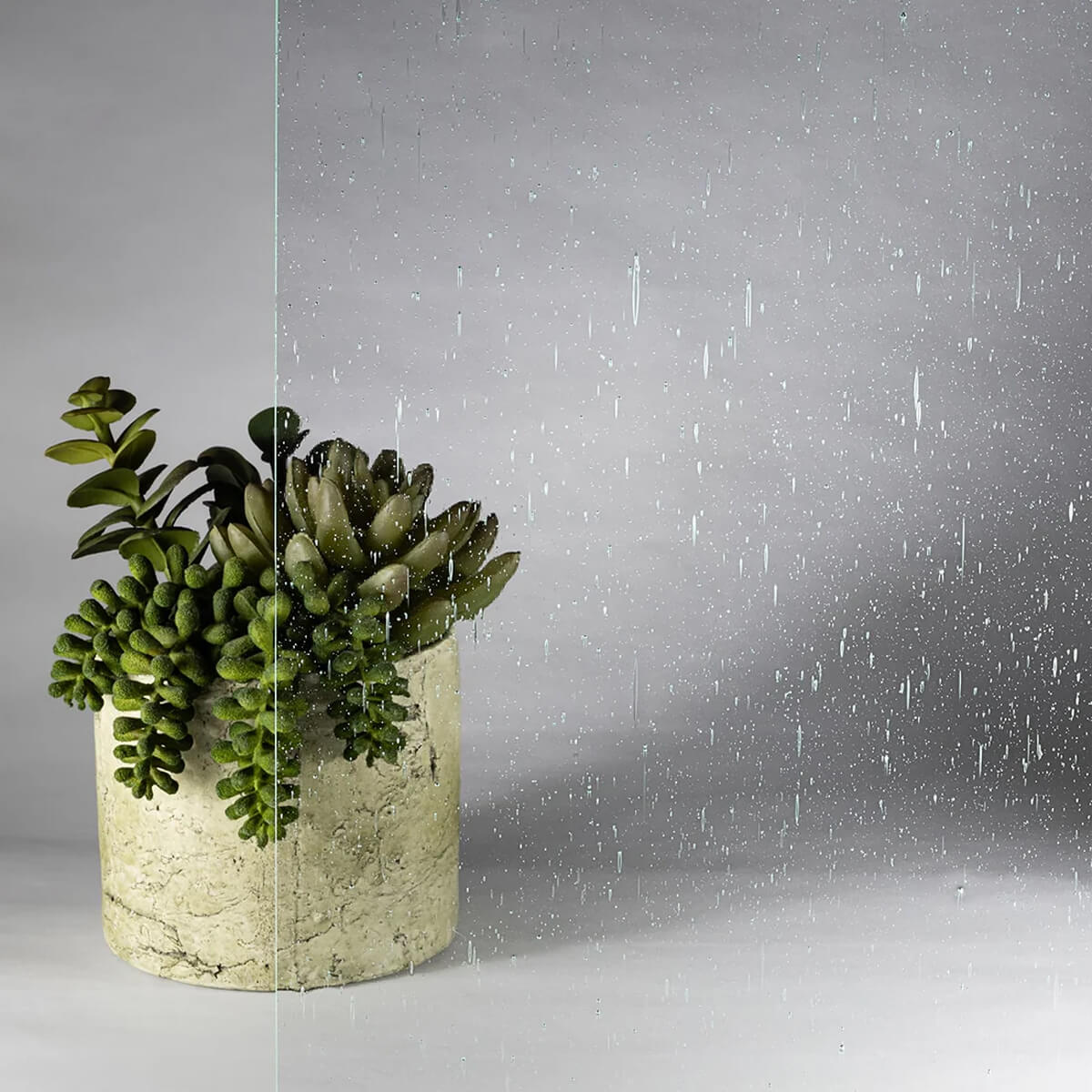
Seedy Baroque Glass:
Mimics antique hand-blown glass with visible air bubbles and slight waves throughout. No two panes are alike, which gives it a genuinely artisanal quality. It’s ideal for rustic, historic, or vintage-inspired homes.
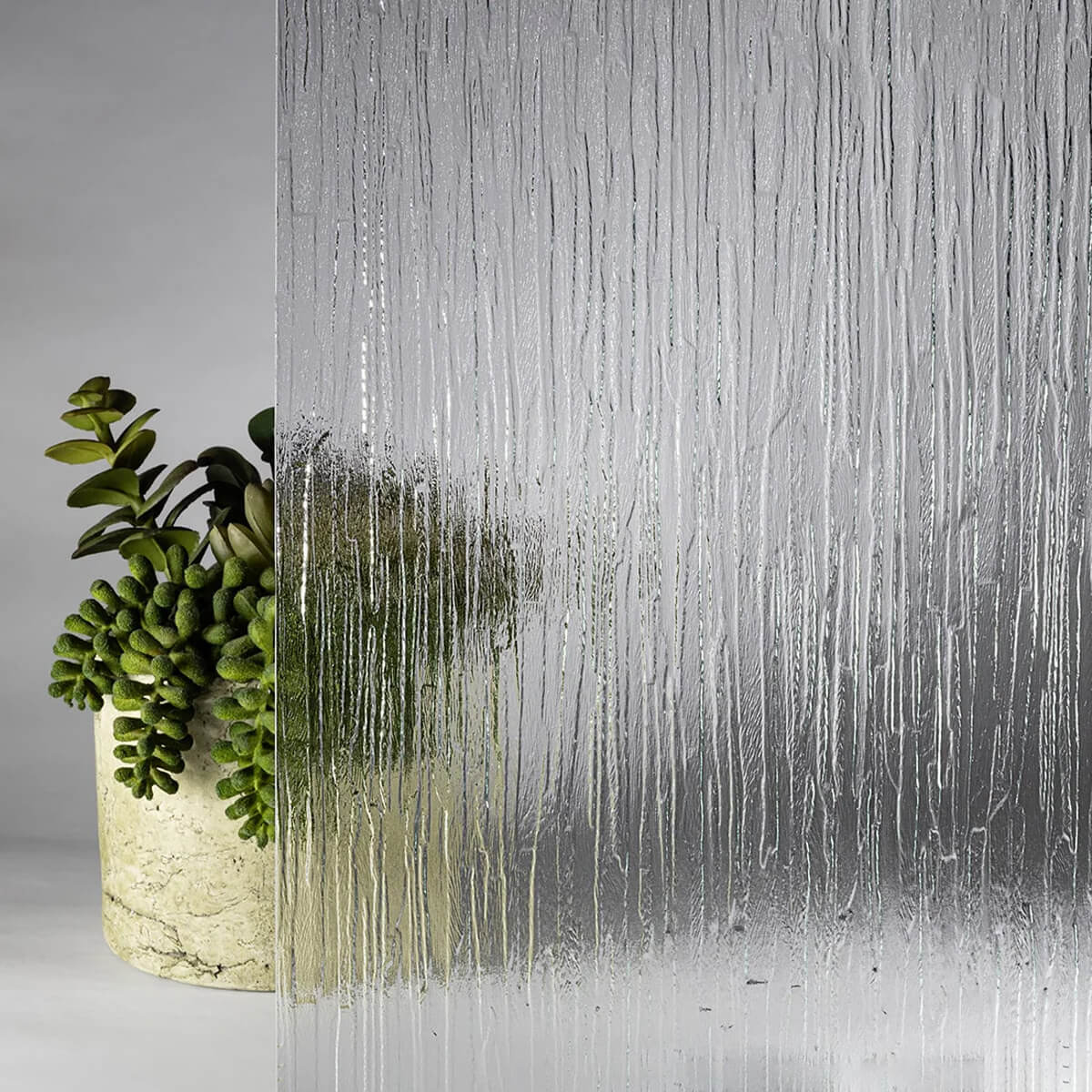
Cotswold Glass:
Features deep, bark-like vertical striations that provide strong privacy and a distinctly organic, Old World character. It’s one of the most opaque textured options while still transmitting ample daylight.
Best for: Homeowners who want privacy without sacrificing light, or who want the glass to be a design element in its own right.
What is Low-E Glass and does it make a difference on a front door
Low-emissivity (Low-E) glass has an invisible metallic coating that reflects infrared and UV light while allowing visible light through. In practical terms, your home stays cooler in summer, warmer in winter, and your interior furnishings are protected from UV fading.
Low-E glass can be applied to clear or textured glass and is often paired with insulated (double-pane) units for maximum efficiency. It’s particularly valuable for doors that face direct sunlight for extended parts of the day.
Best for: Energy-conscious homeowners, homes in climates with significant temperature extremes, and doors in direct sun exposure.
What is the difference between single pane and insulated glass
Insulated glass units (IGUs) consist of two or more panes separated by an air gap or inert gas, typically argon. That gap acts as a thermal barrier, dramatically improving insulation compared to single-pane glass.
For any exterior door, insulated glass is worth serious consideration. A single-pane glass insert, regardless of how beautiful it looks, is a significant thermal weak point. Double-pane upgrades the insulation performance considerably; triple-pane takes it further, though with added weight and cost.
Best for: Any exterior application where energy performance matters, which is most of them.
Contact Our Team!
Whether your door needs a professional refinish or a full custom replacement, we’d love to take a look. Don’t hesitate in contacting us and one of our experts will be in touch shortly.
What is the difference between tempered and laminated glass
They’re about how the glass is constructed and how it behaves under stress.
Tempered glass has been heat-treated to make it several times stronger than standard glass. If it does break, it shatters into small, rounded granules rather than sharp shards, a meaningful safety benefit near entry points. Most code-compliant door glass is tempered by default.
Laminated glass sandwiches a plastic interlayer between two panes. When broken, the glass fragments stay bonded to the interlayer rather than scattering. This makes it significantly harder to breach, relevant both for security and for impact resistance in storm-prone regions.
Best for: Any exterior door application. Tempered is the baseline; laminated adds security and impact resistance where those matter.
What about decorative glass options like stained or leaded glass?
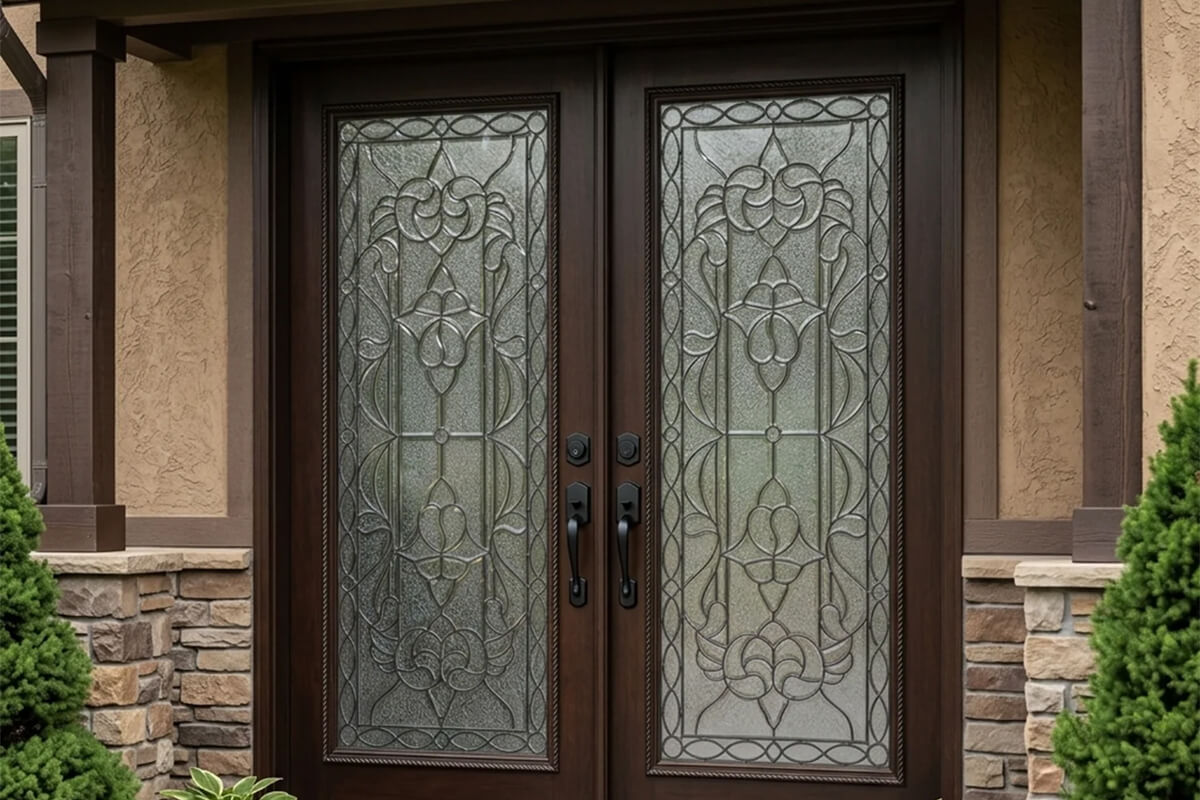
Stained glass and leaded glass occupy a different category, less about function, more about making a genuine design statement. Stained glass uses metallic salts during manufacturing to produce color; leaded glass assembles individual glass panels with lead came.
Both are associated with craftsman, historic, and ecclesiastical architecture. They require skilled fabrication and, depending on the application, may have limitations around climate and impact resistance that are worth discussing with your door maker before committing.
Comparison of every glass type for your front door
| Glass Type | Privacy Level | Natural Light | Energy Efficiency | Best Architectural Fit |
|---|---|---|---|---|
| Clear | None | Maximum | Low | Any style |
| Clear Low-E | None | Maximum | High | Modern, eco-conscious |
| Flemish | Medium | High | Depends on pane | Traditional, Craftsman, Cottage |
| Rain | High | Medium-High | Depends on pane | Craftsman, Cottage, Traditional |
| Reeded | Medium-High | Medium-High | Depends on pane | Modern, Mid-Century, Transitional |
| Aquatex | Medium | High | Depends on pane | Transitional, Coastal, Contemporary |
| Seedy Baroque | Medium | High | Depends on pane | Rustic, Historic, Vintage |
| Cotswold | Very High | Medium | Depends on pane | Farmhouse, Cottage, Old World |
| Tempered | Safety treatment — applies to any glass type above | All styles | ||
| Laminated | Security upgrade — applies to any glass type above | All styles | ||
| Insulated (IGU) | — | — | Very High | All styles (performance upgrade) |
| Stained / Leaded | High | Filtered | Low | Craftsman, Historic, Ecclesiastical |
Which glass is right for your home?
Rather than starting with a glass type and working backward, start with your priorities.
If privacy is your primary concern: Look at Flemish, Rain, Cotswold, or Reeded glass. Each offers meaningful obscurity while keeping your entryway bright.
If you want maximum light with minimal visual distortion: Clear or Clear Low-E is your answer. Add a textured option if you need some privacy without losing too much brightness.
If energy efficiency drives the decision: Specify insulated (double-pane) glass with a Low-E coating. This applies regardless of which aesthetic style you choose.
If security or storm resistance matters: Laminated safety glass is the upgrade to consider. It can be combined with most aesthetic options.
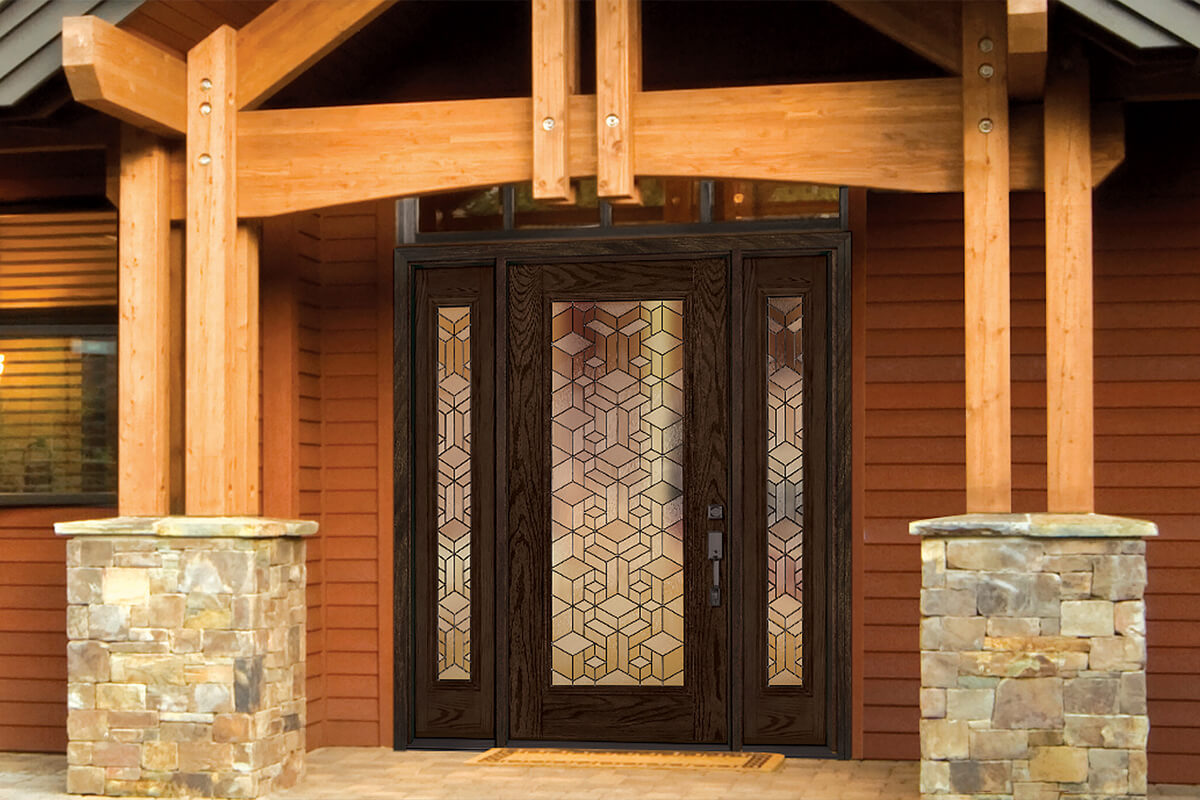
If the door is a design feature: Textured and specialty glass options like Seedy Baroque, Aquatex, or leaded glass give the entry a genuinely distinctive character.
In most cases, the right answer combines elements from more than one category. A Flemish-textured, double-pane, tempered unit, for example, covers aesthetics, privacy, efficiency, and safety in a single specification.
Not sure which species is right for you?
Scobis offers physical samples and specification guides so you can see and feel the difference before committing to a direction.
What glass works best for front doors in St. Louis?
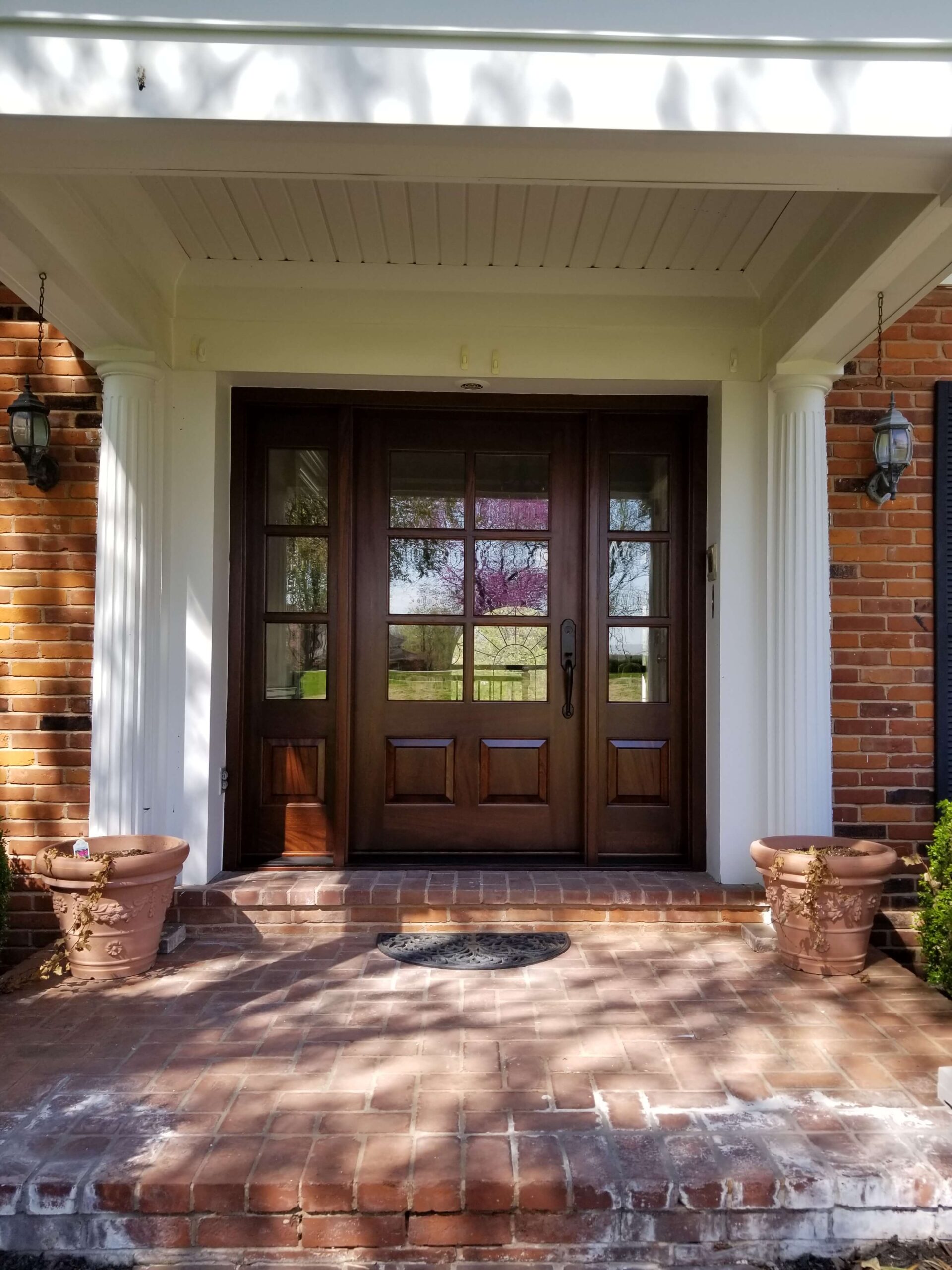
In the St. Louis area and across the Midwest, front doors deal with a specific climate reality. Hot, humid summers and cold winters create significant thermal stress on door components, glass included. That seasonal swing makes insulated glass more than a nice-to-have, it’s the specification that keeps your door performing well year-round.
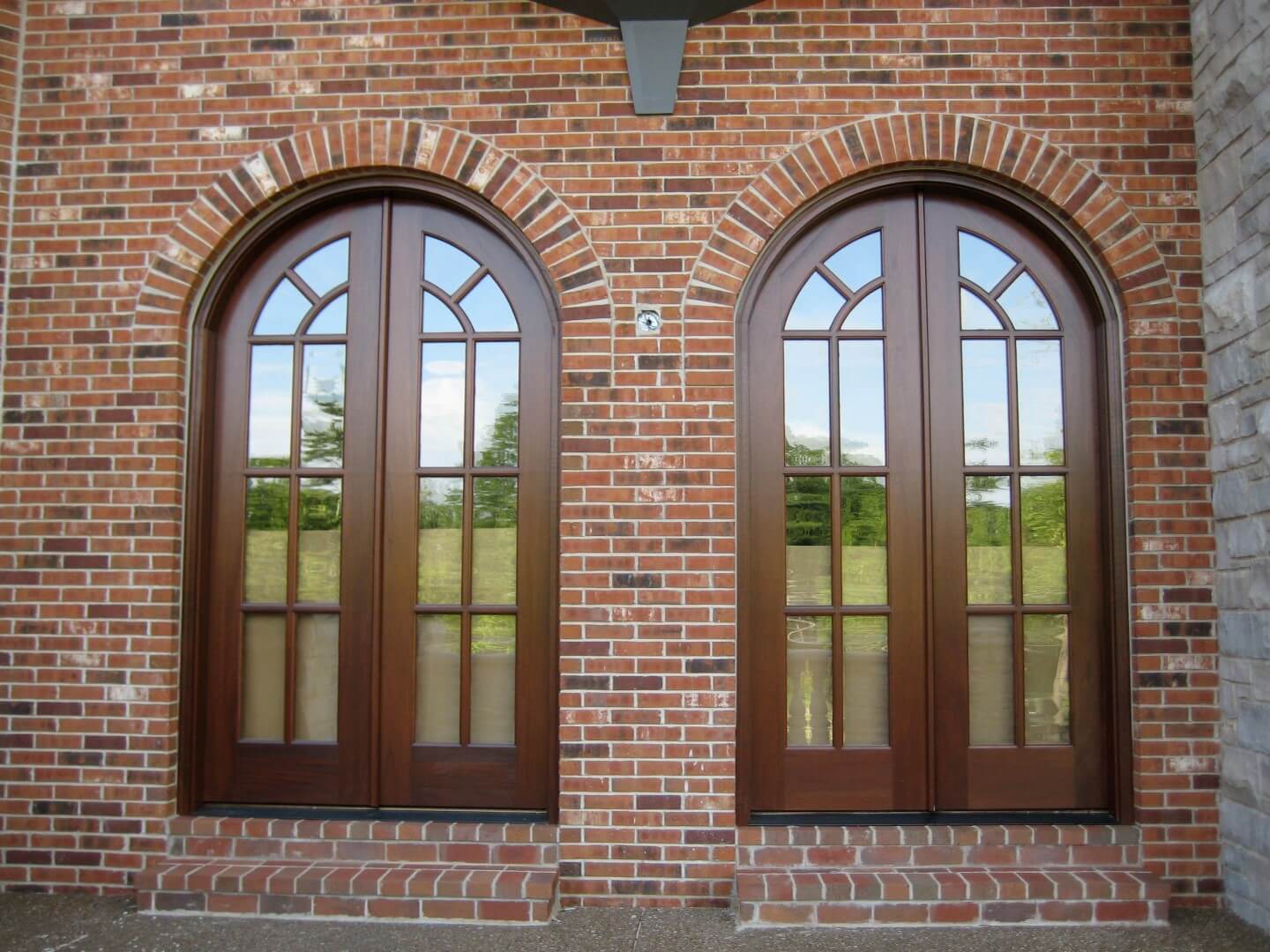
Each of those styles has a glass aesthetic that complements it. If you’re working on a traditional or heritage-style home, textured options like Flemish or Seedy Baroque integrate naturally. For contemporary builds, Reeded or clear insulated glass tends to feel more at home.
If you’re navigating a custom door project in the region, working with a builder who understands both the design intent and the local climate performance requirements makes a significant difference in the result.
Ready to go deeper on a specific glass type
This guide gives you the full picture. From here, each glass type deserves its own closer look. The character of Flemish glass, the practicalities of laminated vs. tempered, the role of Low-E coatings in different climates. We’ll be covering each of those in depth in the articles that follow.
If you’re already working through a door project and want to talk through the right glass specification for your specific situation, reach out to the Scobis team. Every door we build is custom and that includes helping you make the right call on the glass.