
Which Exterior Door Finishes Actually Last?
(St. Louis Homes)
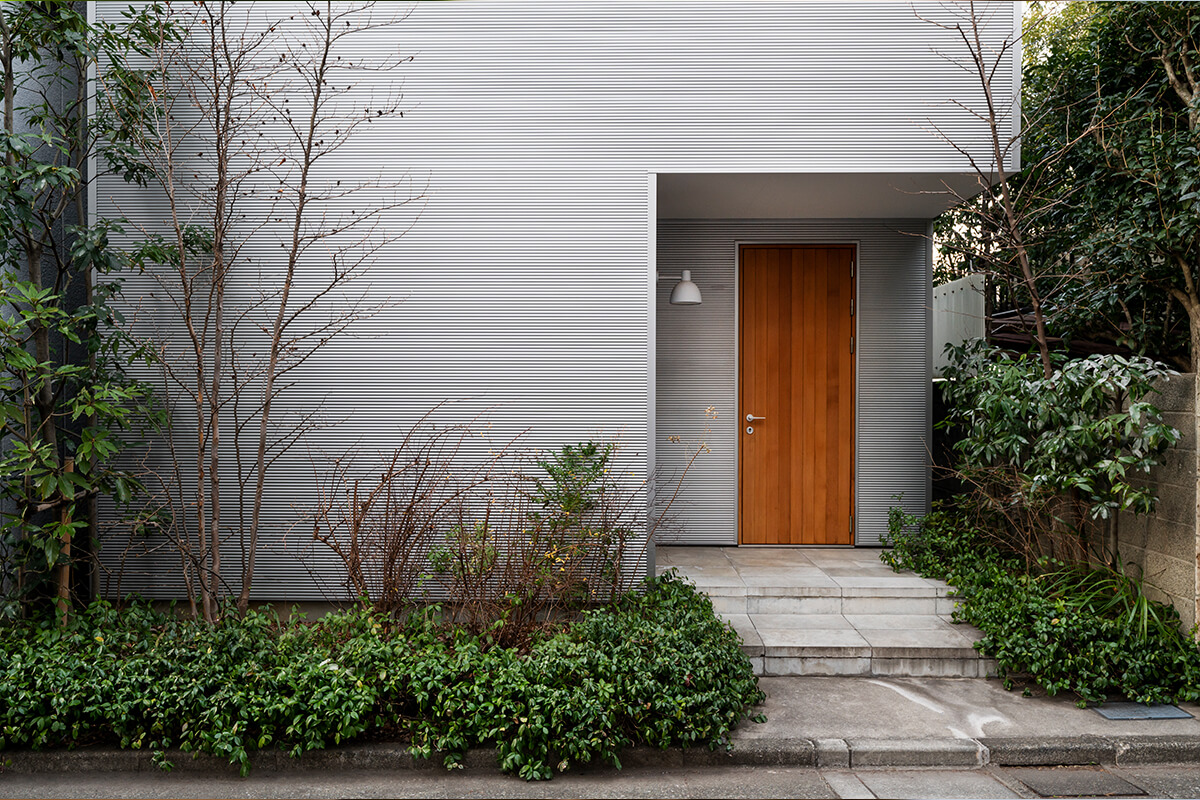
Your front door is one of the first things people notice about your home. It takes the full force of St. Louis weather, from scorching July heat to icy February winds, every single day. So when it comes to protecting that investment, the exterior door finishes you choose matter more than most homeowners realize.
The most common question we hear at Scobis is: “Should I use spar varnish, polyurethane, or just paint my door?” The honest answer depends on your wood species, sun exposure, and how much maintenance you’re willing to do. Let’s break it all down, with real numbers, real tips, and no fluff.
Why does your door's finish fail in the first place?
Before comparing products, it’s worth understanding what causes finishes to break down. Most failures come from one or more of these four culprits:
- UV exposure: Sunlight breaks down the binders in most coatings, causing fading, chalking, and peeling, especially on south- and west-facing doors.
- Moisture cycling: Wood expands and contracts as it absorbs and releases moisture. A rigid finish that can’t flex will crack along the grain over time.
- Heat buildup: Dark-painted doors in direct sun can reach surface temperatures above 160°F, softening or blistering many topcoats.
- Poor prep: Even the best finish fails in two years if applied over bare, wet, or contaminated wood. Surface prep is 80% of the job.
Pro Tip: Before applying any finish, sand down to bare wood with 120-grit, then 220-grit. Wipe clean with a tack cloth and apply a wood conditioner or sealer as a base coat. Skipping this step is the #1 reason DIY refinishes look great for 6 months, then fail.
Spar Varnish vs. Polyurethane vs. Paint
| Finish Type | Lifespan | UV Resistance | Maintenance | Best For |
|---|---|---|---|---|
| Spar Varnish | 2–3 years | High | Low | Covered entries, grain showcase |
| Exterior Polyurethane | 3–5 years | Very High | Medium | Best balance of beauty & durability |
| Exterior Paint | 5–7 years | Medium | Low–Medium | Most color choices, full sun exposure |
| Oil / Penetrating Finish | 1–2 years | Medium | Very Low | Easy DIY refresh, natural look |
Spar Varnish: The classic, but high-maintenance choice
Originally developed for boat spars (masts and booms), spar varnish is formulated with oils that allow it to flex as wood moves. That flexibility is its superpower, and its weakness. Because it stays slightly soft, it attracts dirt and breaks down faster in intense UV.
When spar varnish makes sense:
- Covered entryways or recessed door openings with little direct sun
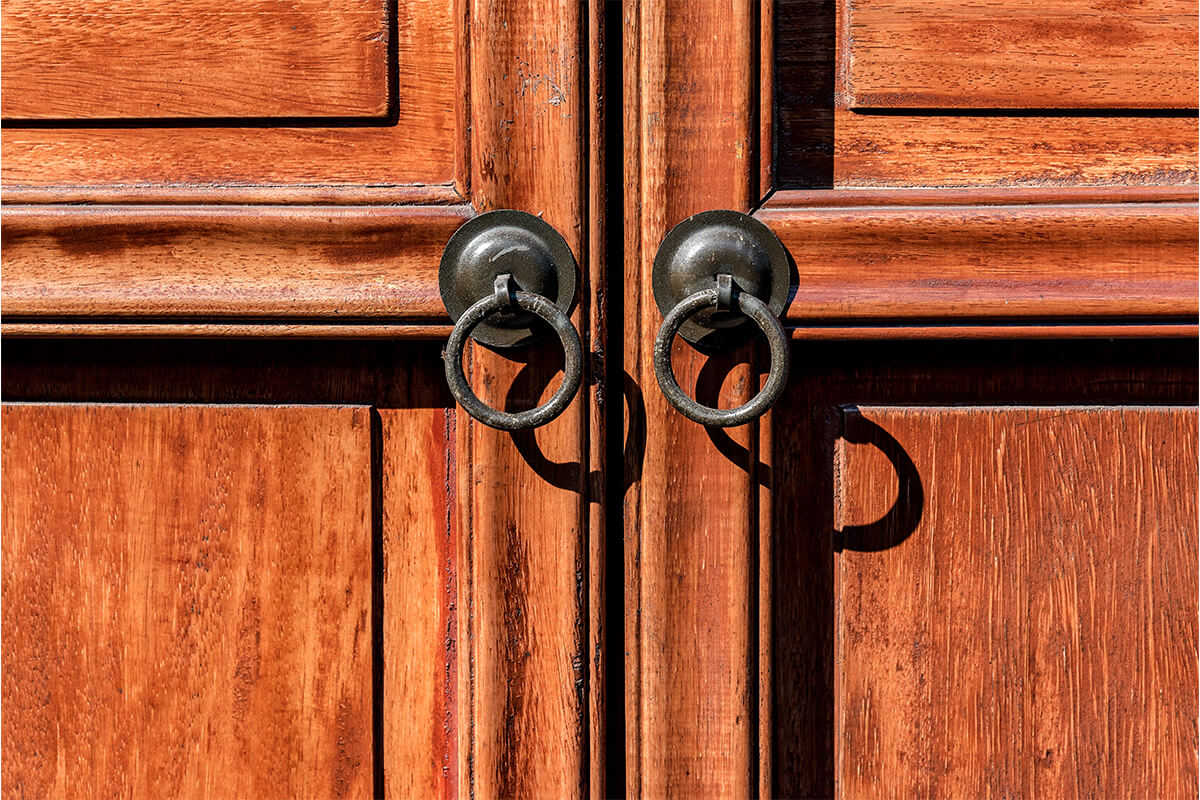
- Mahogany, walnut, or cherry doors where you want to showcase the grain
- Homeowners who enjoy hands-on seasonal maintenance
How to Apply Spar Varnish Correctly:
- Apply 3–4 thin coats rather than 1–2 thick ones
- Sand lightly between coats with 320-grit paper
- Apply in temperatures between 50°F–85°F with low humidity
- Recoat every 18–24 months before it starts peeling. Don’t wait for failure
Exterior Polyurethane: The workhorse finish
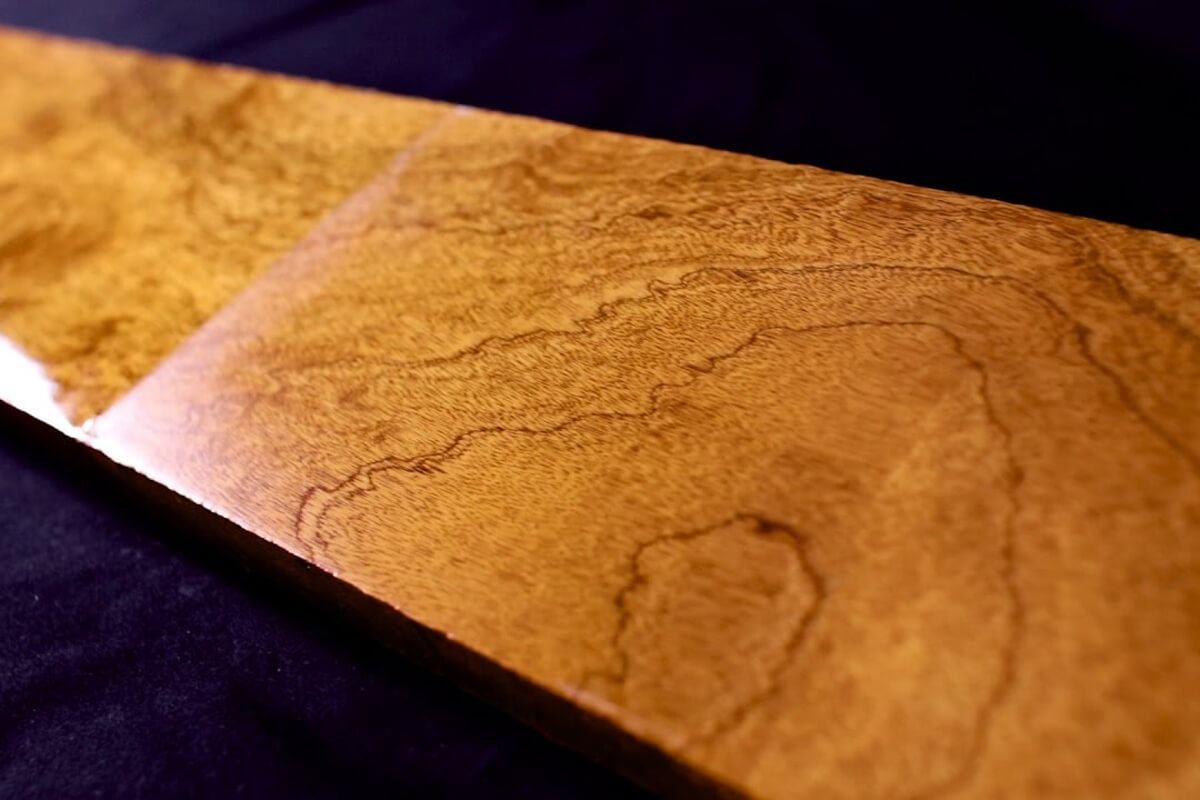
Exterior-grade polyurethane (not the interior version, that’s a critical distinction) creates a harder, more durable film than spar varnish. It resists UV and moisture better, and modern water-based formulas have closed much of the flexibility gap. At Scobis, we apply three coats of exterior urethane as our standard topcoat, it’s the finish that performs year after year in the St. Louis climate.
When exterior polyurethane makes sense:
- Exposed doors with direct sun exposure
- Homeowners who want 3–5 years between full refinishes
- High-traffic doors where abrasion resistance matters
- Any premium hardwood door like oak, sapele, mahogany, where you want lasting protection without sacrificing beauty
Pro Application Tips:
- • Always use exterior-grade, not interior polyurethane, the difference is UV inhibitors
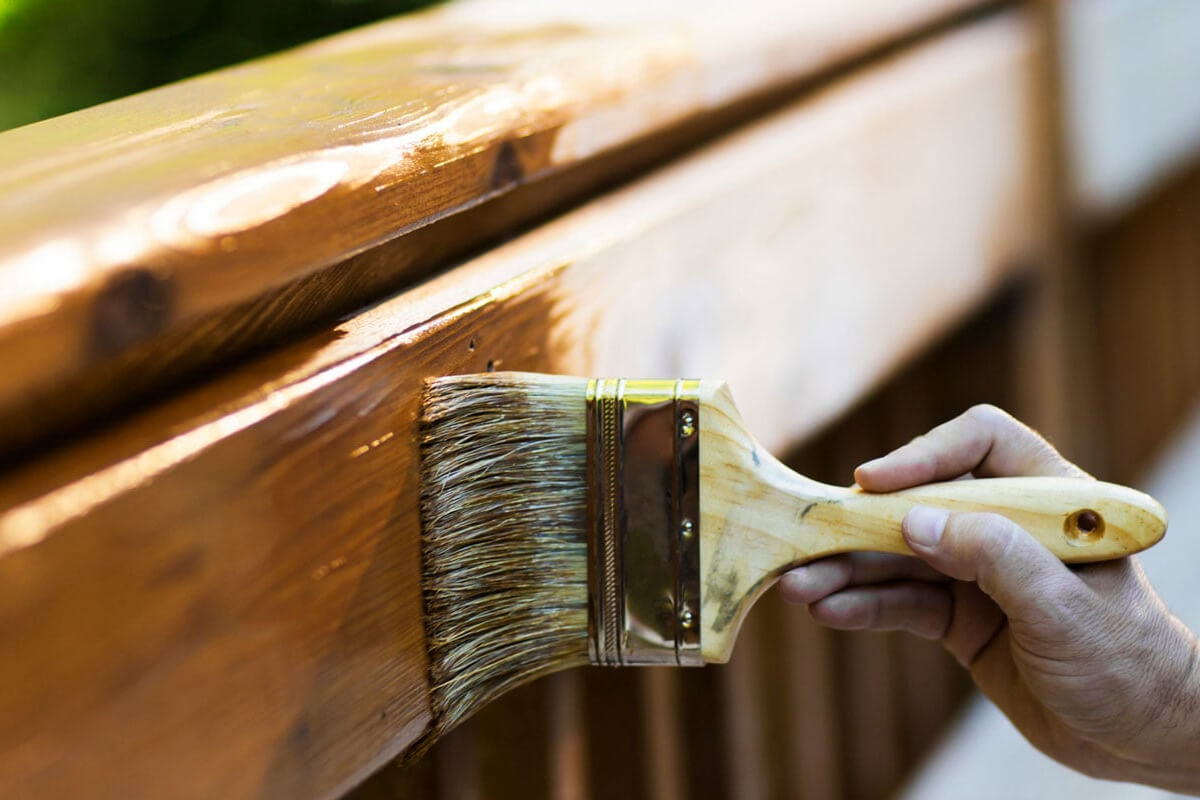
- Apply with a high-quality natural bristle brush in long, even strokes with the grain
- 3 coats minimum, thin coats bond better and are less prone to peeling
- After 2 years, do a simple refresh: clean, lightly scuff with 400-grit, and apply one maintenance coat
Exterior Paint: Longest life, most color options
A quality exterior paint, 100% acrylic latex in a semi-gloss or satin finish, is the longest-lasting option when applied correctly. Paint hides the wood grain, which some homeowners see as a drawback, but it also seals out moisture more consistently and stands up to heat better than most clear finishes.
When exterior paint makes sense:
- South-facing doors or any door in full direct sun
- Fiberglass or steel doors (paint is actually the ideal finish for these)
- Homeowners who prefer low maintenance and infrequent touch-ups
- Custom color statements like paint opens up virtually unlimited color matching
How to Get a Paint Job That Lasts 7+ Years:
- Prime bare or stripped wood with an oil-based primer, it penetrates deeper and bonds better than latex primer
- Use a door-specific formula rated for direct sun exposure
- Apply 2 finish coats, the second coat is what gives you durability, not thickness in a single coat
- For dark colors (navy, black, forest green), verify the paint’s solar reflectance index to avoid heat blistering
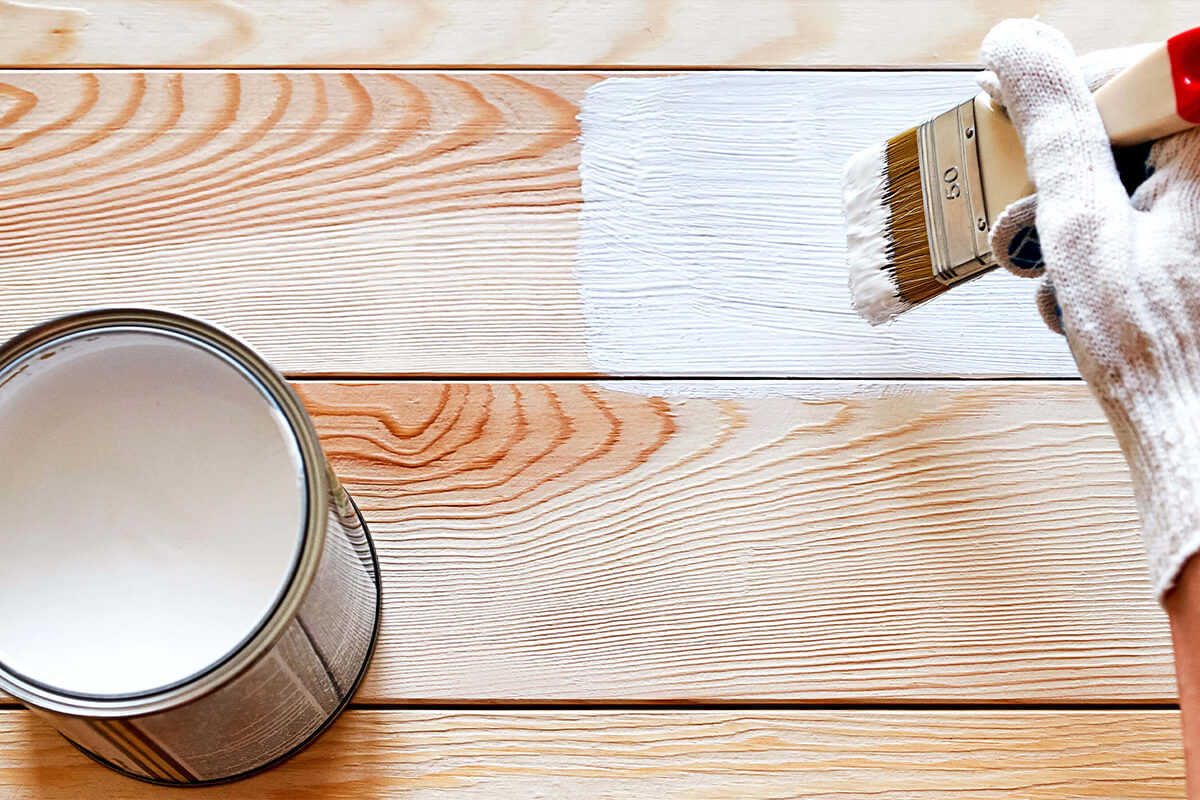
What finish works best for St. Louis weather?
St. Louis sits in a tough climate zone for exterior wood. Summers are hot and humid, winters are cold and dry, and the city averages over 200 frost-thaw cycles per year. That constant expansion and contraction is brutal on rigid finishes.
Our recommendation for most St. Louis homes: exterior polyurethane on custom wood doors in covered entryways, and premium exterior paint on fully exposed or south-facing doors. The goal is always to choose a finish that moves with the wood, not against it.
One thing that consistently extends finish life in our climate is a quality storm door or deep porch overhang. Shading your door from afternoon sun alone can double the interval between refinishes.
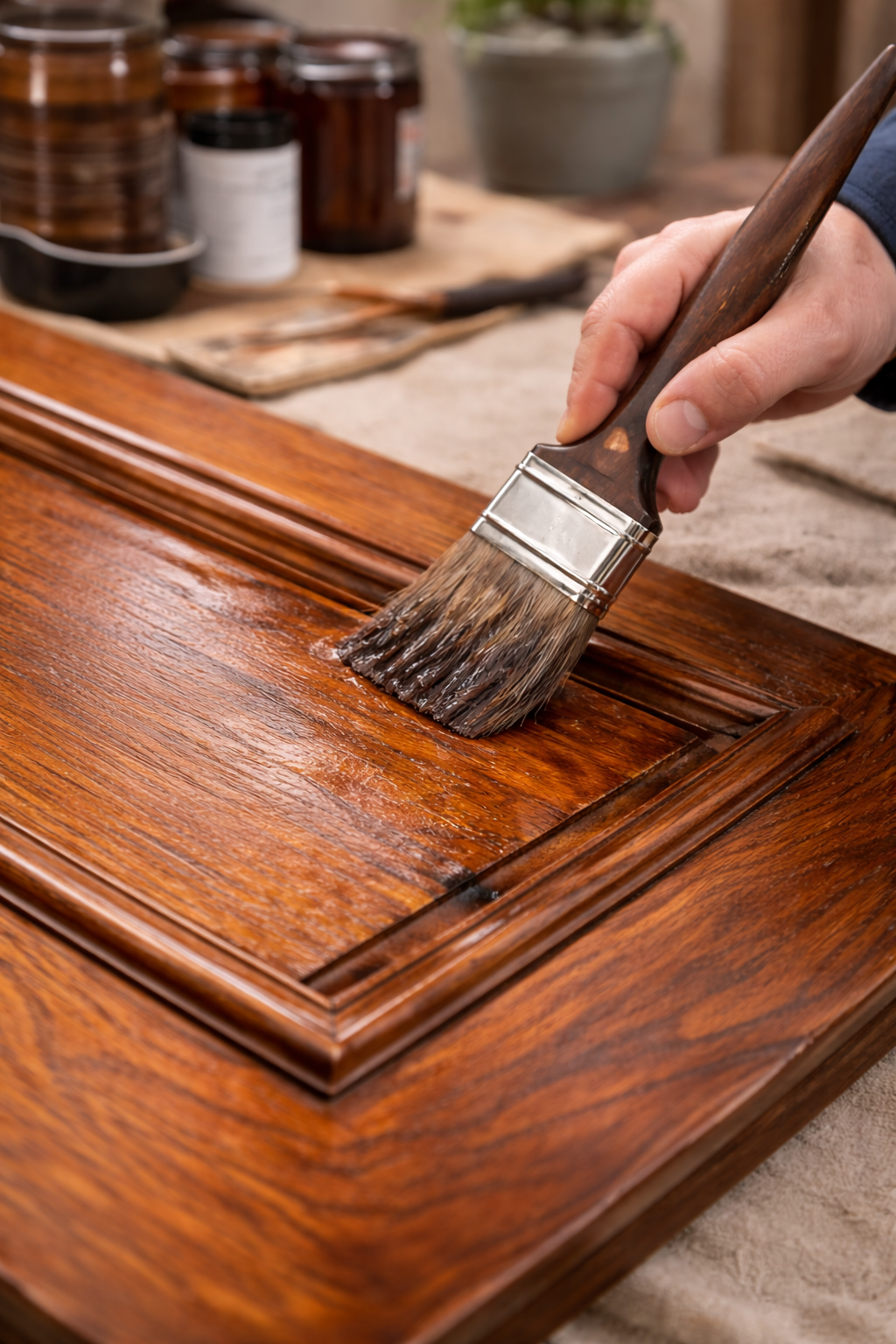
How often should you refinish an exterior wood door?
| Finish | Inspect Every | Touch-Up Method | Best Season |
|---|---|---|---|
| Spar Varnish | Every 6 months | Light sand + recoat | Spring & Fall |
| Exterior Polyurethane | Once a year | Clean + spot recoat | Spring |
| Exterior Paint | Every 1–2 years | Touch up chips/cracks | Spring |
| Oil Finish | Every 6 months | Reapply coat | Spring & Fall |
The single most important maintenance habit: inspect your door every spring. Run your hand along the edges and bottom rail, these areas fail first because end grain absorbs moisture readily. If you catch peeling or checking early, a light sand and a single recoat takes a couple of hours. If you wait until the wood is gray and cracked, you’re looking at a full strip and refinish or door replacement.
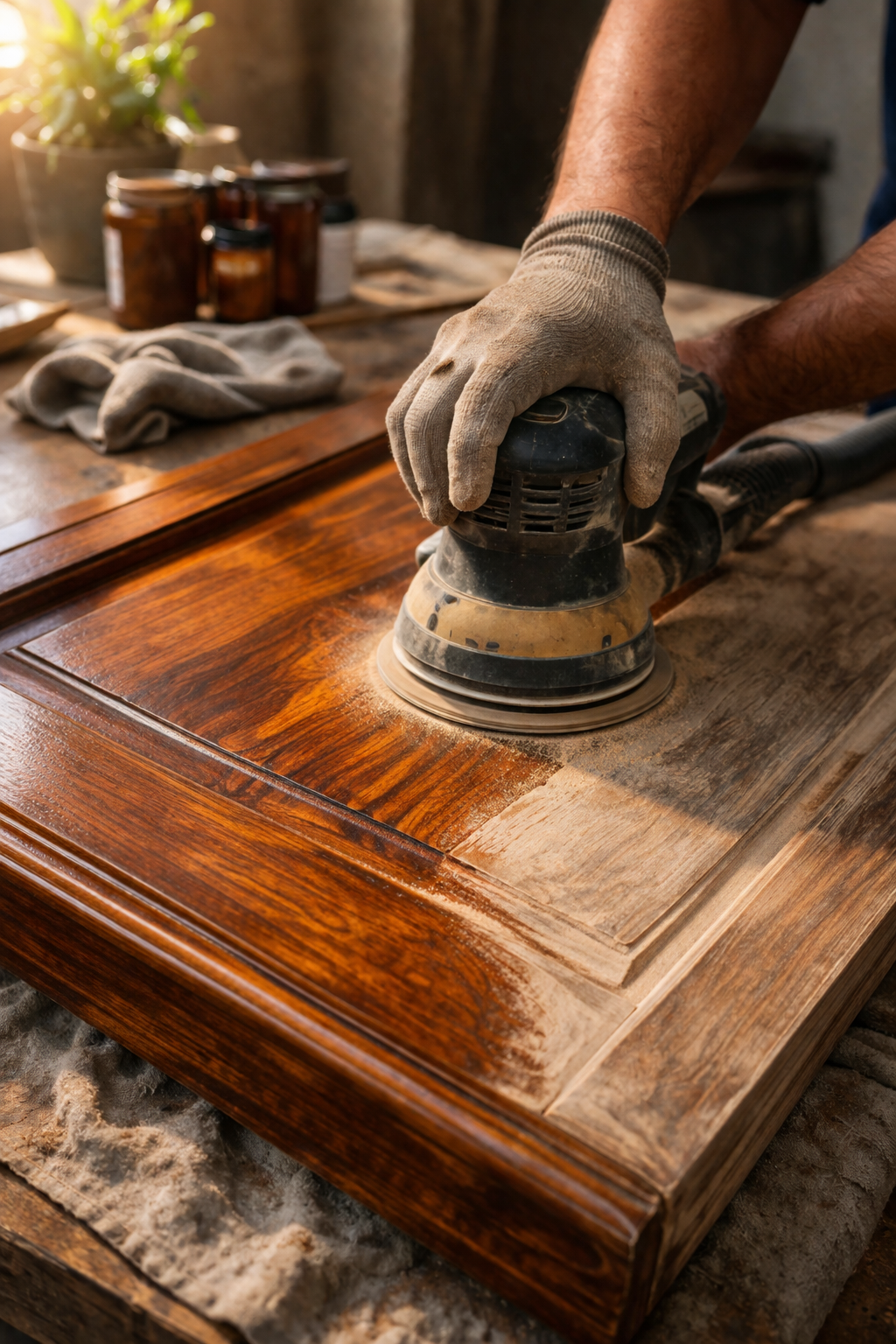
When is it time to replace instead of refinish?
Refinishing can only do so much. If your door has any of the following, a new custom door is likely a better investment than another refinish:
- Deep checking or cracks: Cracks running through the panel depth allow water infiltration, no finish seals this long-term.
- Rot in the bottom rail or stiles: Soft, spongy wood means structural integrity is compromised.
- Gaps or drafts around the frame: Warping beyond adjustment means the door won’t seal properly regardless of how well it’s finished.
- Energy loss: An older solid wood door without proper weatherstripping and an insulated core can cost more in energy bills than a replacement saves.
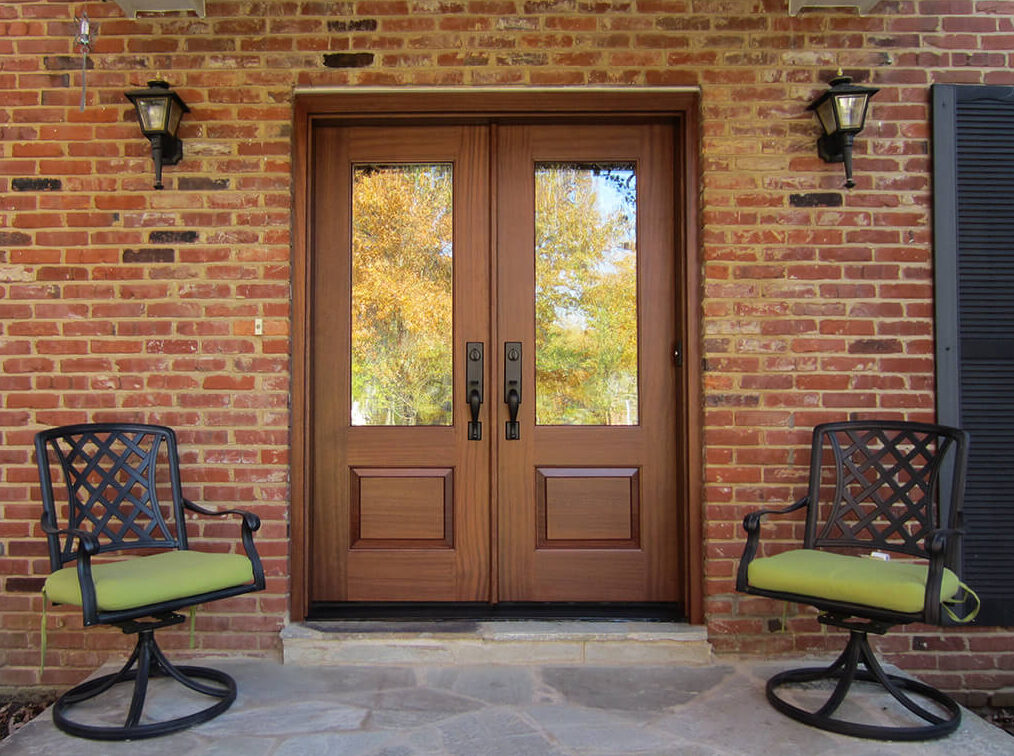
When is it time to replace instead of refinish?
At Scobis Millwork + Design, every custom door we build leaves our St. Louis workshop with a multi-stage finish system specifically engineered for our climate. We don’t use one-size-fits-all coatings, we match the finish to the wood species, the door’s orientation, and your home’s architecture.
Whether you’re protecting an existing door or investing in a new custom entryway, our team is here to guide you, from wood selection and finish specification to installation and long-term care. Visit our St. Louis facility, see the work in progress, and meet the craftsmen who will build your door.