
Why Fluted and Reeded Panels Are Making a Comeback in 2026?
For years, flat walls and matching millwork ruled interior design. Now the shift is toward texture, dimension, and detail that catches light. That’s exactly why fluted and reeded panels are showing up everywhere, from kitchen islands to statement entryways.
We’re seeing it in cabinetry, wall paneling, ceiling beams, doors, and trim. Not a throwback to Roman columns, but a refined architectural detail that makes a space feel intentional and custom.
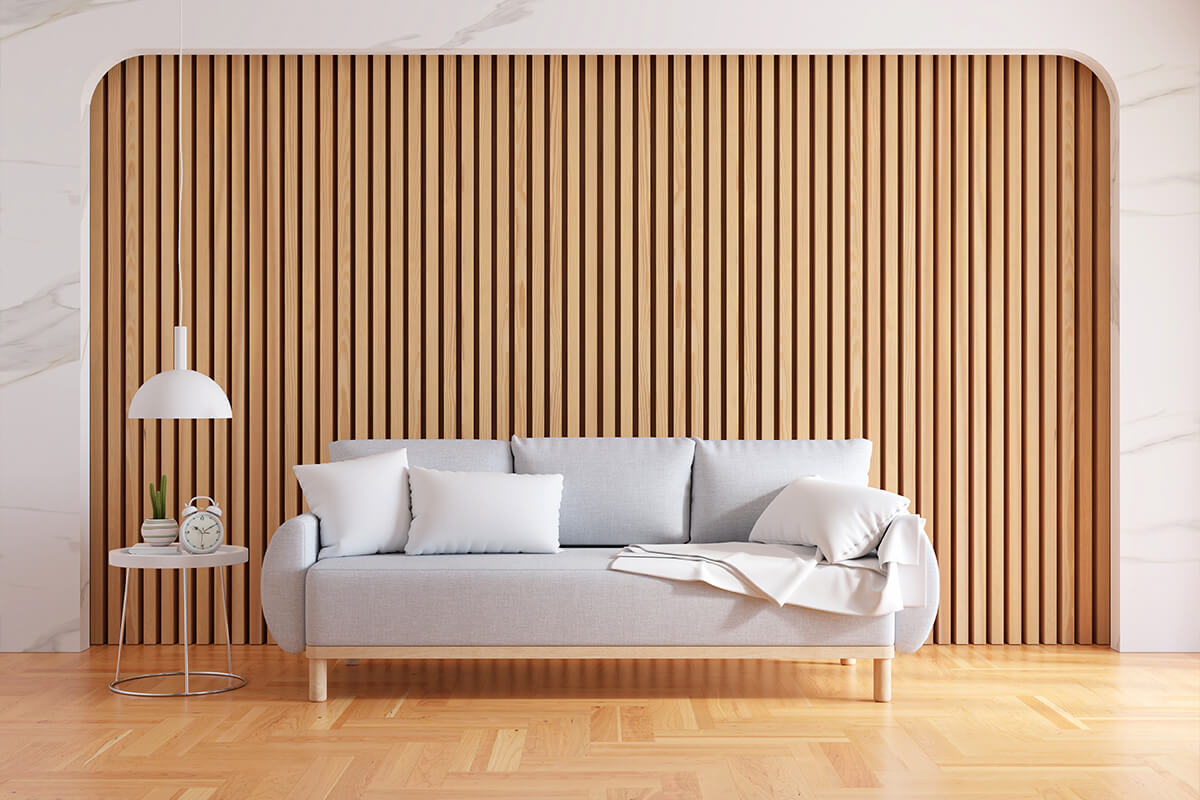
What "Fluted and Reeded" Really Means
Both profiles start from the same idea, which is that carving repeated vertical lines into wood to create rhythm and shadow. The difference is in the shape.
Fluted panels feature concave grooves, meaning the channels curve inward. This creates deeper shadow lines and a bolder, more architectural look, closer to the classical columns the style borrows from.
Reeded panels feature convex ridges, meaning the wood rounds outward in soft, repeating curves. This gives a gentler, more tactile texture that reads as refined rather than dramatic.
Neither is better. They just solve different design problems.
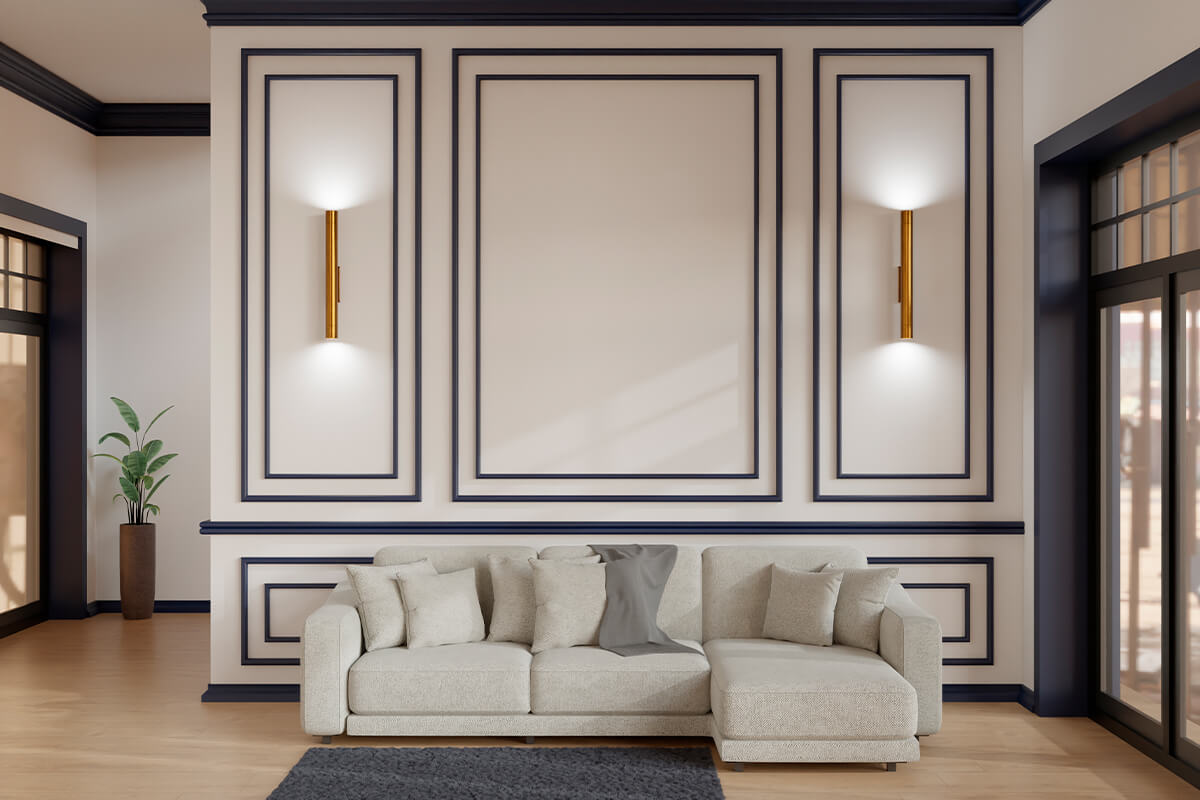
Why This Trend Is Back in 2026
Modern interiors can feel flat, especially in spaces built around clean lines and minimal detail. Fluted and reeded panels solve that by adding:
- Depth without clutter: The grooves do the visual work; no extra ornamentation needed.
- Warmth: Real wood species like walnut, oak, and white oak bring natural texture that painted drywall can’t replicate.
A tactile, high-end feel. These panels photograph well and read as custom, not catalogue.
It also pairs naturally with 2026’s move toward curved furniture, rounded sofas, and softer architectural lines, since the vertical rhythm of fluted and reeded profiles complements those organic shapes instead of competing with them.
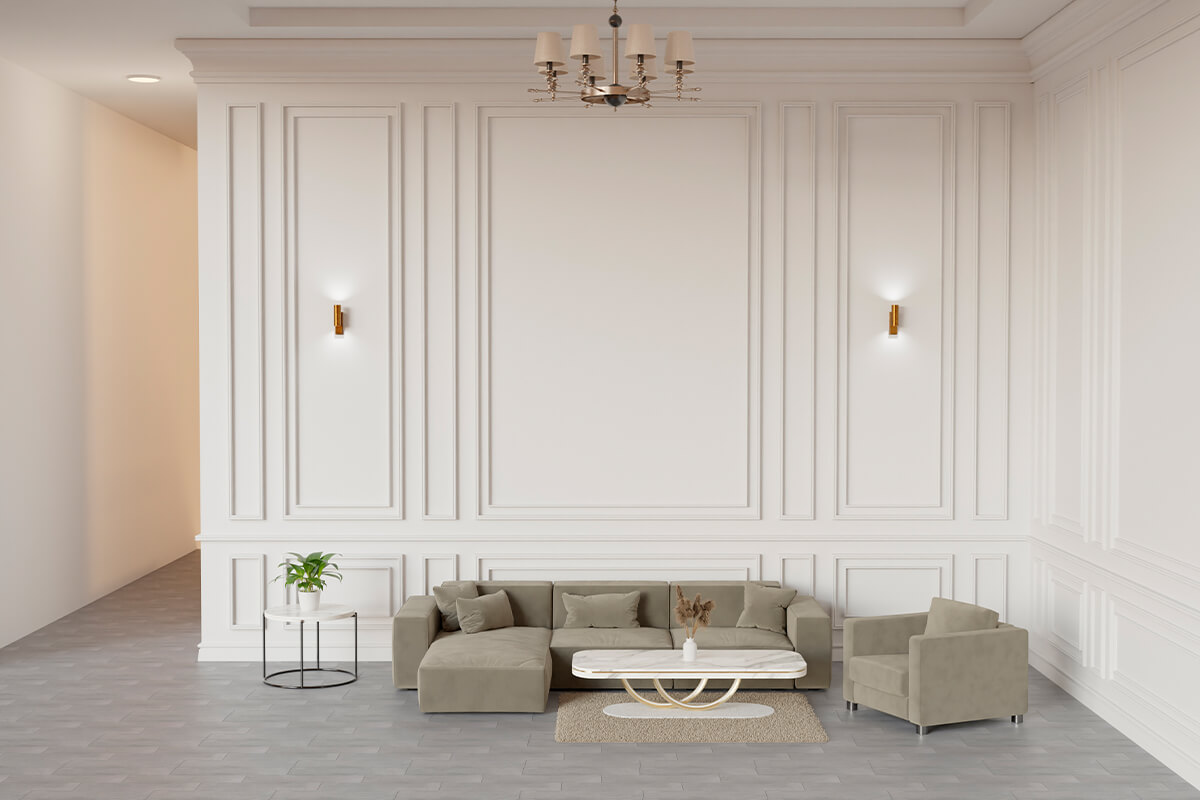
Differences between Fluted vs. Reeded Panels
| Profile | Visual Effect | Best For | Common Wood Species | Maintenance |
|---|---|---|---|---|
| Fluted Panels | Concave grooves, bold shadow lines, architectural feel | Statement walls, kitchen islands, entry doors | Walnut, White Oak, Mahogany | Low |
| Reeded Panels | Convex ridges, soft rounded texture, traditional feel | Headboards, bedroom walls, curved furniture pairings | Oak, Ash, lighter finishes | Moderate |
Contact Our Team!
Whether your door needs a professional refinish or a full custom replacement, we’d love to take a look. Don’t hesitate in contacting us and one of our experts will be in touch shortly.
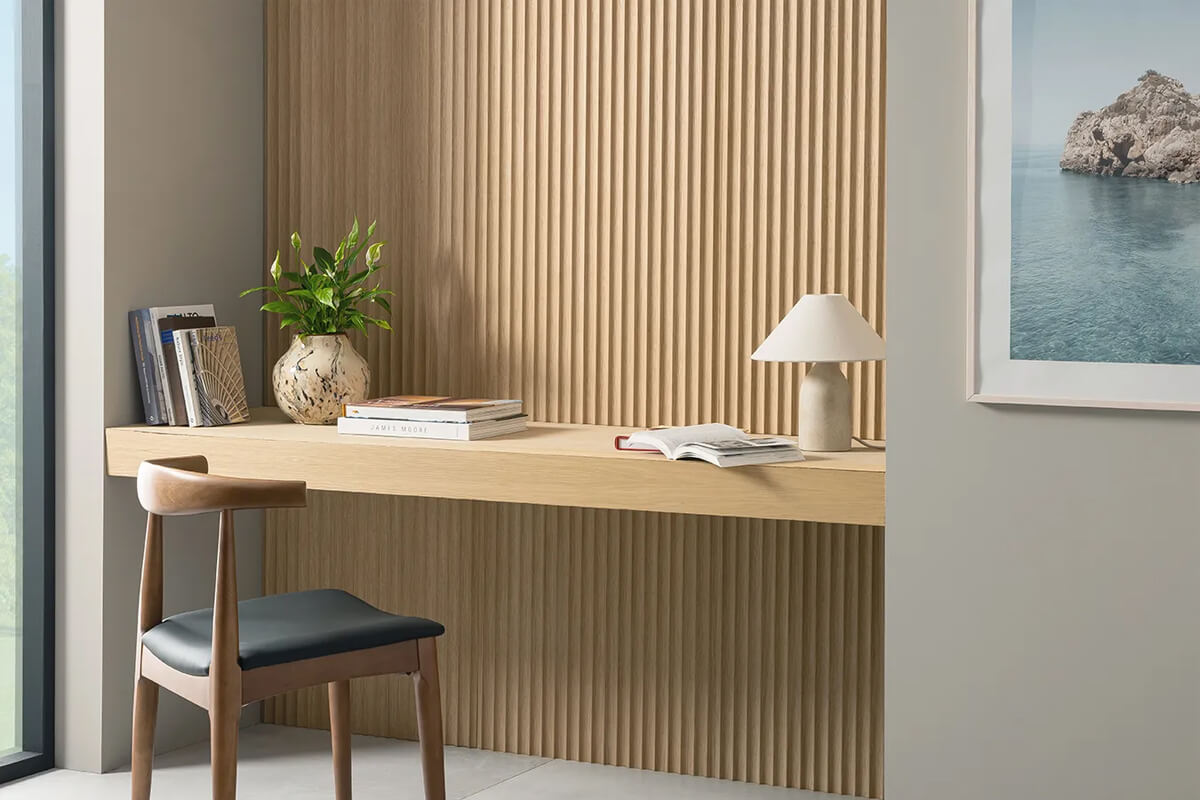
Where Fluted and Reeded Panels Work Best?
Statement furniture and focal walls: One panel wall behind a sofa, bed, or bar does more than covering an entire room. Let it anchor the space.
Kitchen islands and cabinetry: Wrapping the base of an island in fluted panels is one of the most requested details we’re seeing right now. It adds texture at eye level without competing with countertops or hardware.
Entry doors and millwork: A fluted or reeded door panel turns a functional element into a design signature; the kind of detail that makes an entryway feel considered rather than standard.
Bedrooms: Reeded panels behind a headboard soften the room and create a built-in, custom look without heavy contrast.
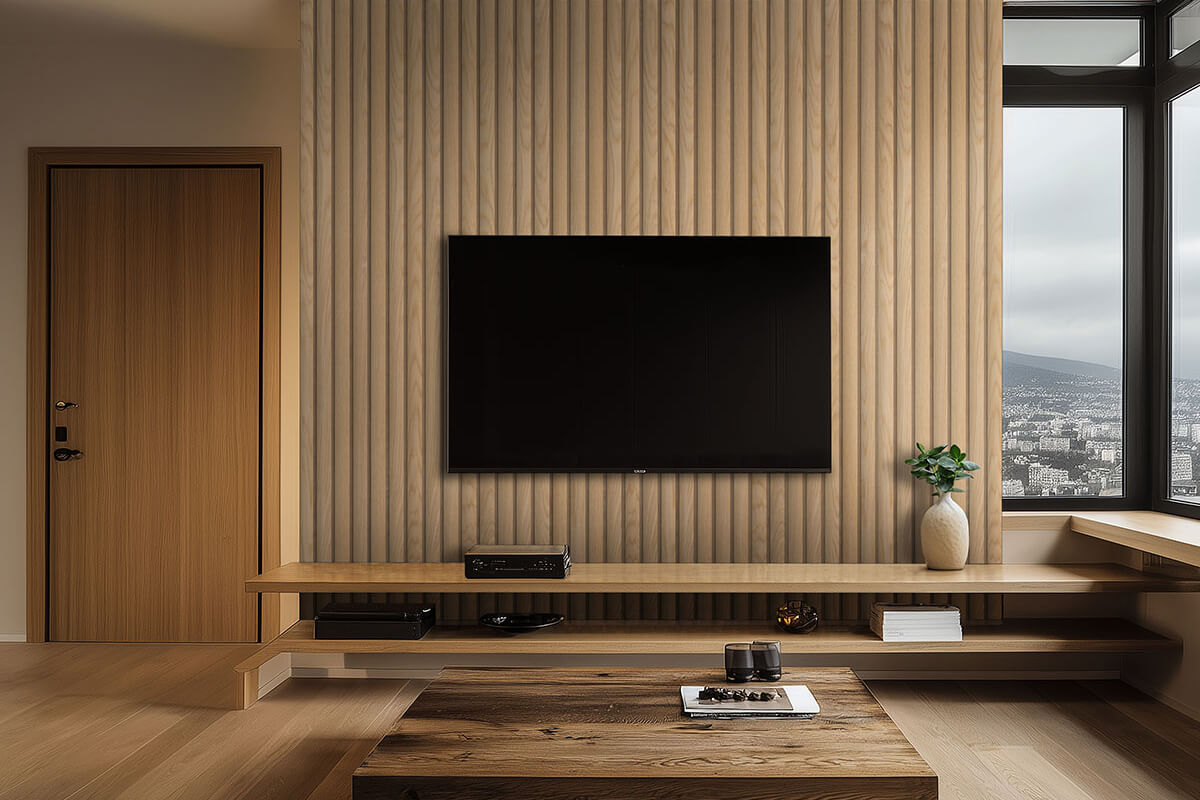
Color and Finish Pairings That Work
The right finish keeps fluted and reeded detailing from feeling busy.
- Natural walnut or oak: Warm, timeless, and forgiving of imperfect lighting.
- White oak or ash: Bright and airy, ideal for Scandinavian or minimalist interiors.
- Painted MDF in a single tone: A modern option when you want the shadow play without the wood grain.
Design rule: Keep the surrounding palette simple. These panels are the texture; the room doesn’t need a second competing pattern.
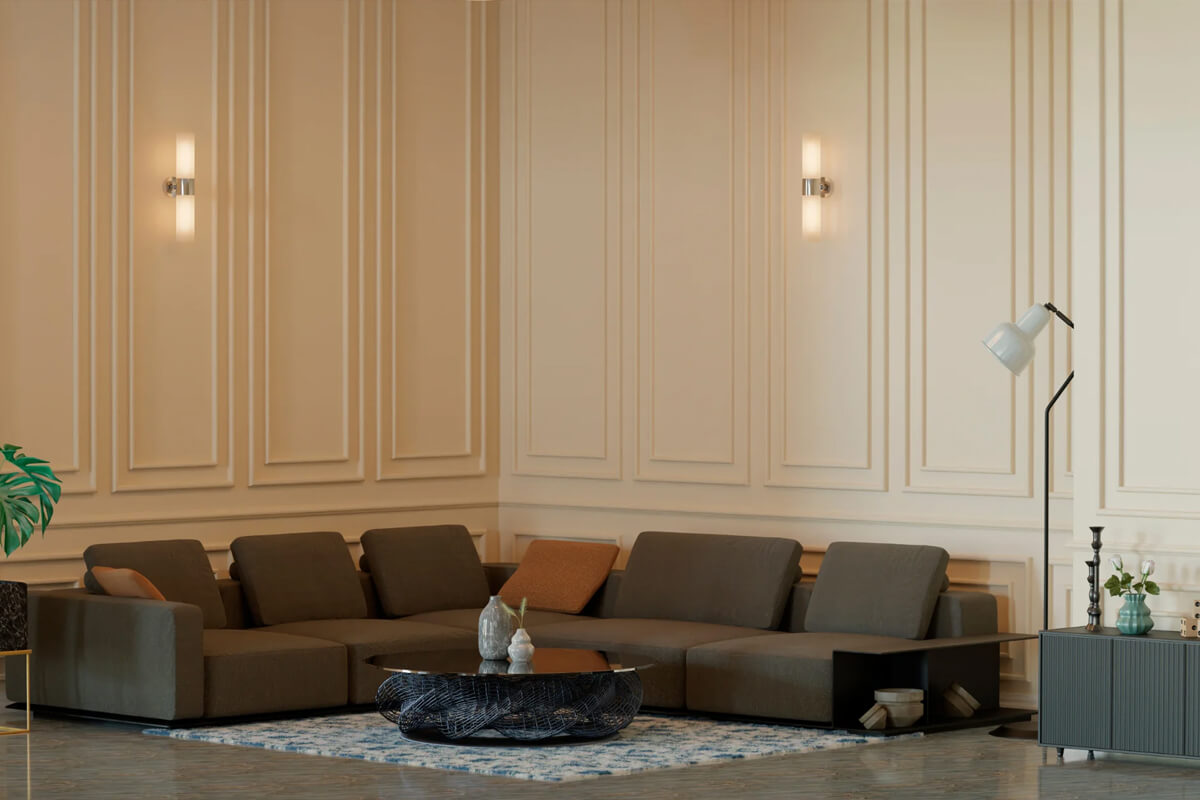
Lighting Makes the Effect on Paneling
Fluted and reeded panels rely on shadow to read as three-dimensional. Without the right lighting, the detail can fall flat.
- Angled or raking light (wall washers, floor lamps, recessed fixtures) brings out the groove pattern.
- Direct, flat overhead lighting flattens the texture and wastes the investment.
- LED strip lighting along the top or bottom edge of a panel wall is a popular way to emphasize the vertical lines after dark.
Contact Our Team!
Whether your door needs a professional refinish or a full custom replacement, we’d love to take a look. Don’t hesitate in contacting us and one of our experts will be in touch shortly.
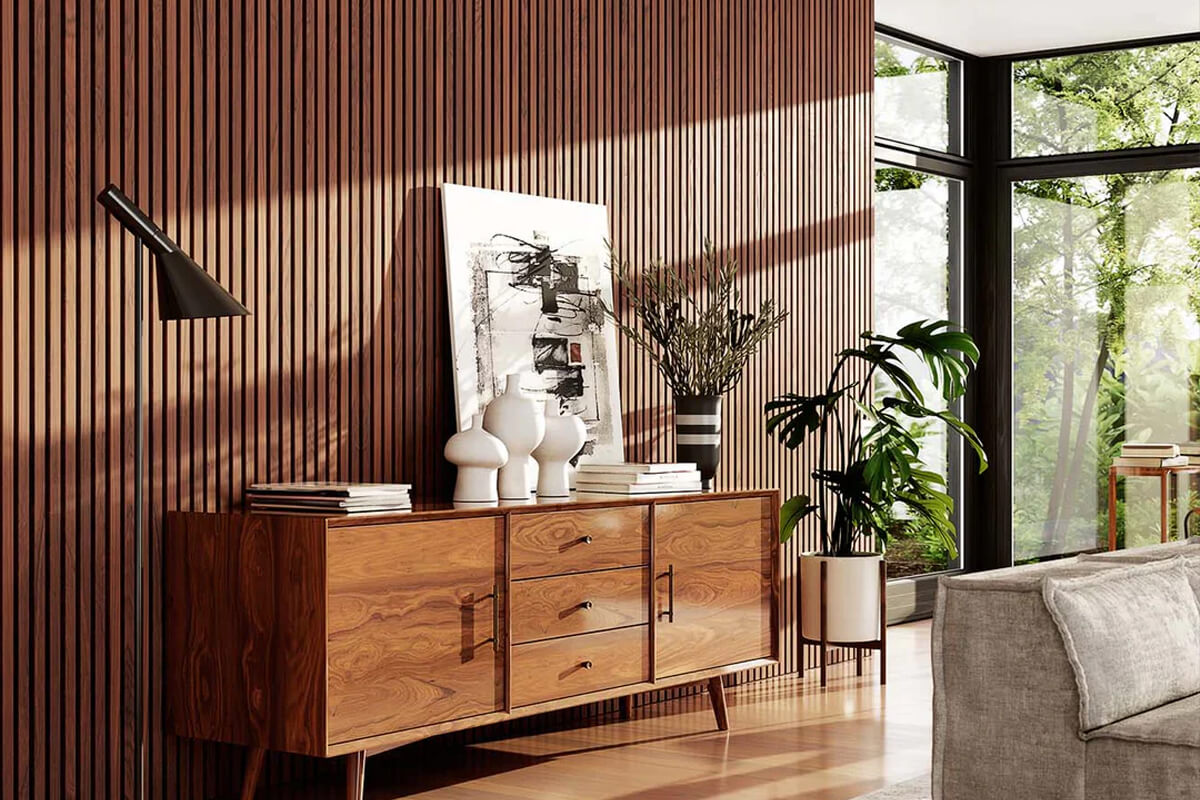
What to Consider Before Committing?
What homeowners love:
- The custom, architectural feel it brings to an otherwise plain wall
- How the shadow pattern changes throughout the day
- That it works in both traditional and contemporary interiors
What to plan for:
- Reeded profiles show dust and scuffs slightly more than fluted grooves
- Alignment matters. Panels installed slightly off-plumb are far more noticeable than on a flat wall
- Custom widths or groove depths may add lead time to a project
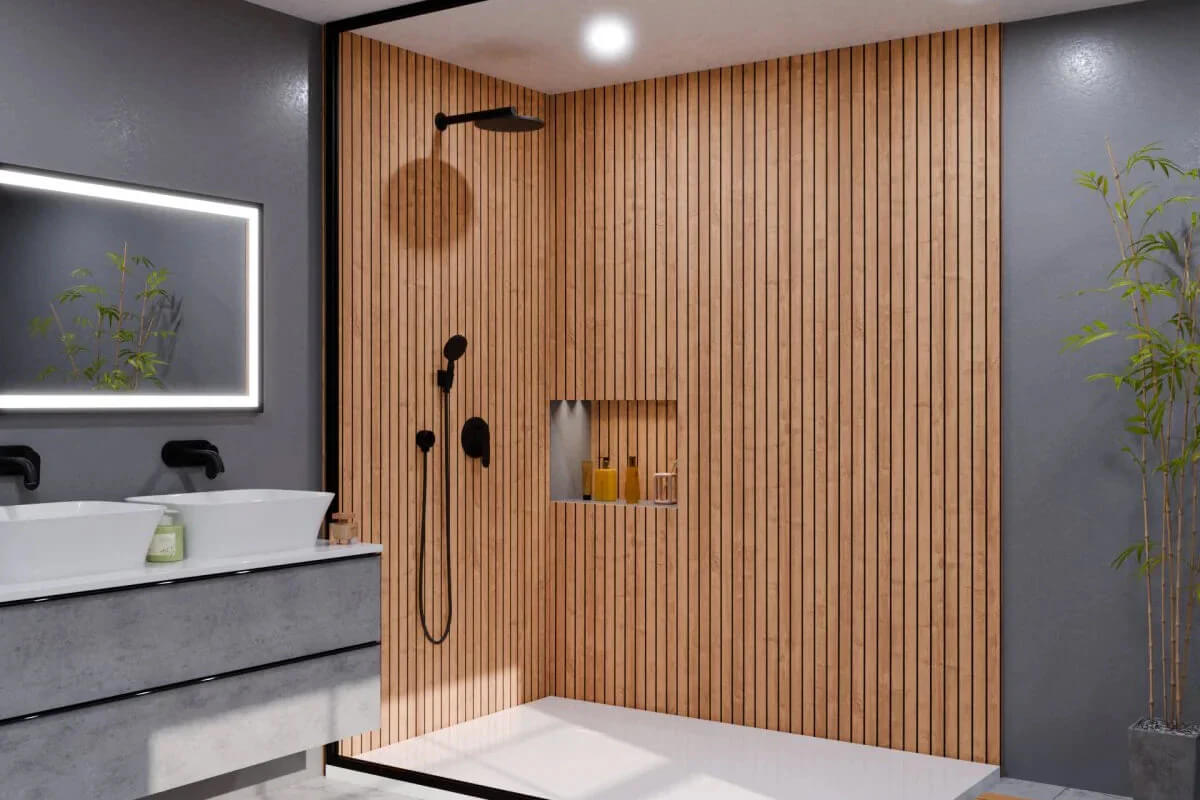
Common Questions About Paneling
Are fluted and reeded panels still in style in 2026?
Yes. Both profiles remain one of the strongest trends in architectural millwork for 2026, driven by demand for texture, natural materials, and detail that reads as custom rather than mass-produced.
Are fluted and reeded panels still in style in 2026?
Fluted panels have concave grooves that curve inward, creating bold shadow lines. Reeded panels have convex ridges that curve outward, creating a softer, more rounded texture.
Where should I use fluted panels vs. reeded panels?
Fluted panels suit bold, architectural applications like kitchen islands, entry doors, and statement walls. Reeded panels work best in softer settings like bedroom headboards, powder rooms, and spaces paired with curved furniture.
Do fluted and reeded panels work with modern interiors?
Yes. Both profiles pair naturally with minimalist, Scandinavian, and contemporary interiors when kept in a single wood tone or painted finish, and with traditional interiors when paired with richer wood species like walnut or mahogany.
Are fluted or reeded panels hard to maintain?
Both are low-maintenance. Reeded panels show dust slightly more than fluted grooves because of their raised profile, but a quick wipe-down keeps either style looking sharp.