Restore What Can Be Saved. Replicate What Can’t.
Historic Door and Millwork Restoration in St. Louis
We restore original wood entry doors, millwork, and trim in historic St. Louis homes, churches, and landmark buildings. Whenever a piece can be saved, we restore it.
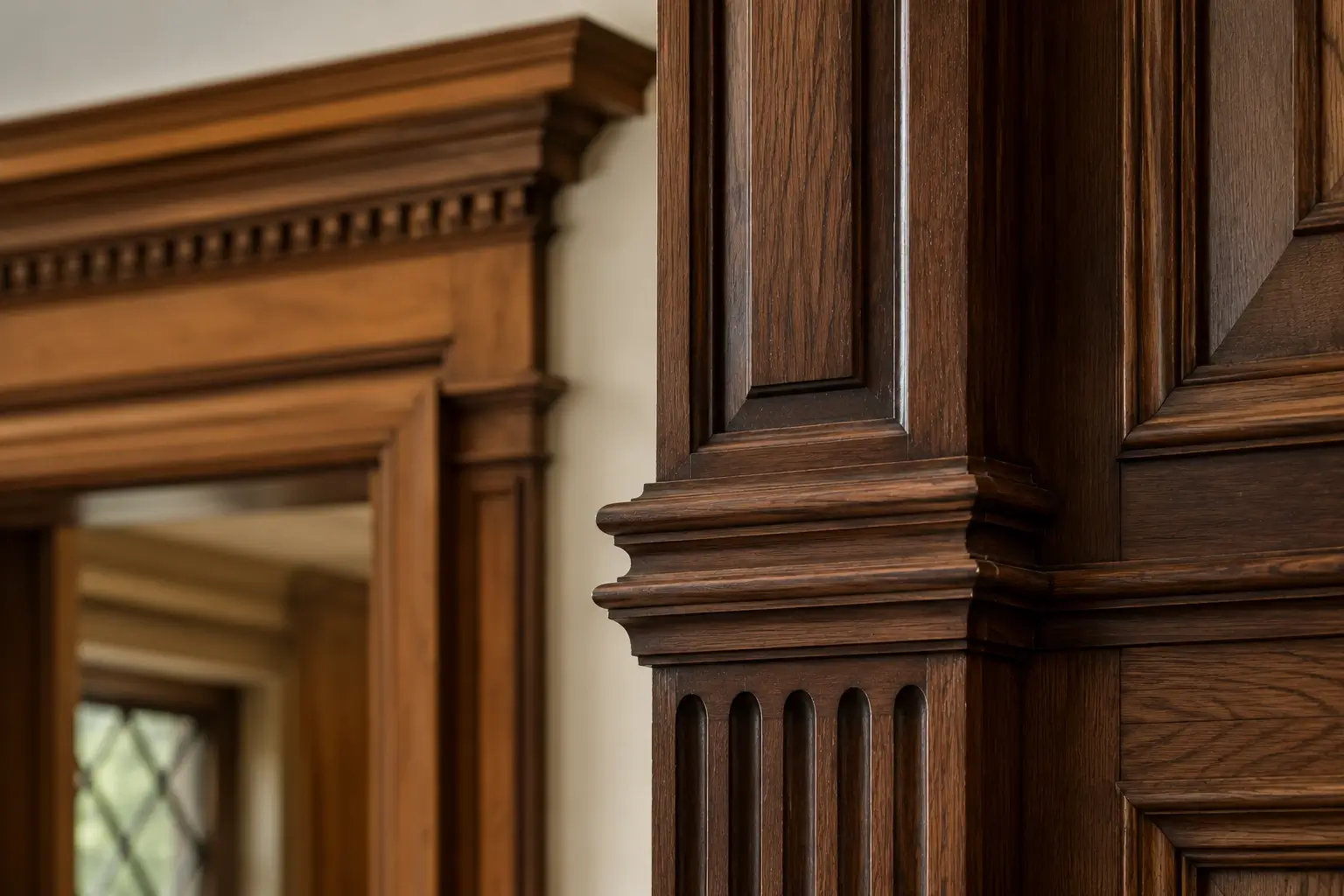
PRESERVING THE DETAILS THAT DEFINE A BUILDING
We Start by Trying to Save the Original
Original doors and woodwork in older St. Louis buildings were usually made from dense, old-growth lumber that is hard to match today. That is why every historic project at Scobis begins with an assessment of what can be kept.
Many original pieces can be stripped, repaired, and refinished. Rotted sections can be cut out and patched with matching wood.
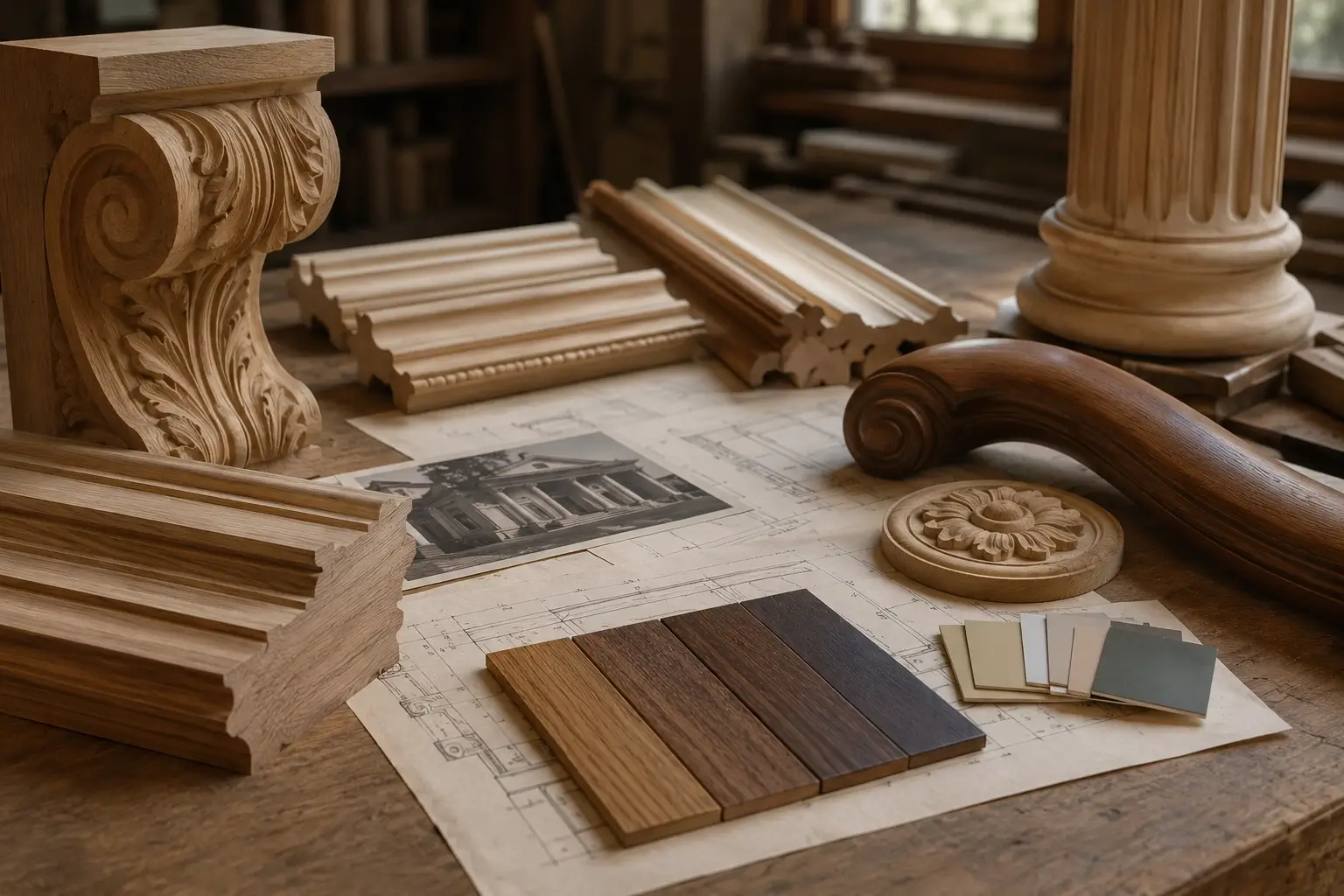
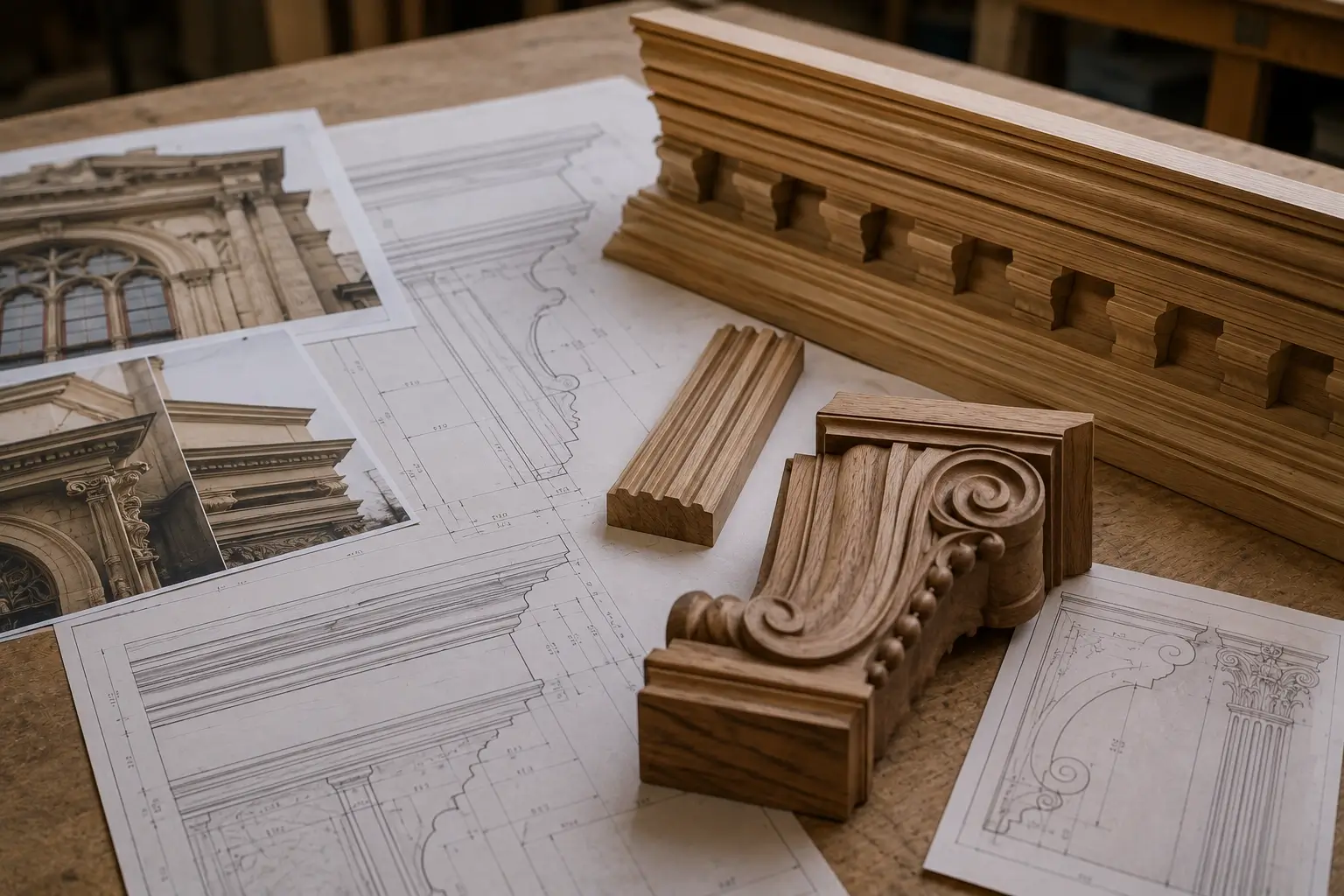
Replication is for what is missing or too far gone. A door lost in an earlier renovation, trim removed decades ago, or a carved bracket split beyond repair. We reproduce those pieces from surviving examples, photographs, drawings, or on-site measurements, so the new work sits beside the original without standing out.
HISTORIC RESTORATION + REPLICATION SERVICES
Our Historic Millwork Services
Historic Entry Doors
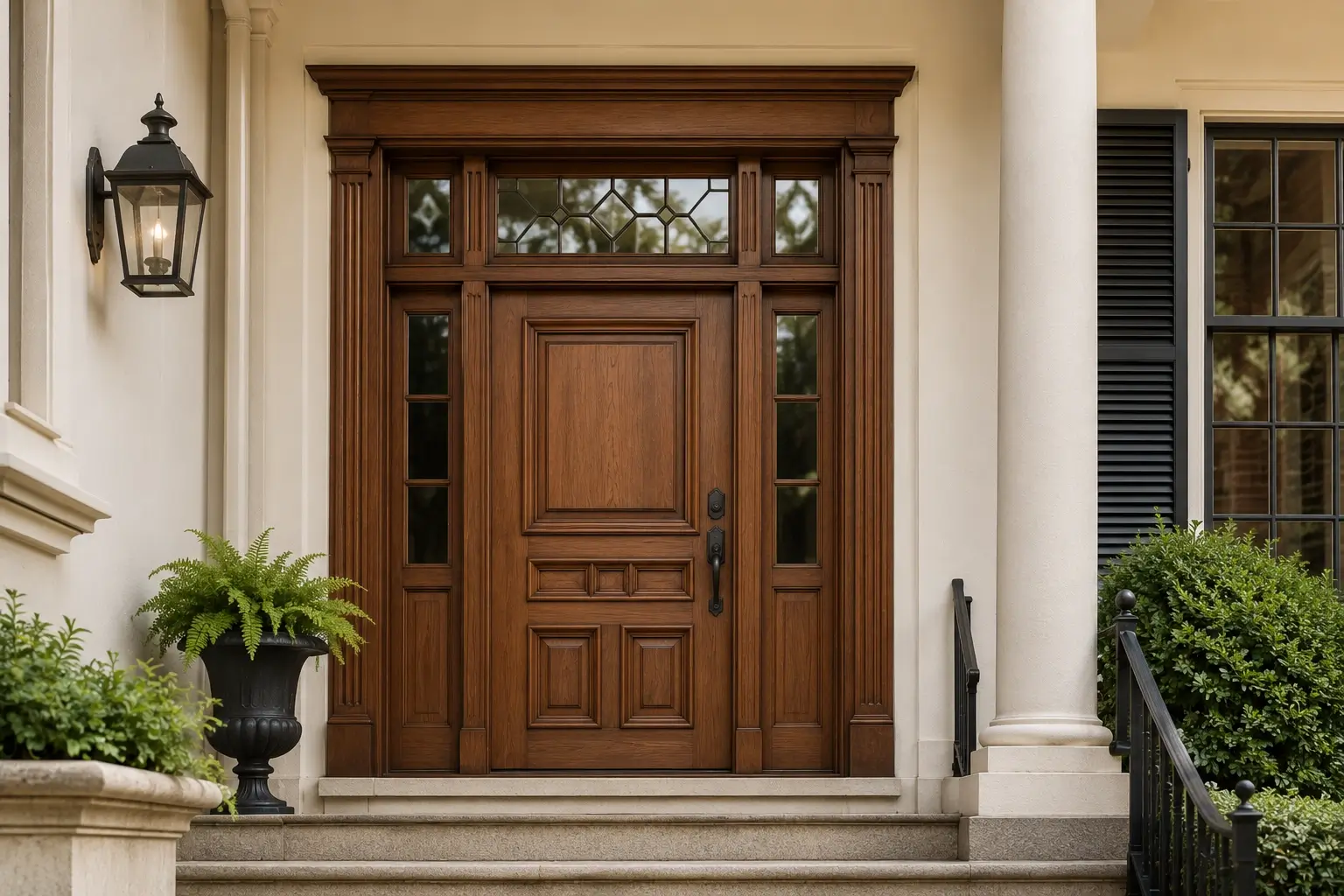
New wood entry doors that reproduce the scale, proportions, panel layout, and joinery of the original design.
Historic Millwork
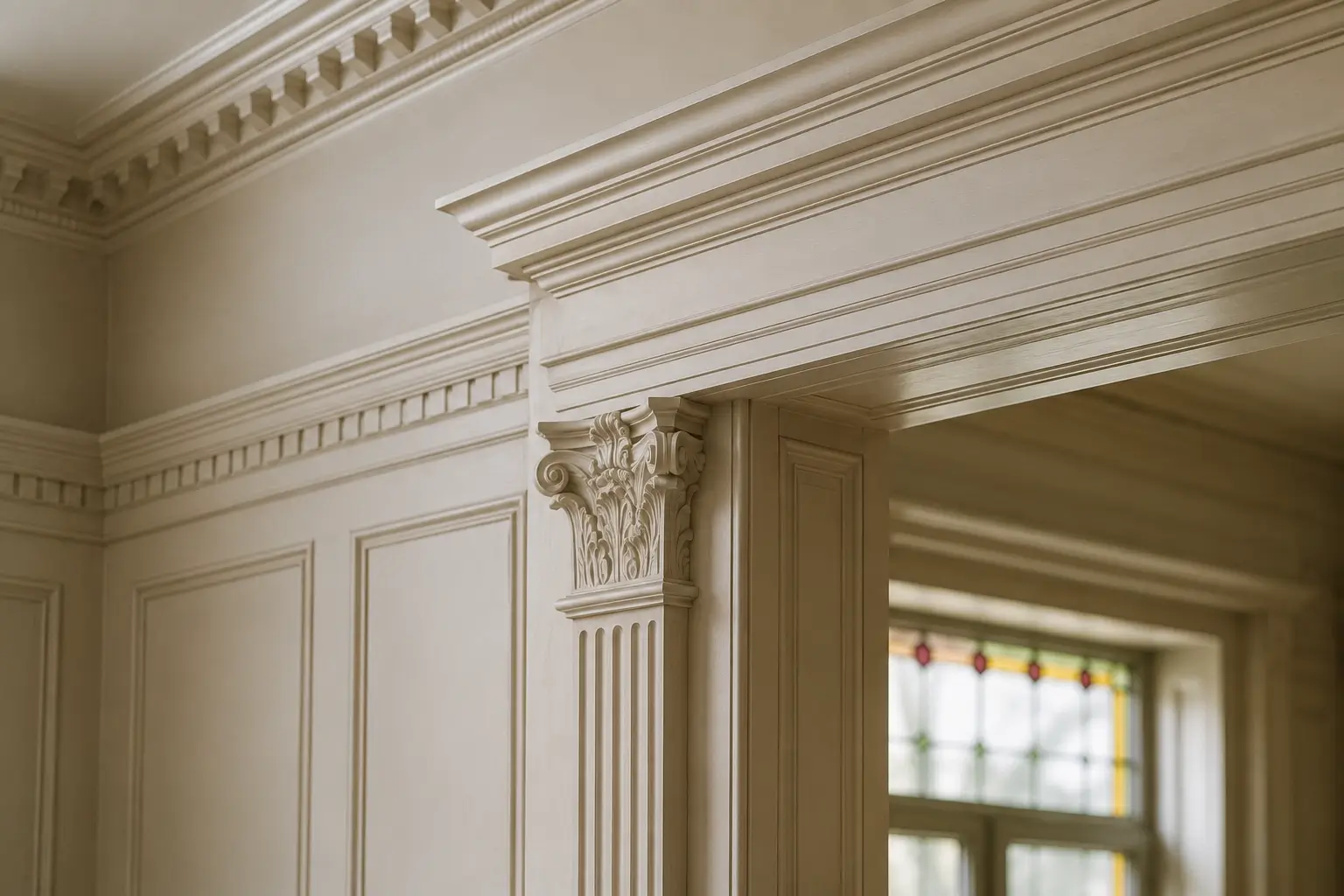
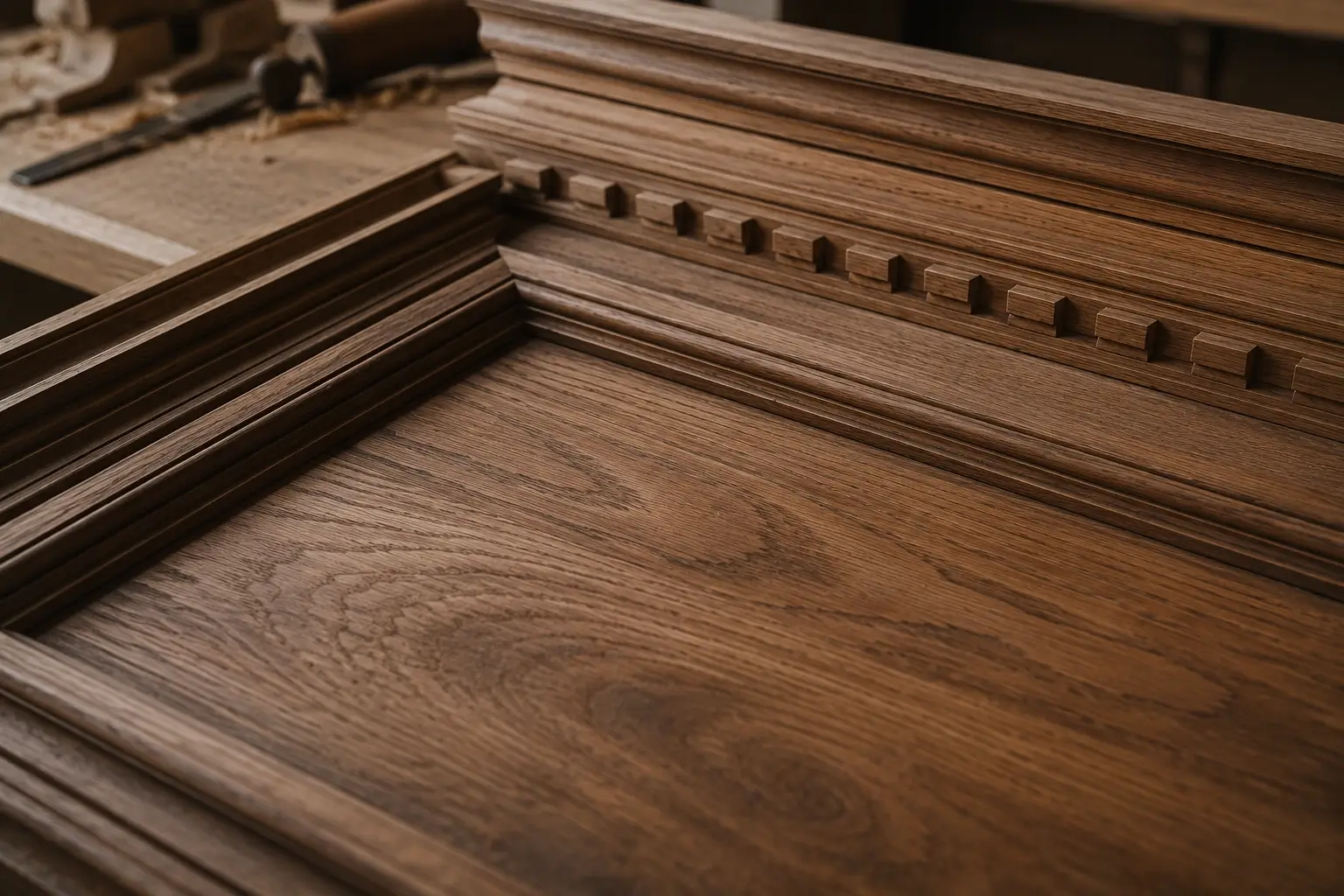
Trim, moldings, casings, baseboards, paneling, and columns milled to match existing profiles.
Custom Architectural Details
Corbels, brackets, capitals, carvings, arch components, and stair parts recreated from surviving examples or historic references.
Missing Elements
Pieces that no longer exist are rebuilt from historic photographs, drawings, matching elements elsewhere in the building, or on-site measurements.
Finish Matching
Stains, paints, and glazes developed so new pieces blend with original woodwork that is being kept.
Historic Neighborhoods We Serve
Respecting the Past. Crafted for the Future.
We restore and replicate historic woodwork across St. Louis City and County, including Central West End, Lafayette Square, Compton Heights, Soulard, Kirkwood, Webster Groves, Clayton, Ladue, and in historic properties throughout the Midwest.
WHAT WE DO
Historic Restoration and Replication Work
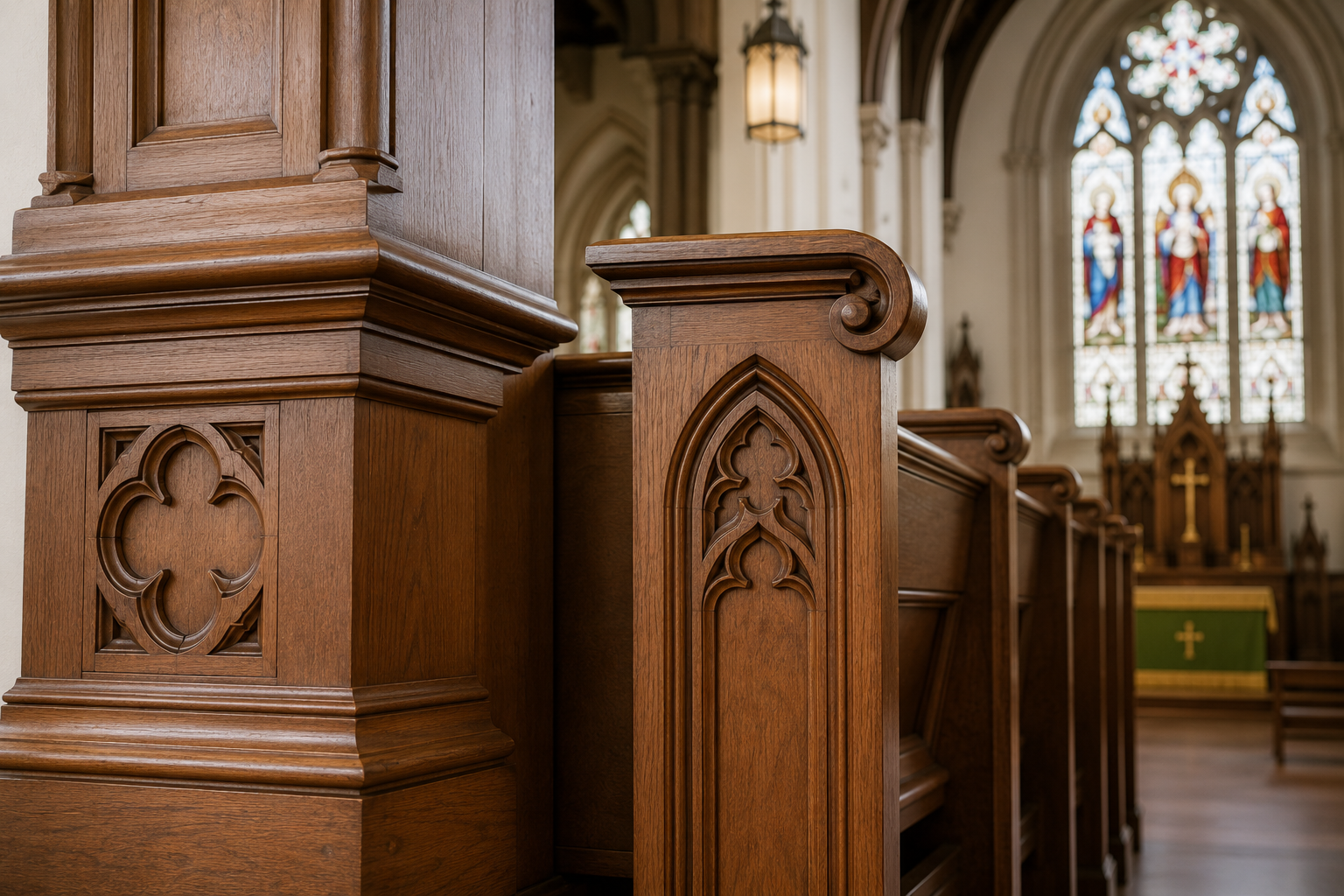
Examples of the historic doors, millwork, and architectural details we restore and replicate for homes, churches, and landmark buildings.
RESTORATION and REPLICATION
Historic Entry Systems
Original front doors, sidelights, and transoms restored and refinished, or rebuilt to the original proportions and joinery when the door can’t be saved.
REPLICATION
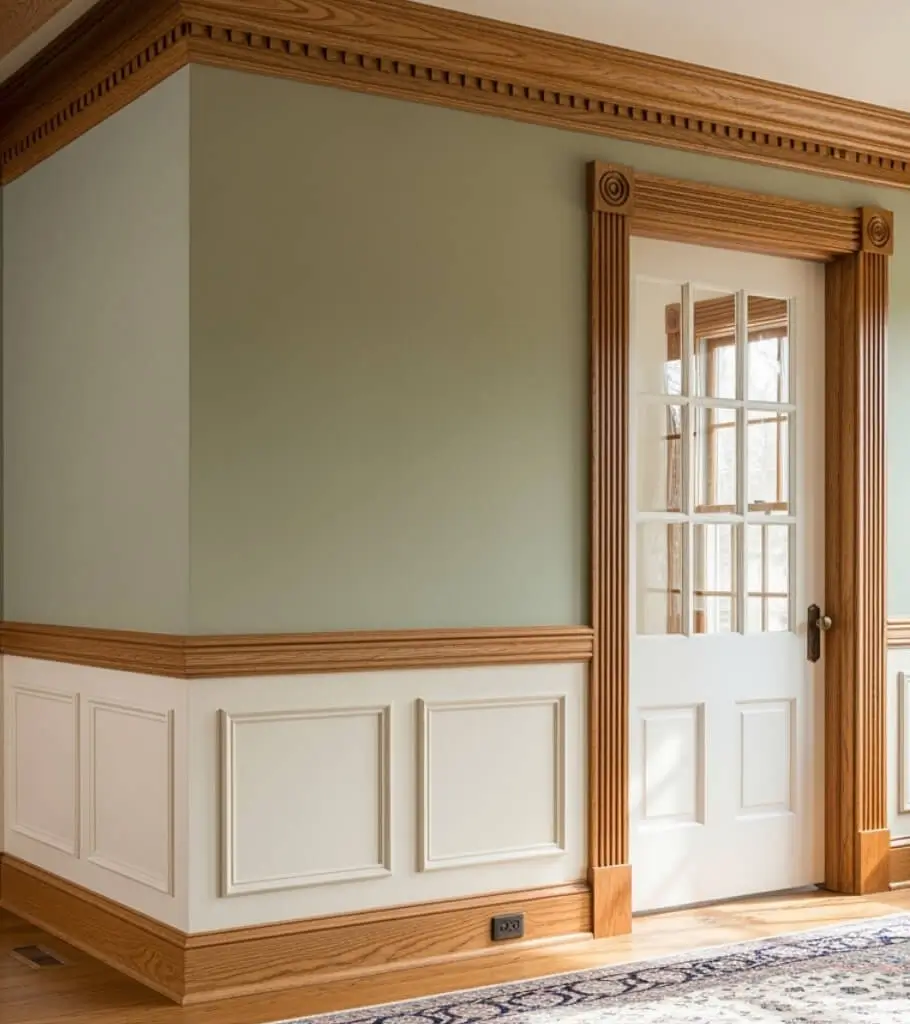
Paneling and Wainscoting
Decorative millwork reproduced to match surviving historic profiles and architectural detailing.
REPLICATION
Moldings and Trim
Crown, casings, baseboards, and fluted pilasters reproduced where original trim has deteriorated or been removed.
REPLICATION
Carved Architectural Details
Corbels, brackets, capitals, and carved elements recreated from existing samples, photographs, or historic drawings.
Historic Door and Millwork Restoration
Why Preservation Professionals Choose Scobis
Historical Accuracy
Every project starts with the building’s original design intent, documented before a single piece is restored or made.
Craftsmanship
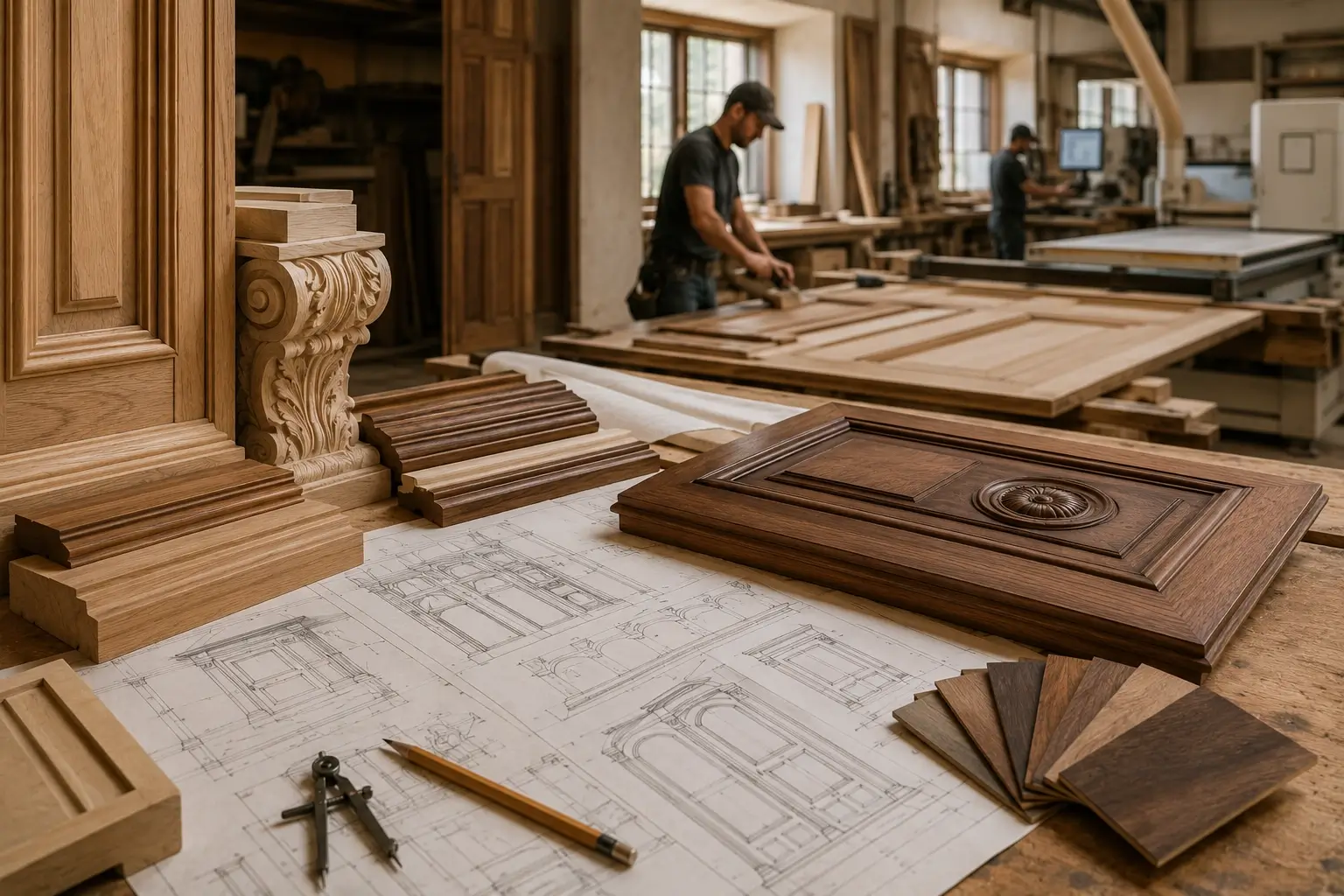
Traditional joinery and hand finishing, supported by CAD design and precision machining.
Material Authenticity
Wood species, grain, profiles, and finishes chosen to match the original architecture.
Expertise
Assessment, restoration, fabrication, finishing, and installation handled by one team in St. Louis since 2001.
Historic Preservation + Replication
Frequently Asked Questions
Can you match existing historic woodwork?
Yes. We regularly reproduce existing mouldings, doors, trim, paneling, and architectural details using physical samples, field measurements, photographs, or original drawings to achieve an accurate match.
What if the original piece no longer exists?
Where original components are missing, we can often recreate them using nearby architectural details, historic photographs, archived plans, or comparable elements elsewhere on the building.
How do you decide whether to restore or replicate?
We assess each piece before recommending anything. Restoration makes sense when the original is structurally sound and its profiles and details survive. Replication makes sense when the piece is missing, badly deteriorated, or no longer performs as it should. Requirements from historic review or the project architect are also part of the decision.
Can you match existing historic woodwork?
Yes. We reproduce moldings, doors, trim, paneling, and architectural details from physical samples, field measurements, photographs, or original drawings. The result is new work that matches the profile, proportions, and finish of the original woodwork around it.
Do you work with preservation boards?
Yes. We work with architects, preservation consultants, and historic review boards, and we provide the shop drawings, profile documentation, and material specifications that review usually requires. Our goal is new or restored work that respects the original architecture and moves through approval smoothly.
Can you match historic wood species and finishes?
Yes. We select hardwoods to match the species and grain of the original work, and we develop custom stains, paints, and glazes so that new and restored pieces blend with the existing woodwork.
Do you work on single pieces or complete projects?
Both. Projects range from restoring one original door or replicating a single molding to complete architectural woodwork packages for historic homes, churches, and landmark buildings.
Have an Original Door or Woodwork Worth Saving?
Send us photos of the original door, trim, or detail. We’ll tell you whether it can be restored or should be replicated, and what each option involves.