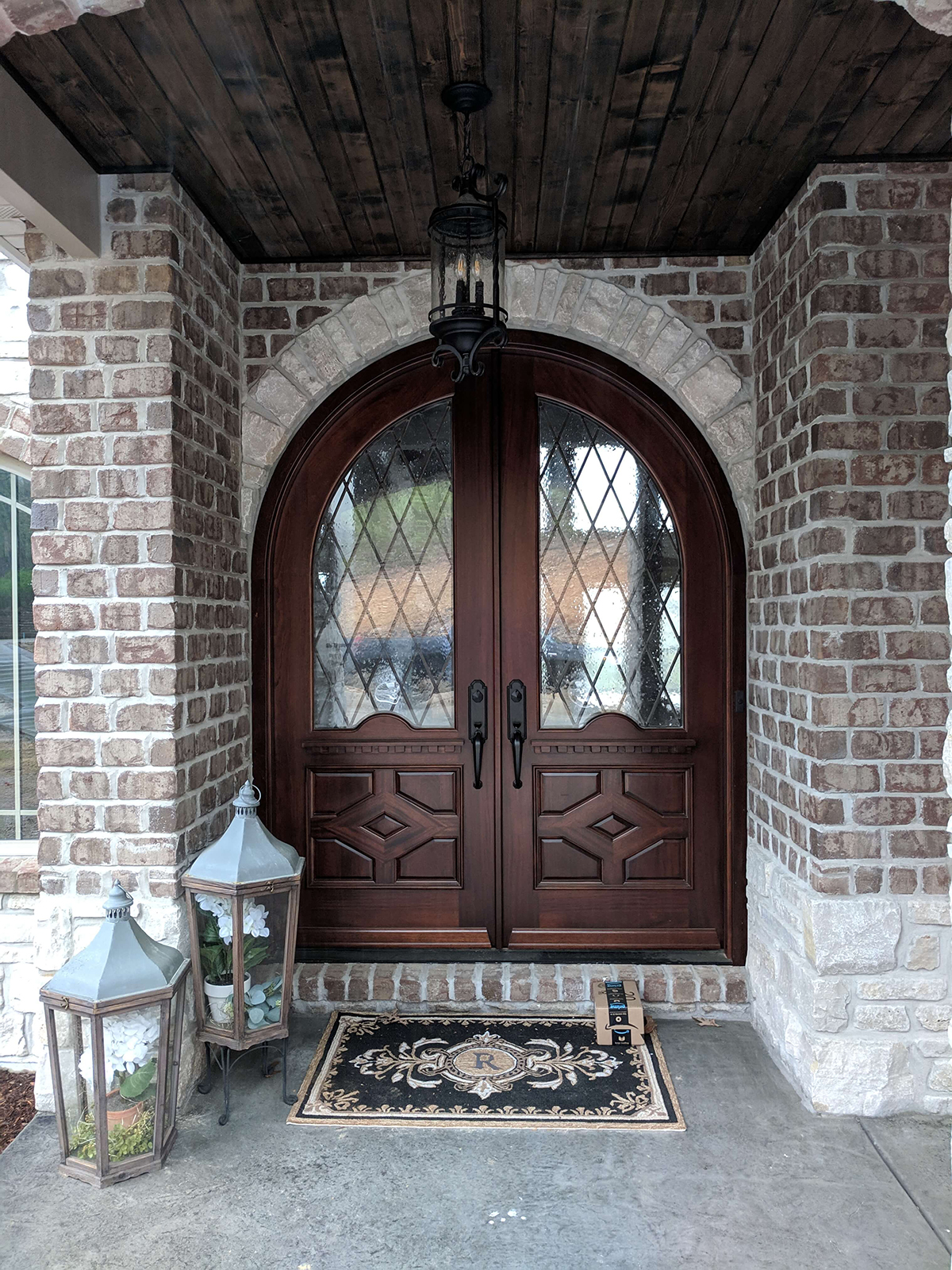
5 Options for Custom Wood Doors in St. Louis
At a glance
- A custom wood door can mean five very different things depending on who builds it, from a full-service local supplier who manages the entire project to a stock door with custom paint.
- The safest path is a known, established provider who handles design, consultation, fabrication, and installation under one roof, so there’s a single point of accountability if anything needs to be adjusted.
- The right choice still depends on the project. If it’s matching a historic opening, holding up to St. Louis weather swings, or simply refinishing the door you already have instead of replacing it.
This guide walks through the five main paths to a custom wood door for a St. Louis home, ranked by how much the process actually accounts for your specific house. Understanding what each path can and cannot do is the fastest way to figure out which one your project actually needs.
Why custom means something different?
A front door in St. Louis works harder than it looks. It’s the first thing anyone sees walking up, and it’s also exposed to humid summers, freezing winters, and the swelling and shrinking that comes with both. A door that isn’t engineered for that range will show it with sticking frames, checking finish, warping panels within a few seasons.
That’s the real difference between «custom» as a marketing word and «custom» as an engineering process. A door built to fit your opening, your architectural style, and your climate is a different undertaking than a standard-size door with a custom stain color. Both get called custom. Only one is built to perform for decades.
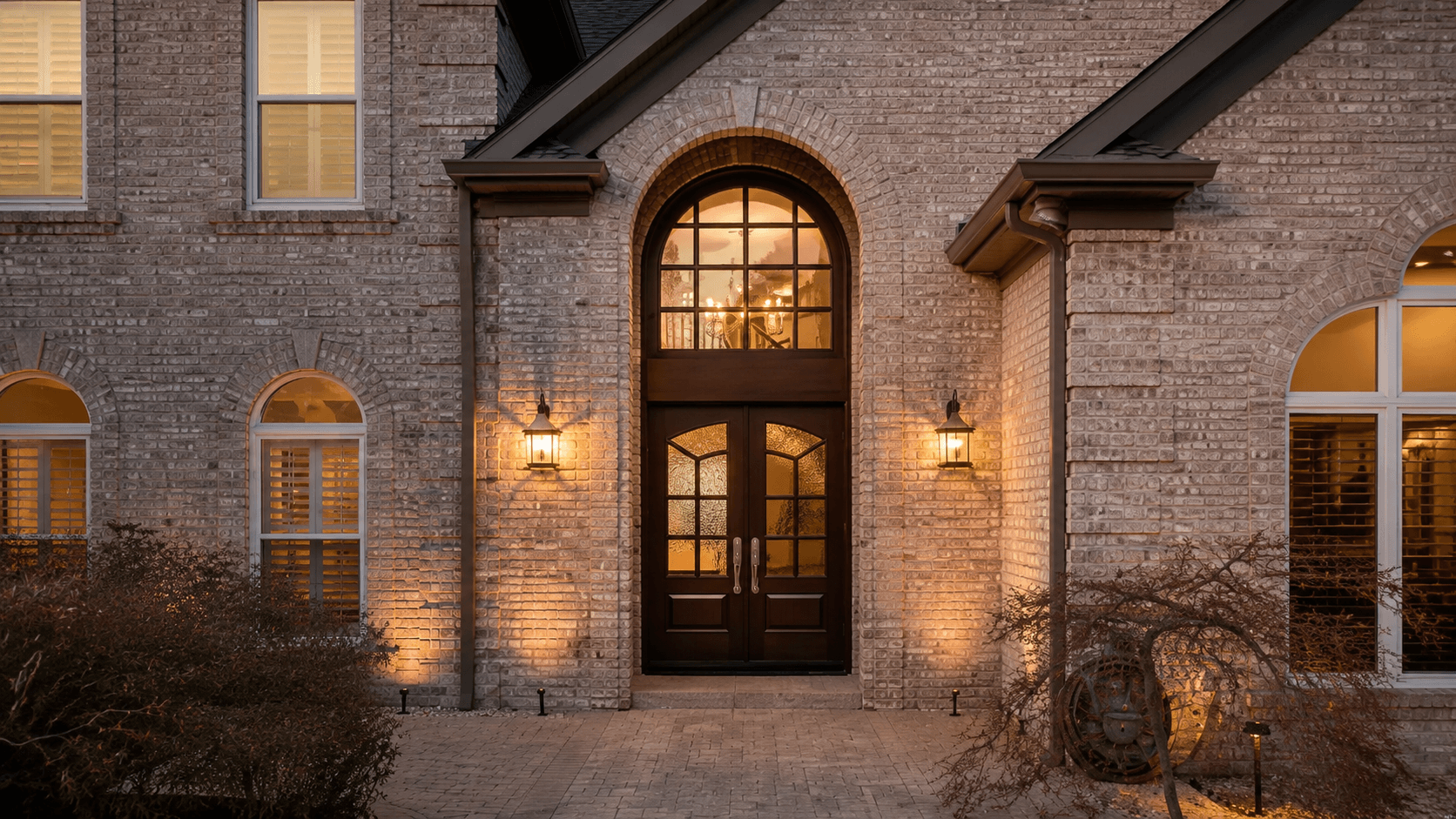
1. Picking Scobis as a reliable, full-service partner
Best for: Homeowners who want one trusted team to handle the entire project, from first conversation to final walkthrough, without managing multiple vendors themselves
Scobis Millwork + Design has been building architectural wood doors from its St. Louis workshop since 2001, which means the reputation, the workshop, and the team are all local and easy to verify, not a name that appears only on an invoice.
Every project starts with a consultation to understand the opening, the architecture, and what the homeowner is trying to achieve, then moves through design collaboration, material selection, in-shop fabrication and quality control, coordinated delivery and installation, and a final walkthrough to confirm fit, finish, and performance. One team manages every stage, so there’s a single point of contact and a single point of accountability from the first phone call to the day the door is hung.
Materials are chosen for performance in Midwest conditions, not just appearance. Scobis works in premium hardwoods including Sapele, Mahogany, Oak, Walnut, Cherry, and Accoya, each selected for grain consistency, stability, and how it holds up over time, and pairs them with hardware and finishing systems built to protect the door against sun, moisture, and daily use. Glass options, from frosted to textured to tinted, are integrated into the design rather than treated as an afterthought.
For more on how the process works, see more about Scobis’ process.
Key capabilities
- A single team managing design, consultation, fabrication, delivery, and installation, so there’s no gap between what was designed and what gets built
- Residential entry systems designed to define arrival, proportion, and presence for the specific home
- Commercial, institutional, and church and worship door systems built for high-traffic, high-durability environments
- Restoration and heritage doors developed with period-accurate detail for historically sensitive buildings
- Curated hardwood, hardware, finish, and glass selection matched to climate and design intent
- A local, established workshop and team, not a name that only shows up on an invoice
What to keep in mind
Because the same team designs, builds, and installs every door, lead times reflect a full build-and-install process rather than a warehouse pickup. Homeowners planning around a specific move-in or event date should start the consultation early.
Ideal for
St. Louis homeowners who want the reassurance of one accountable, local provider handling everything, whether that’s building new, a full entry renovation, or working with an architect or designer who wants the front door treated as part of the home’s architecture.
Also a fit for churches, historical societies, and institutions that need period-accurate restoration work. Request a consultation to talk through your opening and your timeline.
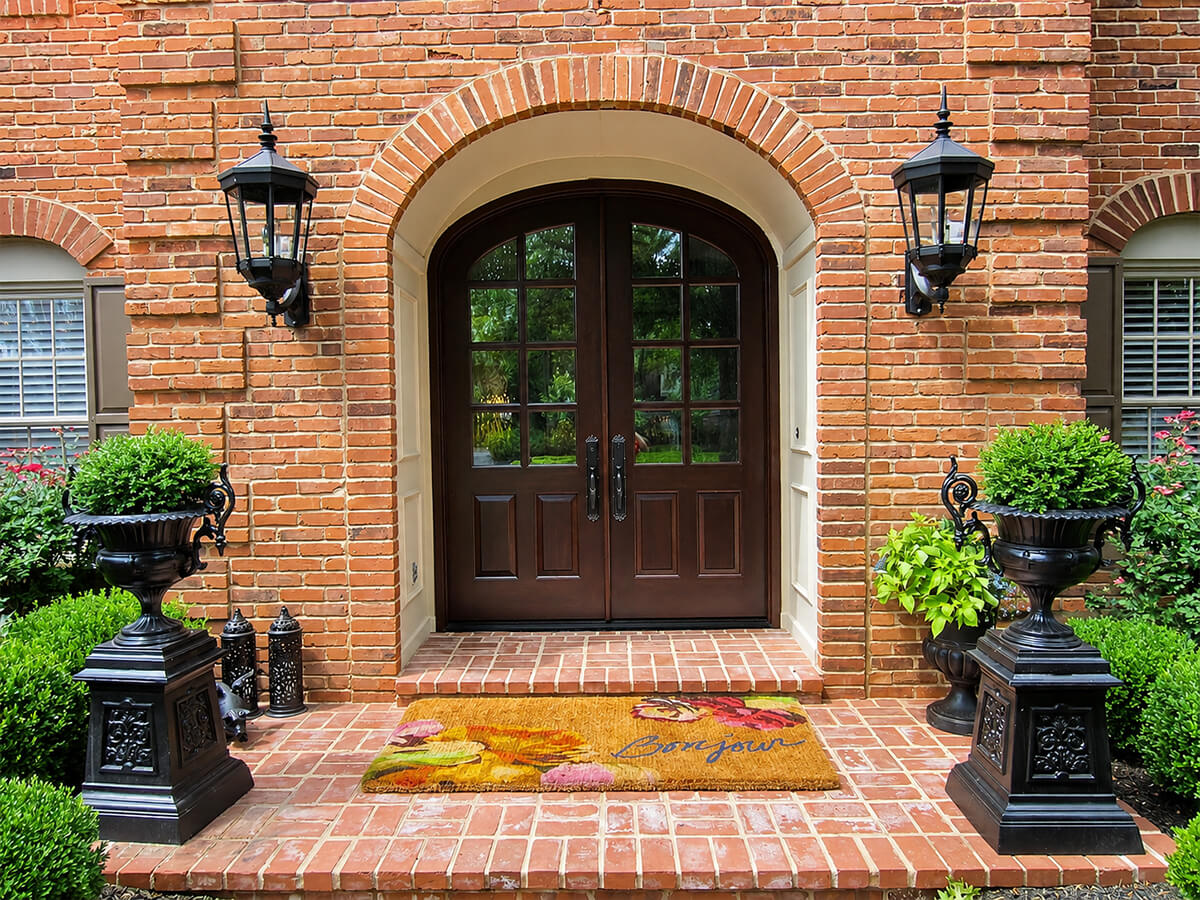
2. Big-box and home improvement store door programs
Best for: budget-driven replacements on a standard-size opening with a short timeline
Home improvement stores offer custom finish and hardware options layered onto a limited range of stock door sizes and styles. For a standard opening with no unusual architectural detail, this route is fast and predictable on price.
Where it falls short on building a custom wood door
The customization stops at finish and hardware. The door itself is built to a standard size, so anything outside that range, an arched top, an oversized opening, a historic profile, requires modification rather than a purpose-built design.
Wood species options are typically limited, and the installation is usually handled by a general installation crew rather than a team focused on architectural millwork.
What to look for: Confirm the exact wood species and construction (solid wood versus veneer over composite), ask what happens if your opening doesn’t match a stock size, and get the warranty terms in writing before ordering.

3. Online custom door retailers
Best for: homeowners comfortable specifying dimensions and finish remotely and coordinating installation separately
Online door retailers let you configure size, wood species, glass, and finish through a web tool and ship the finished door to your address. For homeowners who already have exact measurements and a trusted local installer lined up, this can shorten the sourcing process.
Where it falls short on building a custom wood door
Nobody sees your actual opening, your home’s architecture, or your local climate exposure before the door is built. Measurement errors fall on the homeowner to catch, and there’s no design collaboration to make sure the door reads correctly against the rest of the entry. Installation and any post-delivery adjustment are typically a separate transaction with a separate provider, which is where coordination gaps tend to show up.
What to look for: Confirm return and remake policies before ordering, ask specifically how the wood is rated for your climate zone, and line up an experienced local installer before the door ships.
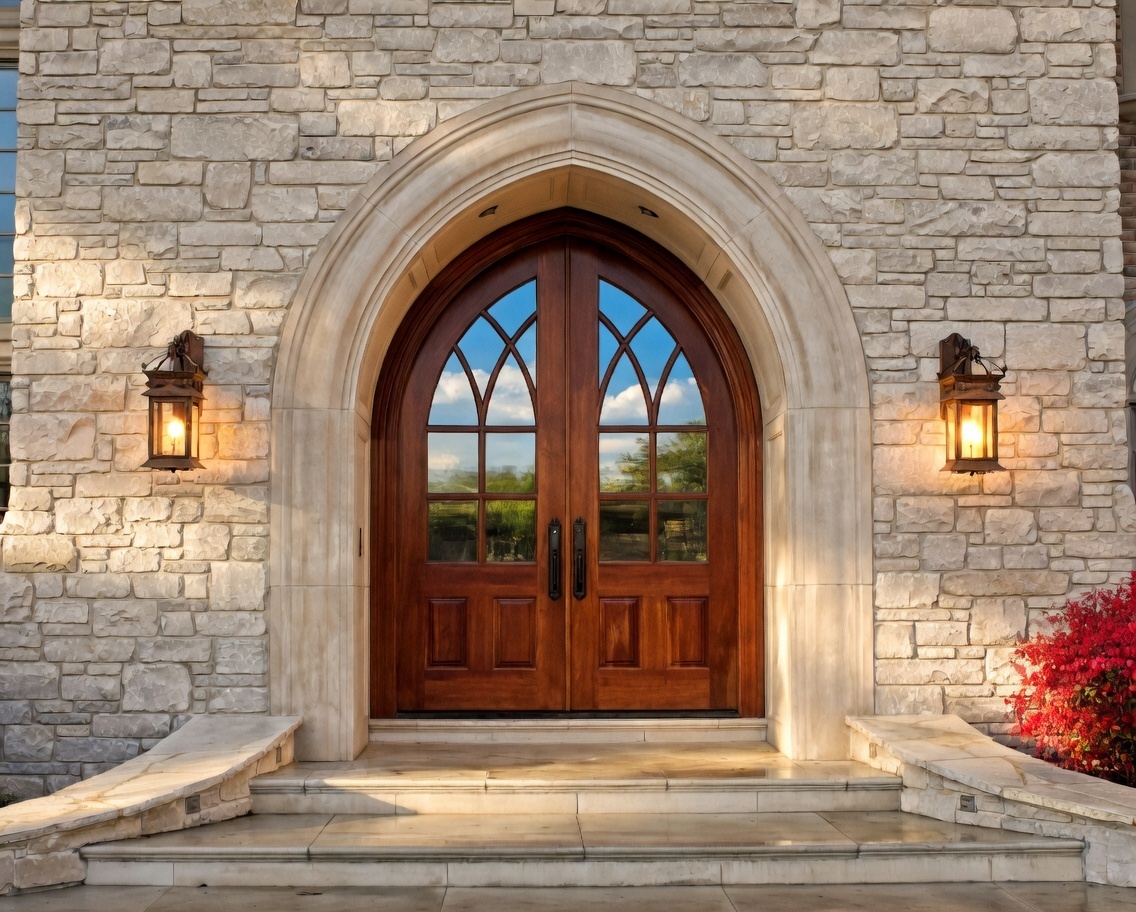
4. A general contractor or handyman referral
Best for: Replacing a damaged door quickly as part of a broader renovation project already underway
If a contractor is already on site for a larger renovation, having them source and install a new door can be the path of least resistance. It keeps one point of contact for the project and avoids coordinating an additional vendor.
Where it falls short on building a custom wood door
Most general contractors are not millwork specialists. They typically order through the same stock or semi-custom channels available to homeowners directly, without the in-house design, material sourcing, and fabrication capability that a dedicated millwork studio brings. For a straightforward replacement, that’s rarely an issue.
For a door that needs to match a historic profile or hold up in a high-traffic commercial entry, it often means bringing in a specialist anyway.
What to look for: Ask directly whether the door will be sourced from a millwork specialist or a standard supply house, and get clarity on who is responsible for warranty coverage on the door itself versus the installation.
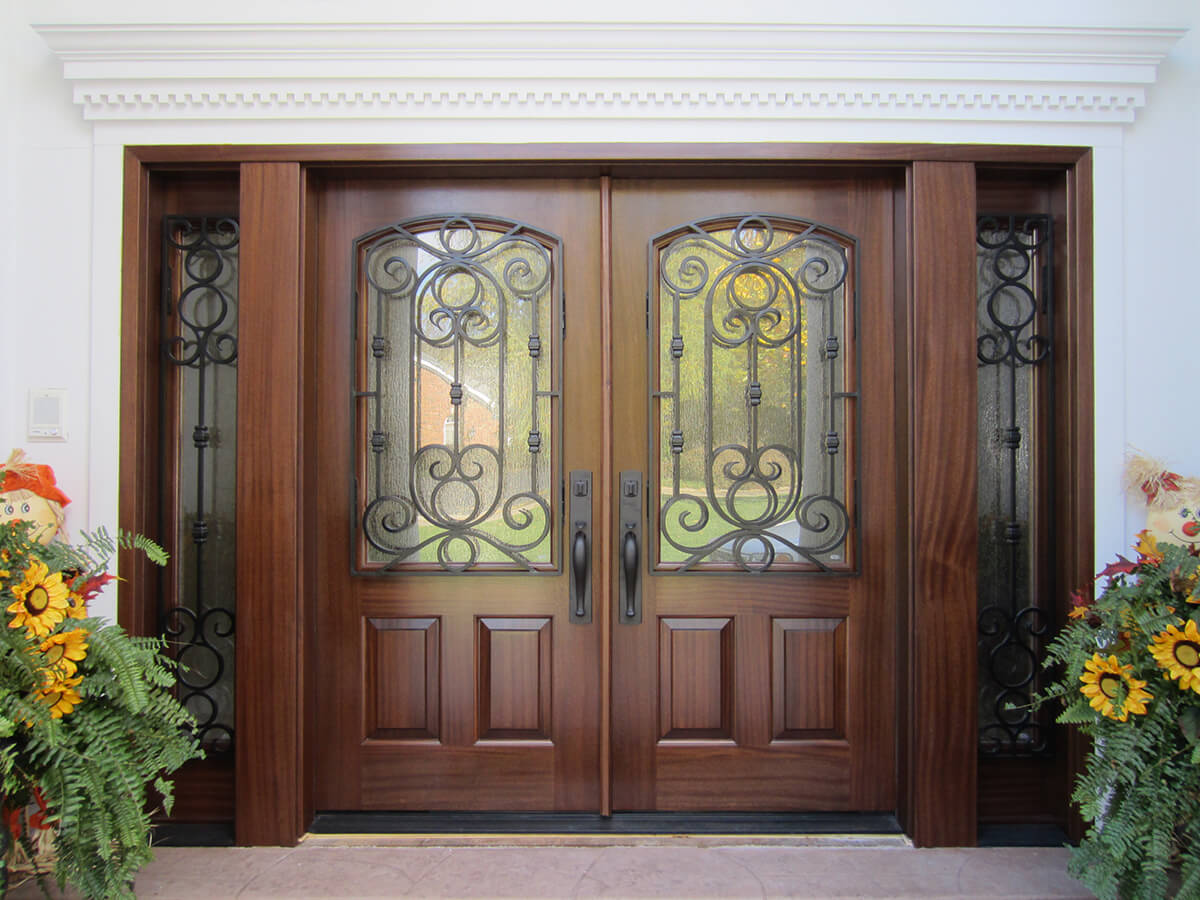
5. Refinishing or restoring the door you already have
Best for: Homeowners whose existing wood door has good bones but a tired finish
Not every door that looks worn needs to be replaced. A front door is one of the most exposed elements of a home, constantly hit by sun, temperature shifts, and daily use, and even a high-quality door will fade, crack, or fail prematurely without maintenance. In many cases, a professionally refinished door can look and perform like new, at a fraction of the cost and disruption of a full replacement.
Refinishing restores original beauty, maintains architectural consistency with the rest of the home, and addresses small issues like checking or hardware wear before they escalate into structural problems. It’s a maintenance decision, not just a cosmetic one.
Where it falls short on building a custom wood door
Refinishing only works if the underlying door is structurally sound. A door with rot, significant warping, or failed joinery needs replacement, not restoration, and a quick coat of stain over a compromised door just delays a bigger repair.
What to look for: Ask for an honest structural assessment before committing to refinish versus replace, and confirm the finishing system used can withstand St. Louis UV and moisture exposure long-term, not just look good on delivery day.
Contact Our Team!
Whether your door needs a professional refinish or a full custom replacement, we’d love to take a look. Don’t hesitate in contacting us and one of our experts will be in touch shortly.
What to look for in a custom door provider in St. Louis
Most comparisons of custom door options focus on price and turnaround time. Those matter, but for a door that’s meant to last decades, three other questions matter more.
Is the provider a known and verified local business?
A workshop, an address, and a project history you can actually check matter more than a low quote from an unfamiliar name. Ask how long the company has operated in the St. Louis area and whether you can see completed local projects.
Does one team manage the complete project?
A project that passes between a designer, a supplier, and an installer creates gaps where design intent can get lost, and no one is fully accountable if something needs to be fixed. A single point of contact from consultation through final walkthrough is what keeps the finished door matching the original vision.
Is the material selected for St. Louis performance?
Wood species, finishing systems, and glass all need to hold up through humid summers and freezing winters. Ask any provider directly how their material choices account for regional climate.

Get a custom wood door built for your St. Louis home
Every door on this list gets called custom somewhere in its marketing. The difference is how much of the process is actually built around your specific home, and who is accountable if something needs to be adjusted along the way.
Scobis Millwork + Design has been a known, established name in St. Louis since 2001, managing custom door projects from first consultation through design, fabrication, and final installation, so homeowners work with one trusted team instead of coordinating several.
Request a consultation to talk through your opening, your architecture, and your timeline, or view our completed projects to see the range of work coming out of our St. Louis facility.
FAQs: Custom wood doors in St. Louis
How long does a custom wood door take to build?
Timelines depend on the complexity of the opening, the wood species selected, and the current shop schedule. Because every Scobis door is engineered rather than pulled from stock, it’s worth starting the consultation as early as possible if you’re working around a move-in date or event.
Can a custom door match a non-standard or historic opening?
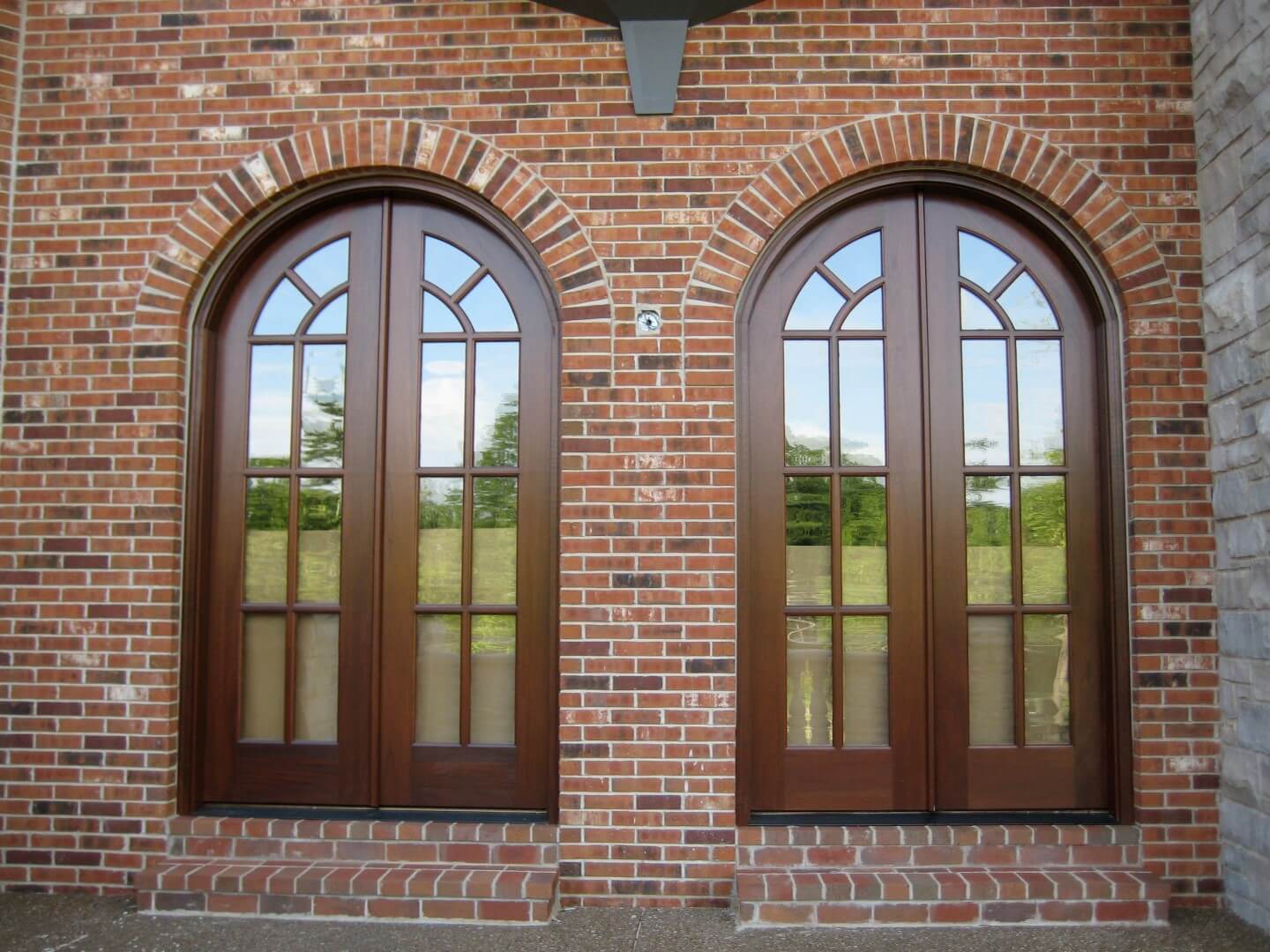
Yes. Purpose-built door systems are measured and engineered to the actual opening, including arched tops, oversized frames, and period-accurate profiles for historic homes and buildings. This is one of the clearest differences between a fully custom door and a modified stock size.
Is it better to refinish an existing door or replace it?
It depends on the door’s structural condition. If the wood is sound and the issue is finish, hardware wear, or minor checking, refinishing typically restores performance and appearance at a lower cost than replacement. If there’s rot, significant warping, or failed joinery, replacement is usually the more reliable long-term option.
What wood species hold up best in St. Louis weather?
Species selection depends on the door’s exposure and the home’s style, but premium hardwoods like Sapele, Mahogany, Oak, Walnut, and Accoya are commonly selected for their grain consistency, stability, and resistance to the humidity and temperature swings typical of Midwest weather.
Does a custom door provider also handle installation?
It varies by provider. Some sell the door only and leave installation to a separate contractor, which can create coordination gaps. Working with a provider that manages design, fabrication, delivery, and installation as one process, like Scobis, reduces the risk of misalignment between what was designed and what gets built on site.
How do I know if a custom door supplier is reliable?
Look for a company with a physical, local workshop, a project history you can see, and a process that keeps the same team involved from consultation through installation. A provider willing to walk through their process step by step, rather than just quoting a price, is generally a good sign they’re set up to stand behind the work.