
How Much Does a Custom Wood Door Cost in St. Louis (2026)
Many of the front doors we replace are worn-out stock doors made of steel, fiberglass, or thin wood veneer over a filler core. Once they dent, fade or peel, there is little left to repair. Other times the door is sound, but its design doesn’t match the house and does nothing for curb appeal. In both cases we build a new door that fits the architecture.
A custom wood door costs more up front, and we want you to know exactly why. Below we show reference prices for St. Louis in 2026, where each dollar goes, what 100% solid wood gives you that a stock door can’t, and how to read a custom door quote line by line.
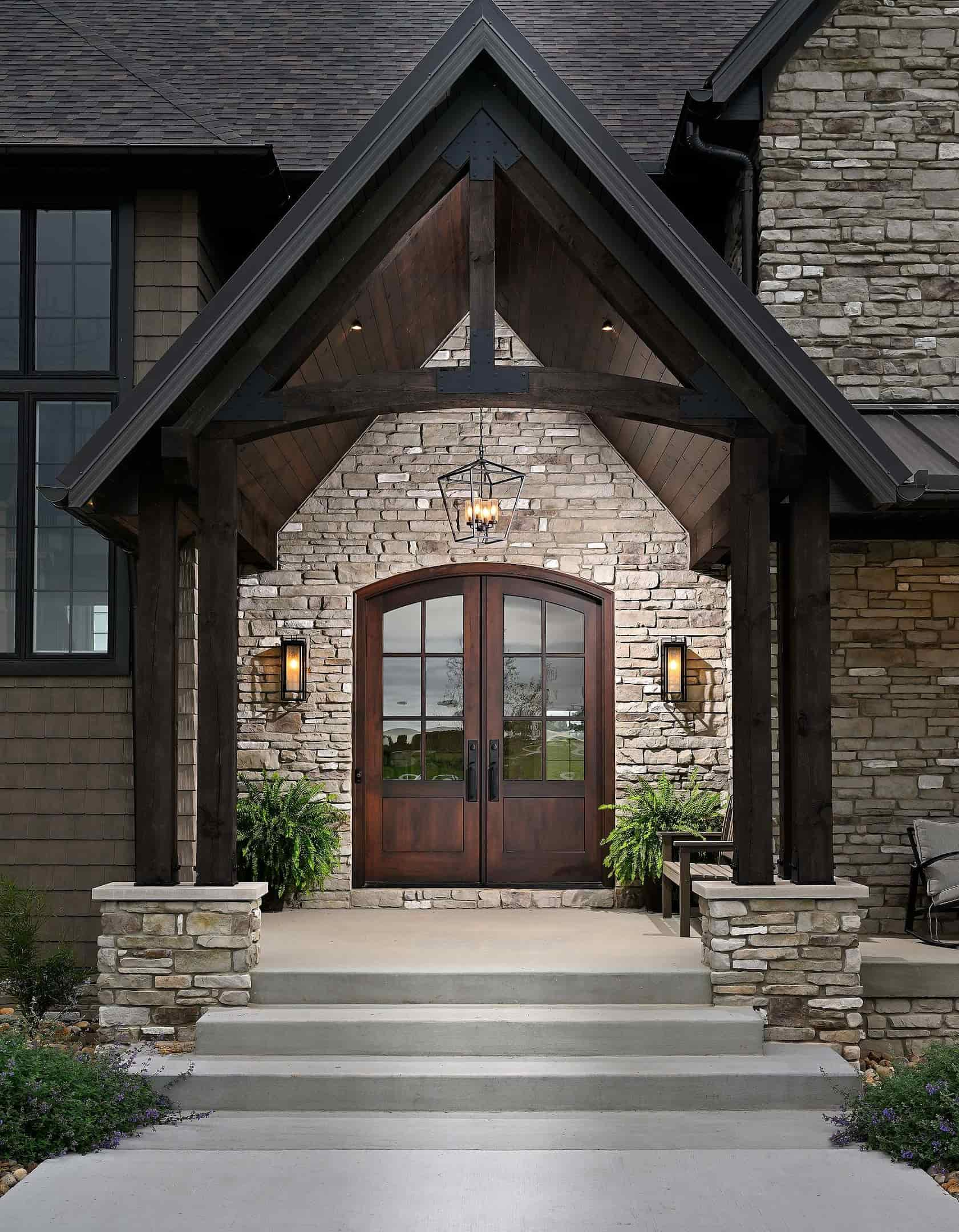
How a custom wood door is priced
Your front door is one of the most exposed elements of your home or building. Sun, moisture, temperature shifts, and daily use take a constant toll, and without proper maintenance even the highest-quality wood doors will fade, crack, or fail prematurely.
Interior woodwork wears differently. Handling, cleaning, and light slowly dull the finish on doors, furniture, handrails, and trim until the piece no longer looks like it belongs in the room.
Our refinishing is a structured process designed to restore material integrity, preserve design intent, and ensure long-term performance.
1. Start with a reference range
These ranges come from our own estimating. They are not quotes. Use them to plan a budget, then ask us for a price on your opening.
Pro tip. Ask whether a number covers the slab, the prehung unit, or the door installed and finished. Those are three very different prices.
| Door project (St. Louis, 2026) | Typical installed range | What usually drives it |
|---|---|---|
|
Custom interior door, single
|
$3,000 to $6,500 | Species, paint vs stain grade, panel count |
|
Custom exterior entry door, single, prehung
|
$8,000 to $15,000 | Species, glass, multipoint lock, finish |
|
Entry door with sidelights or transom
|
$15,000 to $22,000 | Extra units, matching glass, wider frame |
|
Double entry, arched top, or historic replica
|
$22,000 to $35,000+ | Curved work, custom glass, opening repair, approvals |
These are reference ranges, not quotes. Your price depends on your opening, species, glass, hardware and finish. Ask us for a quote on your door.
2. See how the quote is structured
A custom door is not pulled off a shelf. Each step below is labor or material you can see in the finished door.
- Design and drawings. We measure the opening, match your trim and the era of the house, and draw the door before any wood is cut.
- Lumber. Kiln-dried hardwood, picked for straight grain and color match. Stain-grade boards cost more because knots and color streaks show through.
- Milling and joinery. Stiles, rails and panels are cut and joined with mortise and tenon joints, the joint that holds a heavy door square for decades.
- Glass. Insulated, textured or leaded glass adds both material and fitting time, more so when sidelights and transoms must match.
- Finish. Several coats on all six faces, so the door stays sealed through humid summers and dry winters.
- Hardware and installation. Heavy ball-bearing hinges, a multipoint lock if you want one, then hanging, sealing and adjusting the door in your opening.
For contrast, a stock steel entry door replacement averaged $2,435 nationally in the 2025 Cost vs Value Report. That buys a standard 3-0 by 6-8 unit from a factory line. It skips every step above.
3. Know what 100% solid wood gives you
| Feature | Stock door | Custom solid wood door |
|---|---|---|
|
Construction
|
Often veneer over an engineered core, steel or fiberglass | Solid hardwood stiles, rails and panels with mortise and tenon joints |
|
Fit
|
Set widths like 32, 34 and 36 inches, 80 inches tall | Built to your opening, including 8 foot, arched or out-of-square |
|
Thickness
|
1-3/4 inch exterior | 1-3/4 inch, or 2-1/4 inch on tall or heavy doors |
|
Damage
|
Dents and skins are hard to fix | Dings sand out and the door can be refinished many times |
|
Design
|
Picked from a catalog | Matches your trim, era and architecture |
|
Feel
|
Lighter, hollow sound | Heavy, solid swing and a quiet close |
Solid wood can be repaired instead of replaced. A worn finish gets sanded and recoated, and the door keeps going.
Why it works. Solid wood can be repaired instead of replaced. A worn finish gets sanded and recoated, a damaged panel can be fixed, and the door keeps going. You pay for the door once.
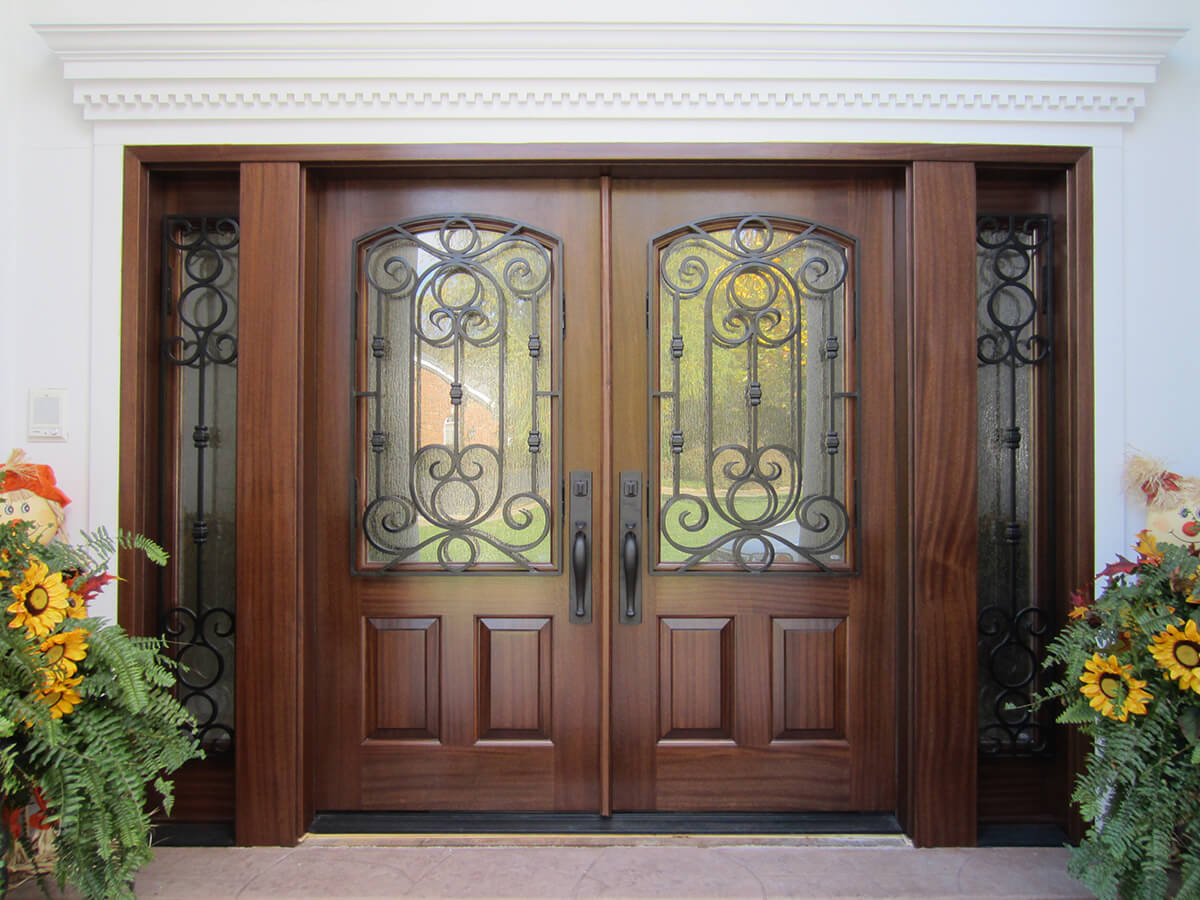
4. Factor in what St. Louis homes add
Old openings are rarely standard. We often find frames out of square by 1/2 inch or more, rotted sills and brick openings no catalog size fits. Each one adds labor, and each one is a reason a stock door never sits right.
- Historic districts. In a city historic district or on a City Landmark, door changes sometimes need approval from the Cultural Resources Office. A replica of the original takes more drawing and milling.
- Lead paint. In homes built before 1978, the EPA lead rule requires a certified firm once work disturbs more than 20 square feet of painted surface outside or 6 square feet per room inside. A complete quote includes containment and cleanup.
- Climate. St. Louis runs from about 23°F January lows to 88°F July highs, with roughly 41 inches of rain a year (Illinois State Climatologist normals). Wood swells in humid summers and shrinks in heated winters, so we use kiln-dried stock and seal all six faces.
Before you swing a hammer. If your house is in a historic district, call the Cultural Resources Office before you order anything.
5. Read your quote line by line
A good custom door quote shows you what you are paying for.
- Is it itemized? Door, frame, glass, hardware, finish, installation and trim should each show.
- Does it name the species and thickness? “Hardwood” is not a spec.
- Is the finish included? An unfinished exterior door is not done. Ask how many coats and on which faces.
- Does it cover the opening? Rot repair, threshold and flashing are often where a low quote cuts corners.
- Is the warranty in writing? Ours is one year on materials and workmanship.
So is a $28,000 door quote too high? For a single 36 by 80 inch door with no glass in a sound frame, it is above our reference range. For a mahogany double door with sidelights, an arched transom, custom glass and a rebuilt historic opening, it sits right in it. The scope decides, not the number. A door drawn for your house and built from solid hardwood will always cost more than a stock door, and it is built so you don’t have to replace it.
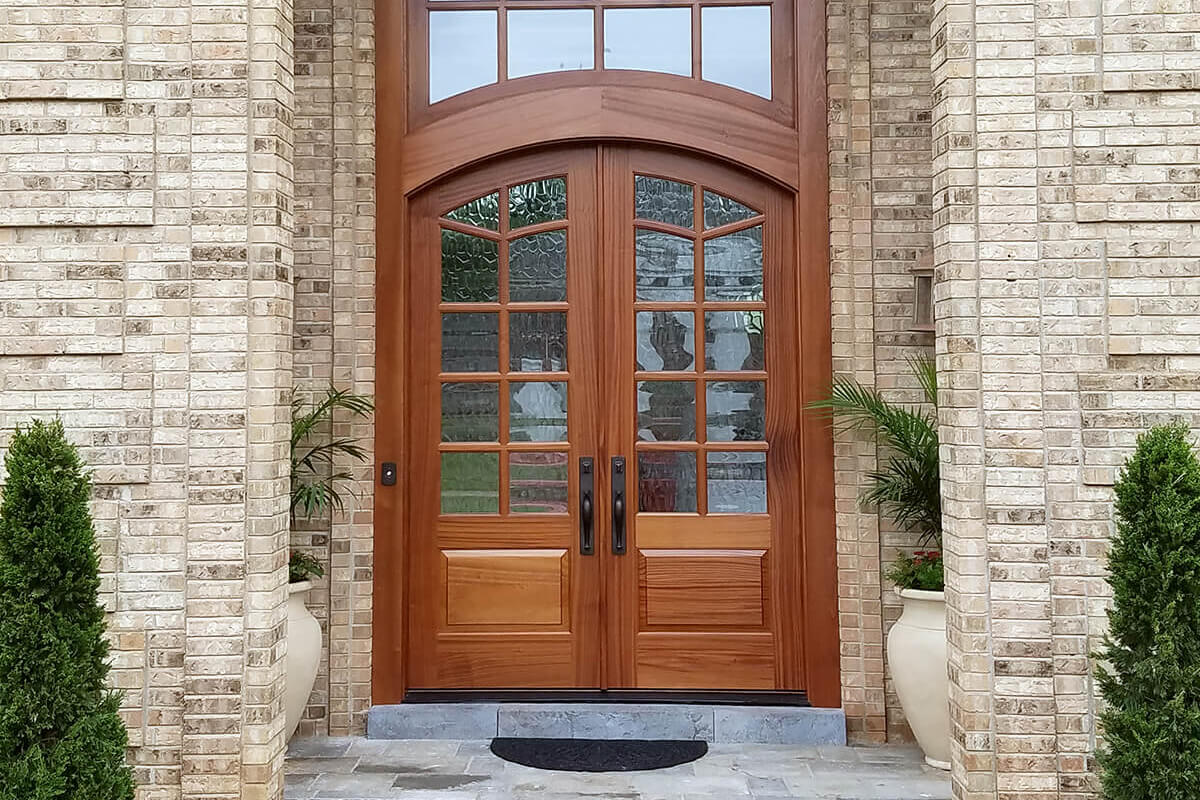
Which door fits your situation?
| Situation | What we recommend | Why it works |
|---|---|---|
|
Tighter budget, standard 36 x 80 opening
|
A paint-grade custom door with simple panels | You still get solid wood and real joinery. Simple panels keep milling time down. |
|
Older home with an odd-size or out-of-square opening
|
A door built to the opening, with a new frame if the old one is failing | Cutting a stock door down weakens its stiles. A built door fits the opening you have. |
|
Home in a city historic district
|
A replica of the original panel layout, profile and glass | It speeds review and keeps the facade intact. |
|
South or west entry with little overhang
|
Mahogany or sapele with a full exterior finish, plus a storm door or overhang if possible | Sun and rain break down finishes fastest here. |
|
Busy family entry with kids and pets
|
1-3/4 inch solid door, kick plate, heavy ball-bearing hinges | Solid wood can be patched and refinished instead of replaced. |
|
Formal entry, 8 foot or taller
|
2-1/4 inch door, sidelights or transom, multipoint lock | A thicker door stays flat over the height. The lock pulls it tight at three points. |
Whatever the situation, we seal all six faces of the door before it goes in. That keeps it stable through humid St. Louis summers and dry, heated winters.
Looking for a custom wood door quote?
Send your specifications, images and your project, and our experts will guide you through the process.
Which wood we use where, and why
For exterior doors we most often build in mahogany or sapele. Both are stable, hold a finish well and handle our wet springs and humid summers. For the most exposed entries we also offer Accoya, a modified wood made for outdoor stability.
White oak heartwood has good decay resistance according to the USDA Forest Products Laboratory Wood Handbook, so we use it on covered entries and hard-wearing doors. Red oak is better kept inside. Indoors, species is mostly about looks. Walnut and cherry suit stained rooms, maple suits painted doors, alder reads rustic and ash reads modern. Paint hides grain, so a painted door never needs the priciest wood.
DIY or hire a pro
Rule of thumb. If the job touches the weather seal, the frame or the lock, hire a pro.
Safe to DIY. Measuring and photographing the opening, choosing hardware, and yearly cleaning and topcoat touch-ups.
Needs a pro. Hanging an exterior door, setting the threshold and flashing, frame repair, historic district work, and paint disturbance in a pre-1978 home. A solid exterior door can top 100 pounds, and 1/8 inch of sag becomes a sticking latch by winter.
Where to spend. The door, the exterior finish and the installation.
Where to save. A simpler panel layout, plain glass, a paint-grade species on a painted door, and hardware you can upgrade later.
The ranges above are estimates. Your opening and your house set the real price. Send us photos and rough sizes, and we will tell you what it takes to build a door that lasts. Tell us about your project.
FAQs: Custom Wood Doors Pricing
How much does a custom wood door cost in St. Louis?
As a 2026 reference, a custom interior door runs about $3,000 to $6,500 installed, and a custom single exterior entry door about $8,000 to $15,000. Entries with sidelights or a transom run about $15,000 to $22,000, and double, arched or historic replica entries $22,000 to $35,000 or more. These are estimates, not quotes, so ask a local shop like Scobis for a price on your opening.
Is a $28,000 door replacement quote too high?
It depends on the scope. For a single standard door with no glass in a sound frame, $28,000 is above typical custom pricing. For a solid mahogany double entry with sidelights, an arched transom, custom glass and a rebuilt opening, it falls within the normal range, as long as the quote is itemized.
Why does a custom wood door cost more than a stock door?
A custom door is drawn, milled, assembled and finished for one opening, using solid hardwood and traditional joinery. A stock door is mass-produced in set sizes, often with a steel, fiberglass or veneer skin. You pay more up front for a door that fits exactly and can be repaired and refinished for decades.
Is a solid wood door worth the extra cost?
For a home you plan to keep, usually yes. Solid wood can be sanded, repaired and refinished many times, while dented steel or worn veneer usually means buying a new door. A custom door also fits your opening and your architecture, which a catalog door cannot.
Do I need a permit to replace a front door in St. Louis?
In the City of St. Louis, replacing an exterior door usually needs no building permit when the opening is not changed. Homes in a city historic district or City Landmarks need approval for door changes. Suburban municipalities set their own rules, so check with yours.
How long does a custom wood door take?
At Scobis, most custom doors take 8 to 12 weeks from approved drawings to delivery. Species, glass and design complexity move that window. Historic district review, if needed, adds time before we start.
Contact Our Team!