Should You Restore or Replicate Your Historic Doors
If you own an older home in St. Louis, the front door eventually starts showing its age. It sticks every August, the finish fades to gray, a panel cracks, or the bottom rail goes soft where rain hits it. Then comes the real question: can the door be saved, or does it need to be replaced with a copy?
Most advice treats these as two separate jobs. Restoration specialists save originals, and millwork shops build new doors. At Scobis we do both under one roof in St. Louis, so we don’t have a reason to push you one way. Our rule is simple: if a door can be saved, we restore it. Replication is for doors that are missing or too far gone to keep.
Should you restore or replicate a historic door?
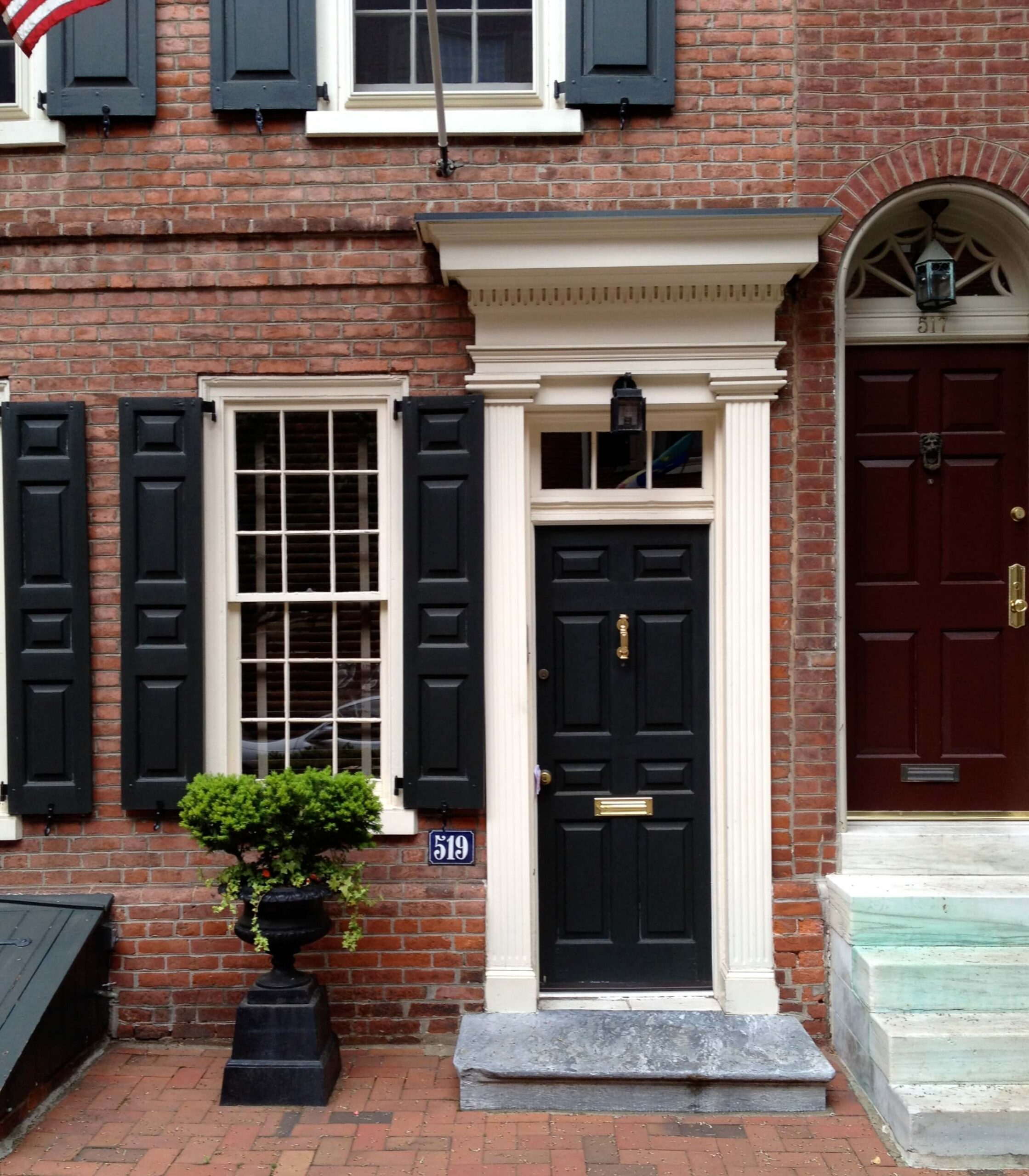
Restore the door if the damaged areas can be repaired and the door can work reliably again without rebuilding most of it. Replicate it if so much of the original has deteriorated that you’d end up building a new door around a few old pieces. In that case, an accurately documented replica is the better choice.
A worn finish alone never means a door needs replacing. Damage in one area doesn’t condemn the whole door either. The decision depends on what is happening inside the wood, not on how the door looks from the sidewalk.
How do you know if an old wood door can be saved?
When we assess a historic door, we look at more than the surface. The questions that usually settle it are:
- Rot and moisture: Is the rot limited to one spot, or has it reached the rails, stiles and joints that hold the door together? And what caused it? Fixing the rot without fixing the water source only buys time.
- Joinery: Are the joints sound, loose but repairable, or failed?
- Fit and operation: Is the door itself warped, or is the real problem the frame, hinges or threshold?
- Many doors that drag or leak only need new ball-bearing hinges, fresh weatherstripping and an adjustment.
- Veneer and past sanding: Solid wood can be stripped and refinished much further than veneer.
- Every previous sanding also removes material that can’t be put back.
- Original detail: How much of the moulding, carving and panel layout survives?
- Past repairs: Have earlier patches, fillers or hardware changes weakened the door?
Looking for a custom wood door?
Send your specifications, images and your project, and our experts will guide you through the process.
What does restoring a historic door actually involve?
Restoration can be a light refresh or a full rebuild of the finish. We generally work at two levels.
What is the difference between a refresh and a full restoration?
A Level 2 restoration refreshes the existing finish without fully stripping it. The color stays the same or goes slightly darker. It’s a good fit for a door that is structurally sound and only weathered on the surface.
A Level 3 restoration is a full restoration. The door usually comes back to our shop, where it is stripped (including laser stripping when it suits the wood) and refinished in a controlled environment. While the door is gone, the entry is securely boarded up. Damaged panels can be repaired or rebuilt in the shop, so one bad panel doesn’t mean losing the whole door.
What happens when the door turns out to be in worse shape?
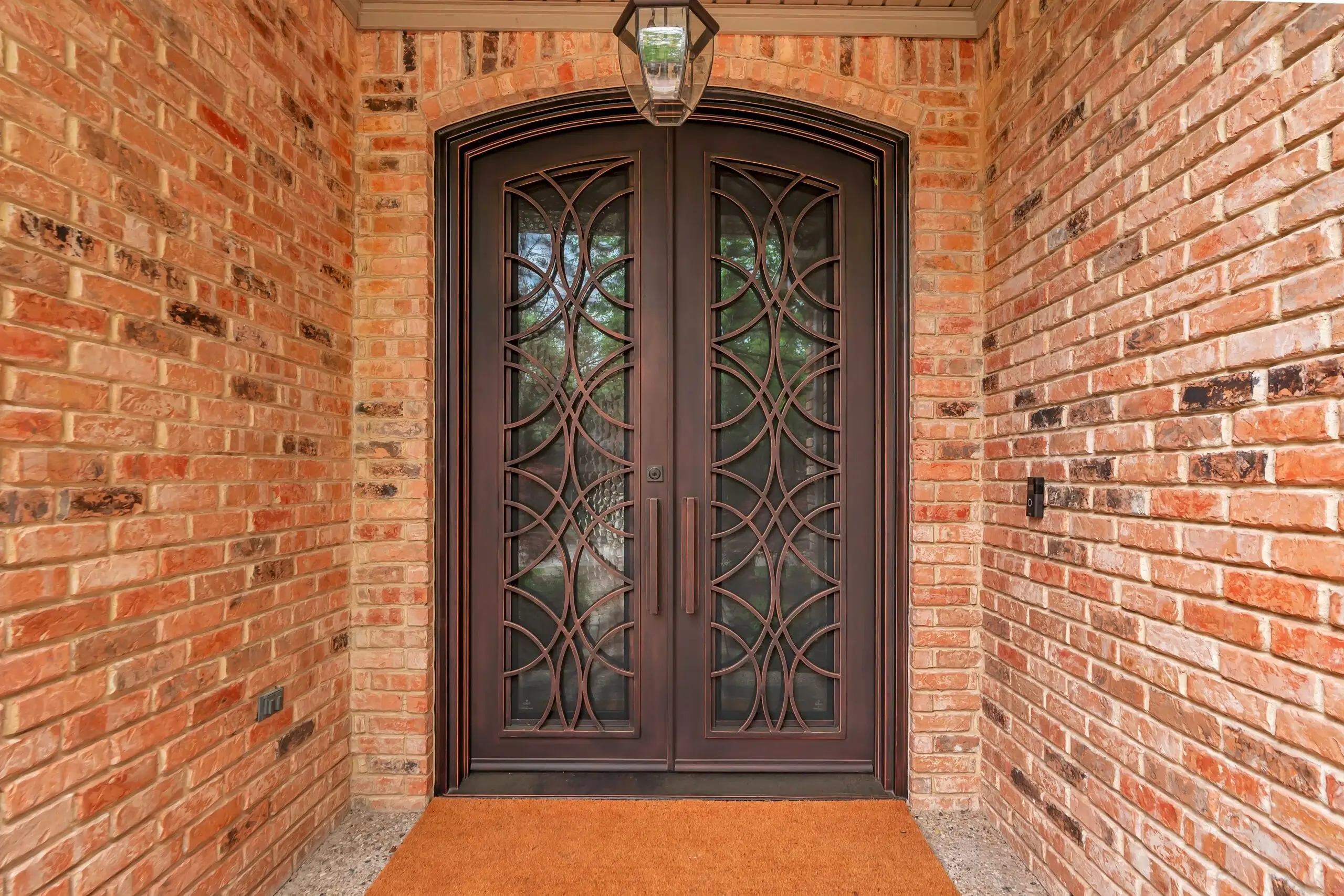
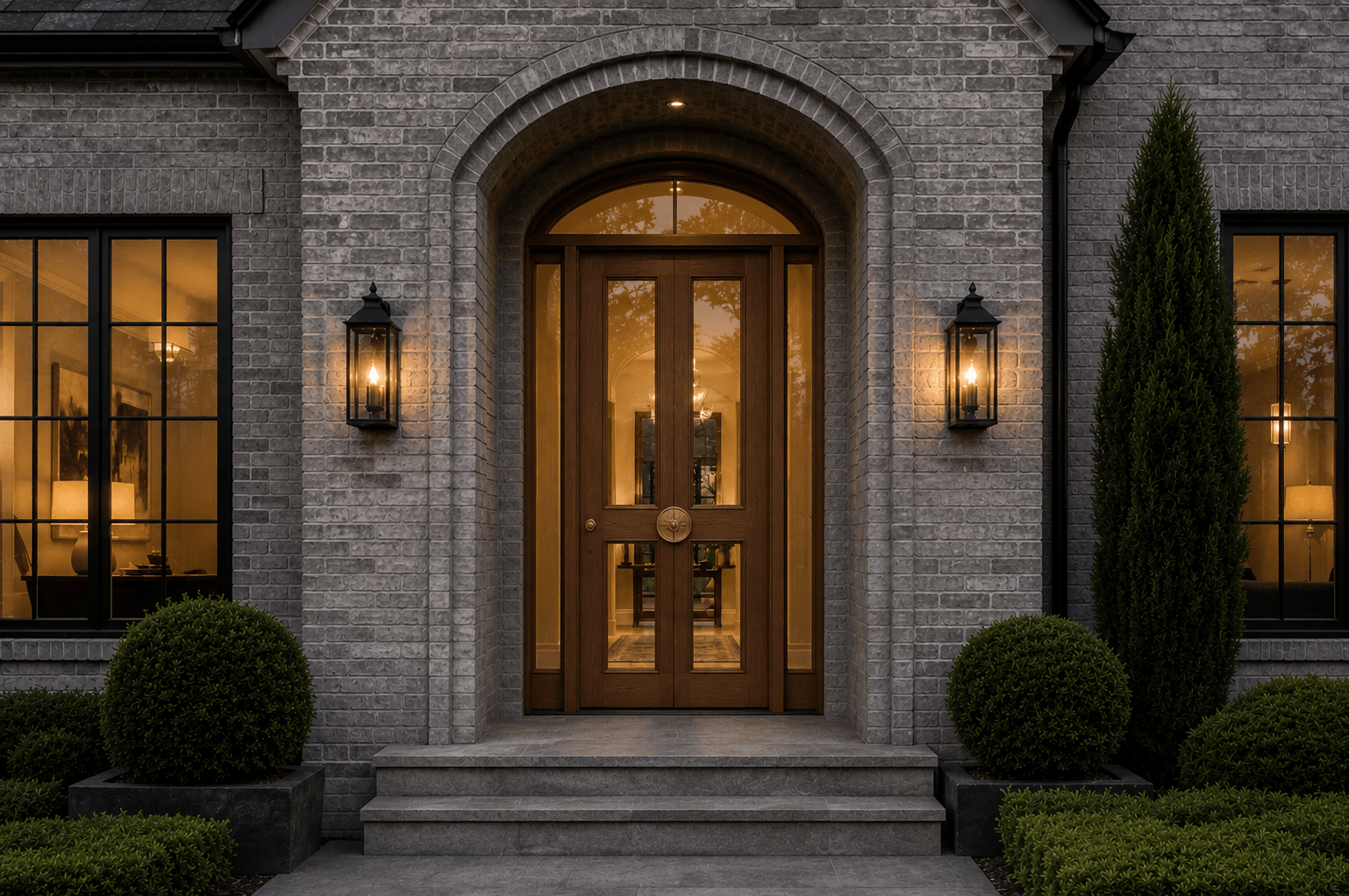
Old doors don’t always reveal everything until work starts. On a recent pair of arched double entry doors in west St. Louis County, the doors were more weathered than they first looked and appeared to be veneered.
That limited how far we could strip them. Instead of chasing a lighter color and risking cutting through the veneer, we brought the doors, jamb and brickmould to one even tone matching the existing color, then finished them with three coats of premium topcoat. Knowing when to stop is part of restoring a door well.
When does replicating a historic door make more sense?
Replication makes sense when the original has failed structurally or is missing, or when the door has to perform in a way the original no longer can.
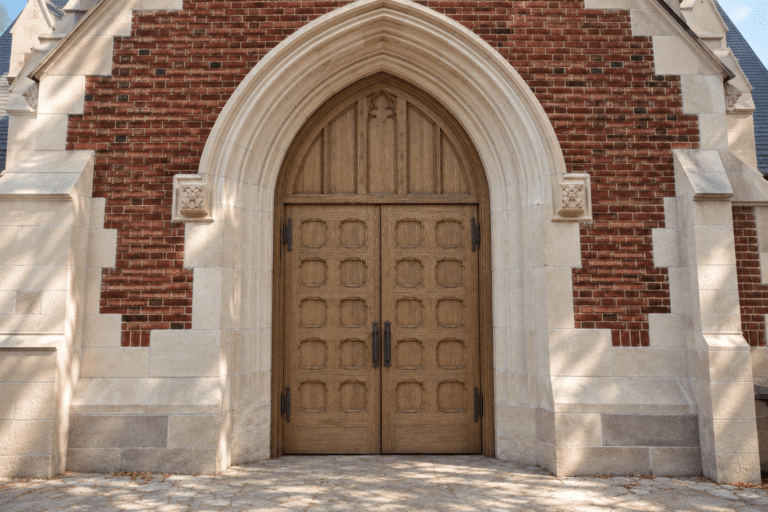
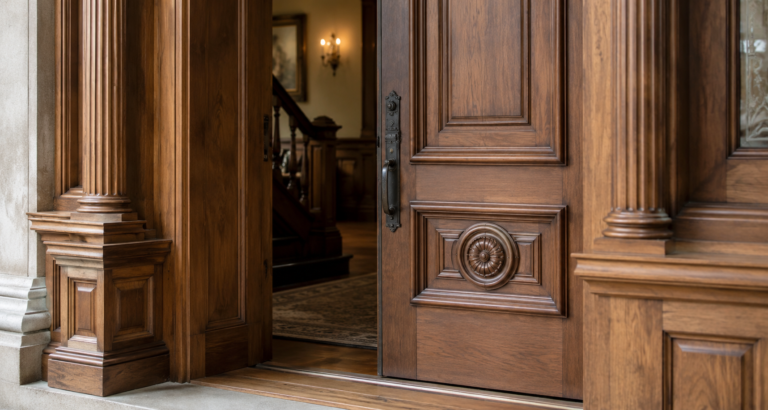
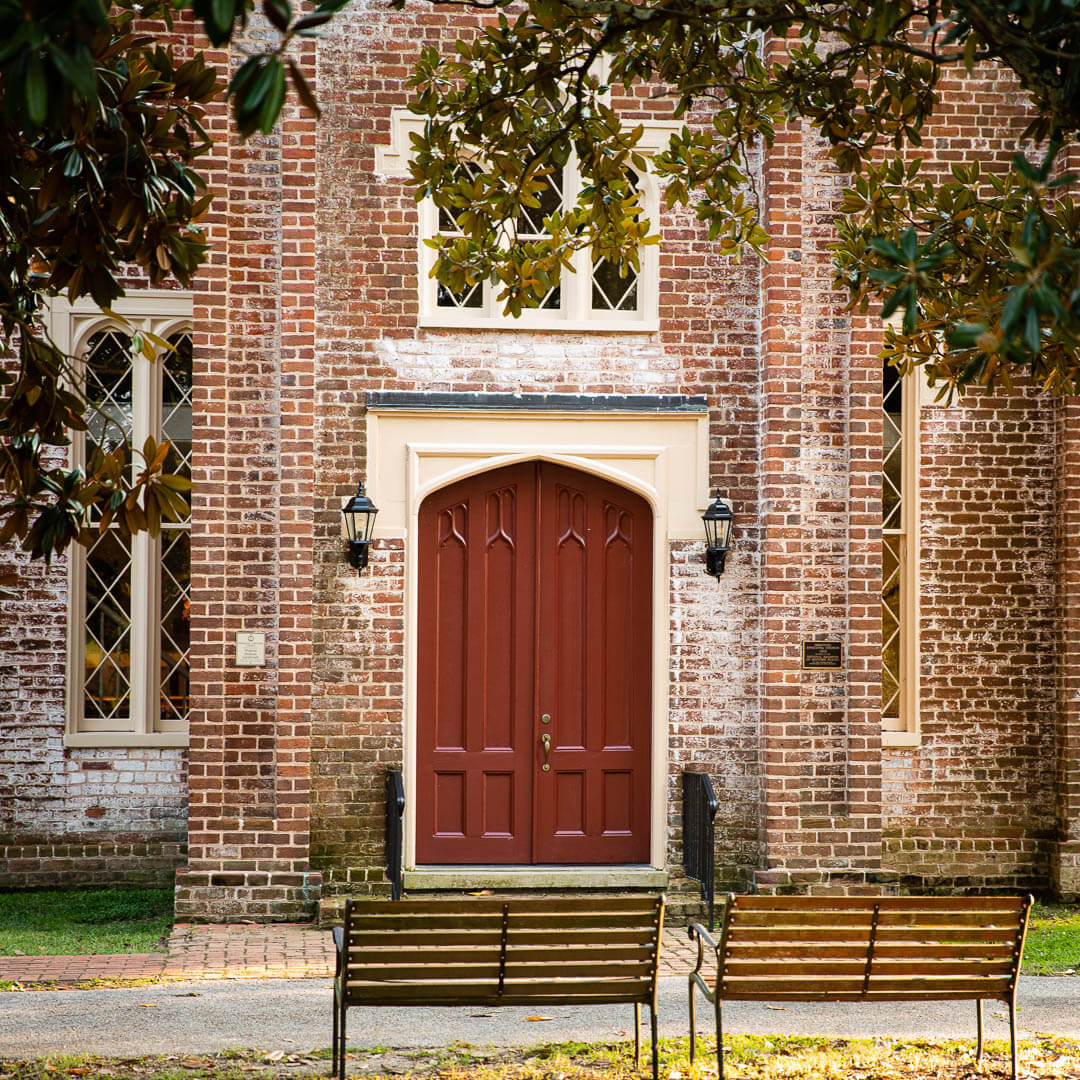
For a 1929 Tudor Gothic university library in the St. Louis area, the original carved double doors had almost a century of weather, wear and earlier repairs behind them. We removed and documented an original door, 3D-scanned its carved medallions and mouldings, and drew every profile. We then built new doors in stained white oak for the main entry and two vestibule doors. The surrounding jamb, trim and transom were refinished, not replaced.
One detail shows how replication can respect the original: antique-style hinges were kept for the historic look, while a full-height concealed hinge carries the weight of the new doors.
The most important step in any replica is to document the original before it’s removed. Once the old door is gone, the best reference for an accurate copy is gone with it.
Can you restore part of a door and replace the rest?
Yes, and often that’s the best answer. You might restore the door and replace one damaged component. Or you might replicate the door and keep the original surround.
On one recent St. Louis County project, we built a pair of Sapele mahogany entry doors to match the client’s existing design. The original decorative iron scrollwork was refinished and reused, the existing hinges went back on, and new clear tempered insulated glass was fitted. The original door surround was stripped and repainted separately. The house got doors that will last, and the pieces that gave the entry its character stayed.
The same thinking applies beyond doors. At Christ Lutheran Church in Webster Groves, we restored about 40 original oak pews from the 1942 sanctuary. We repaired loose joinery and worn mounting hardware and matched the finish to the surrounding woodwork. We worked in batches so the congregation could keep using the space.
What can go wrong if you hire the wrong kind of shop?
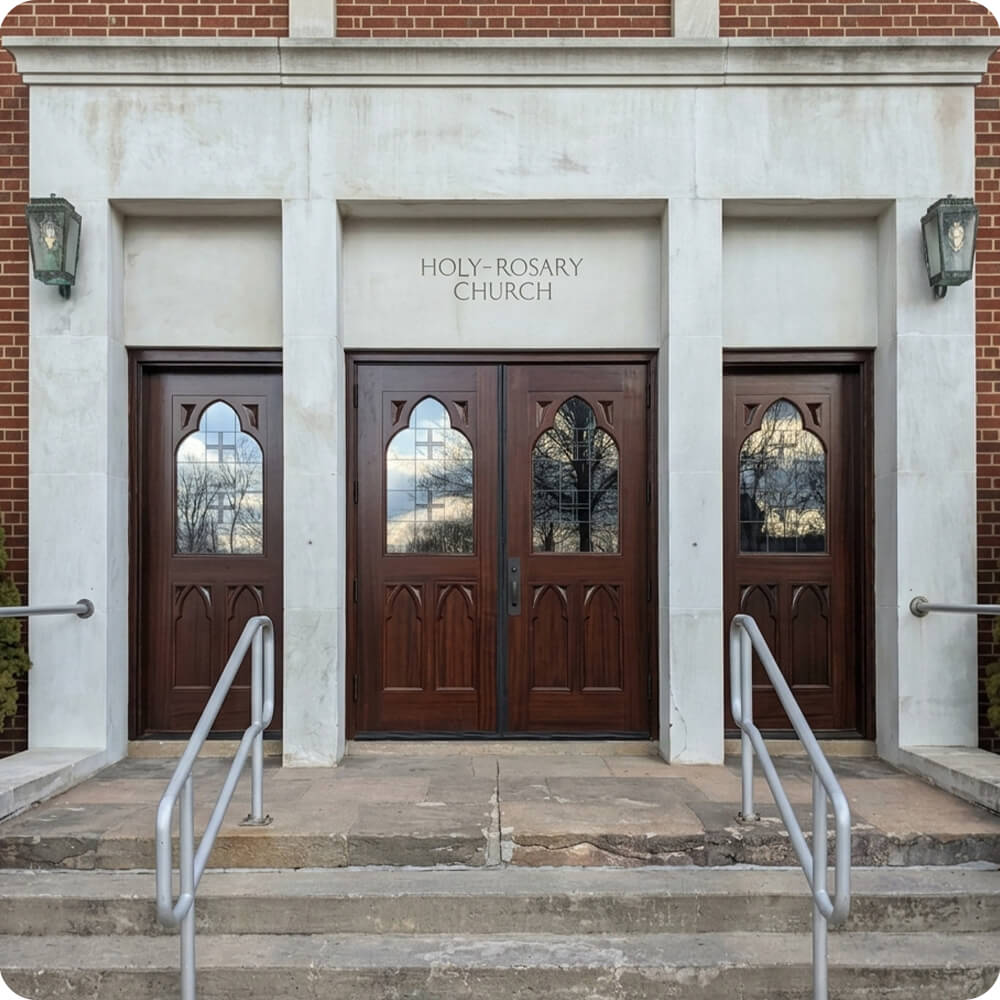
Most problems come from a shop applying the only process it offers. Here’s what to watch for:
- Over-sanding that softens profiles, removes carved detail or cuts through veneer
- A refinish that looks great but leaves loose joints, rot or the moisture problem untouched
- A replacement that looks roughly right but misses the panel proportions, moulding depth, grain or glass layout
- Removing the original without documenting it first
Is restoring a door cheaper than replacing it?
Not automatically. Heavy weathering, veneer, carving or undoing old repairs can add a lot of labor. One recent full restoration was estimated at 24 to 32 hours and grew to around 80 once the door was opened up. A replica with unusual dimensions, carving or special glazing is a significant investment too.
The fair comparison is between two complete scopes: what each option preserves, what it costs, how it will perform and what maintenance it will need afterward.
Looking for a custom wood door?
Send your specifications, images and your project, and our experts will guide you through the process.
Do you need approval to replace a door in a St. Louis historic district?
In St. Louis City Historic Districts, exterior work generally requires a permit reviewed by the Cultural Resources Office, and door replacement is specifically included. Standards vary from district to district, so check the rules for your neighborhood before committing to replacement.
If your project uses Missouri historic tax credits, the work must meet the Secretary of the Interior’s Standards for Rehabilitation. Those standards favor keeping repairable original features. The state also advises waiting for signed approval of the scope before any demolition or construction begins.
When replacement is justified, a strong review package shows the deterioration, explains why repair isn’t enough, and documents the proposed dimensions, profiles, materials and finish. Our shop drawings and profile documentation are prepared for exactly this kind of review.
FAQs: Restore or Replicate Historic Doors
Who restores historic wood doors in St. Louis?
Scobis restores and replicates historic wood doors and architectural woodwork for homes, churches and institutions across St. Louis and Missouri, from on-site assessment through shop restoration, custom replicas and finishing.
Can a veneered door be stripped and refinished?
Often, yes. Original hinges and decorative iron scrollwork can be refinished and installed on a replica, and concealed modern hinges can carry the weight behind them.
Does a historic door have to come out of the house to be restored?
For a full restoration, it usually comes to the shop for stripping and refinishing in a controlled environment, while the opening is securely boarded up.
How do I know whether my door needs restoring or replacing?
Have the door assessed for rot, joinery, fit, veneer and past repairs. If the damage is repairable and the door can work reliably again, restore it.
Contact Our Team!
More articles like this
What to Expect When We Measure for Replacement Doors
Read article →
How to Match Wood Doors in a Historic Renovation
Read article →